
Plants
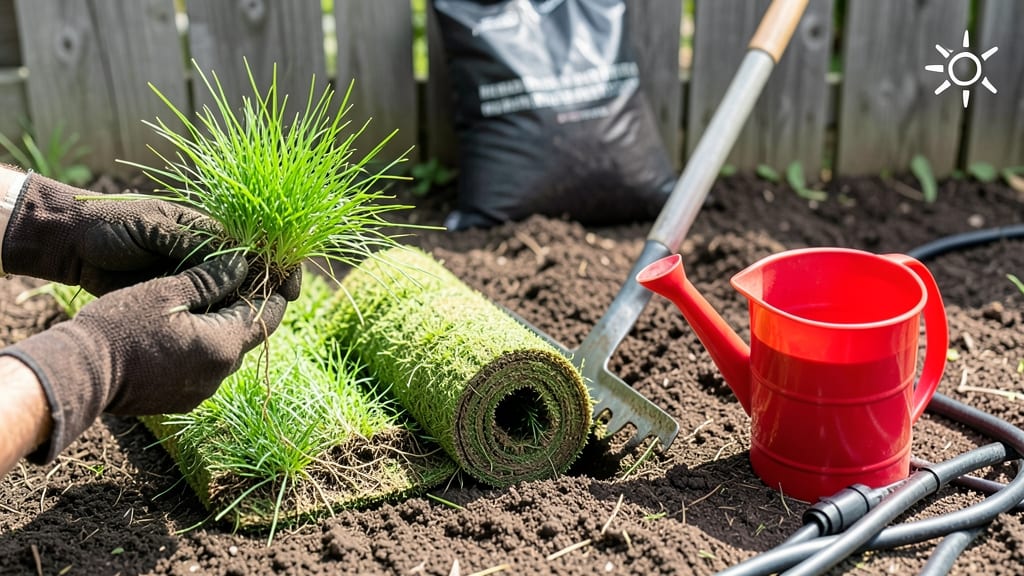
Timing your Bermuda grass planting in California could mean the difference between a vibrant lawn and one that struggles to take hold. With USDA zones 8-10 across the state, coastal fog and inland heat zones create wildly different conditions—so getting the window right is everything.
Most gardeners know spring is ideal, but did you realize early fall (August-September) often works better in Southern California? The key is planting when soil temperatures hit 65°F+, avoiding both frost risks and scorching summer heat. Let’s break down exactly when to start in your specific county heat zone.
Whether you’re in coastal San Diego (zone 9b-10a) or the Central Valley (zone 8b-9a), microclimates shift optimal planting dates by weeks. We’ll cover how to test soil readiness and adjust for elevation—so you can plant with confidence, not guesswork.
Ready to transform your lawn? I’ll walk you through the perfect planting schedule, variety recommendations, and care tips tailored to California’s diverse climate. Let’s get that 🌱 Bermuda grass thriving year-round.
California Bermuda grass planting calendar by heat zone (USDA 8-11)
California’s diverse climate means Bermuda grass planting windows vary dramatically from coastal San Diego to inland Sacramento. The key factor? Soil temperature—seedlings need consistent 65°F+ soil to germinate successfully. Plant too early in cooler zones, and your grass may rot; too late, and summer heat stress weakens establishment.
Most California counties fall within USDA Zones 8-11, but microclimates create 30-day differences in optimal planting. Coastal areas (like Monterey) can plant 4-6 weeks earlier than inland valleys (like Fresno) due to milder temperatures. Let’s break down the exact planting windows by region.
| Region | USDA Zone | Spring Planting Window | Fall Planting Window | Soil Temp Threshold |
|---|---|---|---|---|
| Northern CA (Sacramento, Redding) | 8b-9a | April 15 – May 15 | August 1 – September 1 | 65°F+ |
| Central CA (San Francisco Bay, Monterey) | 9a-9b | March 20 – April 30 | July 15 – August 15 | 65°F+ |
| Southern CA (Los Angeles, San Diego) | 10a-11 | February 15 – March 31 | June 1 – July 15 | 68°F+ |
| Desert (Palm Springs, Coachella) | 9b-10a | March 1 – April 15 | July 1 – August 1 | 70°F+ |
Notice how Southern California’s window starts in February, while Northern California waits until April? This reflects the 10°F+ temperature difference between coastal and inland zones. Even within cities, urban heat islands can shift planting by 1-2 weeks—always check your exact microclimate.
For spring planting, aim to establish roots before summer heat peaks (typically June-August in most regions). This means Northern CA should finish planting by May 15, while Southern CA can extend to March 31 without risking heat stress. Fall planting is trickier—too late, and frost may damage seedlings.
Pro tip: Use a soil thermometer to confirm readiness. Bermuda grass won’t germinate below 55°F, but 65°F+ is ideal. Coastal fog can delay warming, so monitor local weather patterns closely. In desert regions, wait until 70°F+ to avoid seed dehydration.
If you’re in transition zones (like Santa Barbara or Fresnolater side of the window. Overheating soil can kill seedlings before germination. For sod installation, adjust by 2-4 weeks earlier—sod establishes faster than seed.
One common mistake? Planting in summer heat. Bermuda grass is heat-loving, but new seedlings can’t handle 90°F+ soil. Wait until evening soil temps drop below 85°F before planting in late summer/fall. Use shade cloth for the first 2 weeks if planting in July-August.
For coastal gardeners, watch for marine layer delays. San Francisco’s foggy mornings can keep soil 10°F cooler than inland areas. Plant 2 weeks later than inland zones if your yard stays foggy past 10 AM daily. Desert plantings should avoid June planting—intense heat and dry
How to adjust planting timing for your county’s microclimate
California’s diverse microclimates mean a 3-week difference in ideal planting windows between coastal Santa Barbara and inland Fresno. Elevation, fog patterns, and urban heat islands all shift when your Bermuda grass should hit the soil.
For example, coastal areas like San Francisco (USDA Zone 9b) can plant as early as mid-March, while high-desert regions like Bishop (Zone 7b) should wait until late April.
A simple soil thermometer check is your best tool—wait until soil temps hit 65°F+ at 4-inch depth. Coastal morning fog can delay warming, so test daily in April.
Inland areas often warm faster, so monitor weekly starting in March. Remember, overheated soil (above 85°F) stresses seedlings, so avoid summer planting entirely.
Cities like Los Angeles and Sacramento can be 10°F+ hotter than rural areas. Plant 2-3 weeks later than county averages if your yard is paved-heavy or surrounded by buildings. Test soil temps in shaded vs. sunny spots—they’ll differ by 5°F+.
For mountainous regions like the Sierra foothills, aim for late May planting when valley heat rises. These areas experience frost risks until June 1, so delay until after the last 32°F night. Use a minimum thermometer to track nighttime temps—plant only when consecutive nights stay above 40°F.
Coastal fog belts (e.g., Big Sur, Monterey) create unique challenges. While inland areas bake by May, coastal zones may still have 50°F soil temps in June. Here, late April to early May is ideal. Watch for morning dew persistence—if it lingers past 10 AM, soil isn’t ready yet.
Don’t forget saltwater influence near the coast. Areas like San Diego’s beaches have higher soil salinity, which Bermuda grass tolerates but grows slower in. Amend soil with 2 inches of compost before planting to improve drainage and reduce salt stress.
Pro tip: Shade from coastal cliffs can create micro-zones where Bermuda grass struggles. If your yard has partial afternoon shade, plant Celebration variety—it handles 2 hours less sun better than standard types. Test shade patterns for 3 weeks before planting to map your yard’s true sun exposure.