
Plants
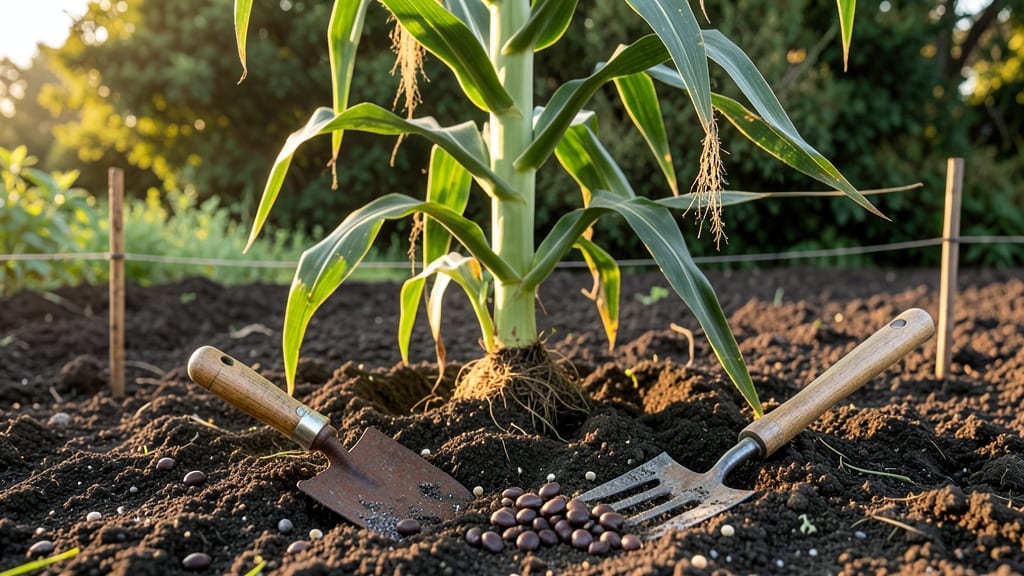
Timing your 🌽 corn planting in Northern California isn’t just about the calendar—it’s about dodging frost pockets and racing against the clock to harvest before fall chills set in.
With USDA zones 8a-9b offering everything from coastal fog to Central Valley heat, the mid-April to late May window becomes your golden opportunity—but only if you account for your specific microclimate.
Plant too early, and cold soil stunts your seedlings. Too late, and you’ll be racing against the first frost in November.
I’ll break down exactly when to plant for your exact location, whether you’re in the Bay Area’s cooler coastal strips or the toasty Sacramento Valley. Plus, we’ll cover how to pick the right varieties to avoid the heartbreak of half-ripened ears.
Ready to turn your garden into a cornucopia? Let’s get those seeds in the ground at the perfect moment—no guesswork, just guaranteed growth.
Northern California corn planting dates by microclimate zone (frost-free guarantee)
Northern California’s diverse microclimates create wildly different planting windows for corn. The coastal fog belt (think San Francisco Bay Area) can have late spring frosts even after inland areas have warmed, while the Central Valley (Sacramento/Stockton) often enjoys earlier soil warmth.
Always plant after your last average frost date—but don’t stop there. Soil temperature matters just as much as calendar dates.
For home gardeners, timing is everything. A 2-week delay between coastal and inland planting zones can mean the difference between healthy ears and frost-nipped stalks.
Use these guidelines to align your planting with your specific USDA Zone 8a–9b microclimate, ensuring your corn matures before fall frosts hit in November.
🌽 Critical Rule: Corn needs 60°F+ soil to germinate. Test with a soil thermometer—cold soil delays sprouting and invites rot. In cooler zones, wait until mid-May; in warmer inland areas, late April works.
If you’re in a borderline zone (like the North Bay or Santa Cruz Mountains), err on the side of late planting. A 2-week delay can save your crop from a single late frost.
For example, if your neighbors plant in early May and you’re unsure, wait until May 15—your corn may be smaller but will mature fully.
For large-scale farms, consider succession planting in the Central Valley. Plant short-season varieties in late April for a July harvest, then follow with medium-season varieties in early May for a September–October harvest. This stretches your growing season and maximizes yield before fall frosts.
Pro tip: Black plastic mulch raises soil temperature by 10–15°F, letting you plant 2–3 weeks earlier in cooler zones. Lay it down 1–2 weeks before planting to warm the soil. Pair it with drip irrigation to keep roots consistently moist during germination.
Always check your local frost dates using the Western Regional Climate Center’s frost maps. Even within the same city, valleys vs. hillsides can have 10-day differences in frost risk. When in doubt, plant late—you can’t rush corn growth, but you can outpace frost.
🌱 Key Takeaway: Your microclimate dictates your planting window. Coastal? Wait until mid-May. Central Valley? Go by late April. Sierra foothills? Early May is your sweet spot. Soil temperature > calendar date.
How to adjust planting dates for early vs. late corn varieties in Northern California
Northern California’s short growing season demands smart corn variety selection. Early-season varieties (80–90 days to maturity) like 'Early Sunglow' or 'Golden Bantam' are your best bet for coastal areas, while medium-season varieties (90–110 days) such as 'Silver Queen' thrive in the Central Valley’s longer summers.
For coastal regions (e.g., San Francisco Bay Area), plant early varieties between April 15–May 1 to avoid fall frosts. Inland areas like Sacramento can stretch planting to late May for medium-season types, ensuring harvests before November 15 frosts.
🌽 Soil temperature is non-negotiable: Wait until soil reaches 60°F (use a soil thermometer) before planting—cold soil stunts roots. Coastal soils warm slower, so start seeds indoors 4–6 weeks before outdoor planting dates.
🌽 Numbered Highlights: Variety Timing Guide
- Early Varieties (80–90 days): Plant April 15–May 1 (coastal) or May 1–15 (inland). Harvest by July 15.
- Medium Varieties (90–110 days): Plant May 1–31 (inland only). Harvest by October 1.
- Soil Prep: Warm soil to 60°F+ before planting. Use black plastic mulch to speed warming.
- Backup Plan: Keep row covers ready for late-season frosts in Sierra foothills.
- Variety Test: Try 'Peaches and Cream' (early) or 'Ambrosia' (medium) for local success.
If you’re in a borderline zone (e.g., Napa Valley), use the "50-day rule": Subtract your first frost date from your variety’s maturity days. If the result is less than 120 days, switch to an earlier variety or plant in containers for mobility.
For container growing, choose dwarf varieties like 'Little and Lovely' (60–70 days) and plant June 1–15—they’ll mature before fall frosts hit. Just ensure pots are 12+ inches deep and use fast-draining mix.
Pro tip: Succession plant every 2 weeks for continuous harvests. In July, sow very early varieties (e.g., 'Temptation') for a fall harvest before frost. Monitor USDA Zone 8a–9b frost alerts via local ag extensions.