
Plants
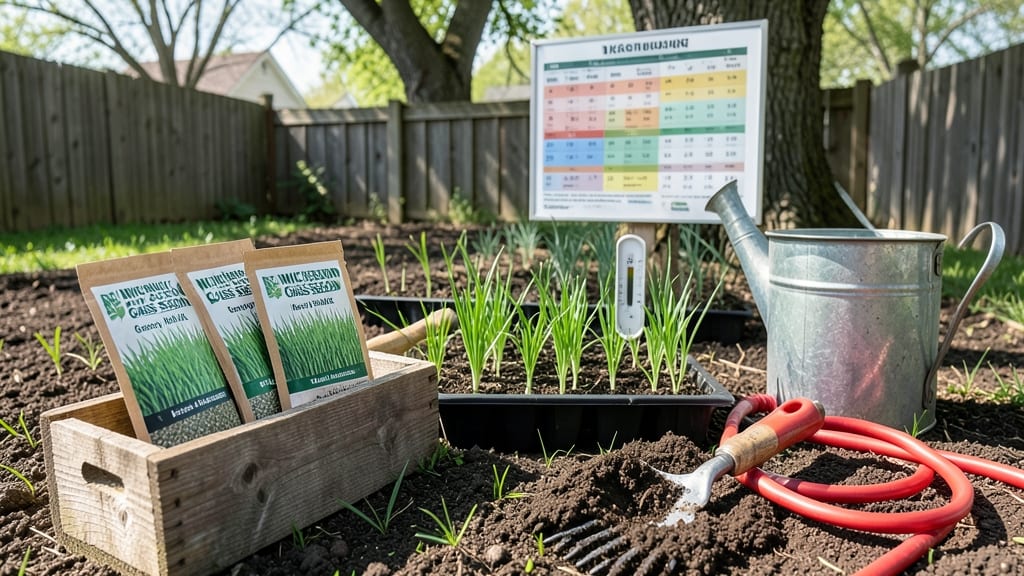
Planting grass seed in Michigan isn’t just about grabbing a bag and scattering it—it’s about timing it right to beat the state’s unpredictable weather and give your lawn the best shot at success.
With frost dates shifting from mid-April to early November, getting it wrong can mean thin patches or wasted effort, especially for cool-season 🌱 turfgrass like Kentucky bluegrass.
Most gardeners assume summer is the best time, but Michigan’s climate tells a different story. The ideal windows—early spring and fall—align with soil temperatures and rainfall patterns that help seeds germinate faster and roots establish deeper.
Whether you’re in the Upper Peninsula’s cooler 5b zone or Southern Michigan’s milder 6b, knowing when to plant makes all the difference.
Here’s the game-changer: Planting 4-6 weeks before the first frost (September-October) or 4-6 weeks after the last frost (April-May) gives your grass the best start. I’ll walk you through exactly how to prepare your soil, choose the right seed, and avoid common mistakes that derail even the most eager gardeners.
Ready to transform your lawn? Let’s dive into the step-by-step guide that’ll help you time it perfectly—no guesswork, just a lush, green result. Your Michigan lawn will thank you.
Michigan’s ideal grass seed planting windows: early spring vs. fall timing
Michigan’s cool-season climate (USDA Zones 5b-6b) means timing is everything for grass seed success. Most gardeners assume summer is best, but fall and early spring actually give your lawn the strongest start. The key? Planting when soil temps are 50–65°F—too hot or too cold stunts germination.
In Michigan, fall planting (September–October) is often superior because cooler air temps reduce stress on young grass while soil stays warm enough for root growth. Spring planting (March–April) works too, but you’ll race against weeds and summer heat. Let’s break down the science behind each window.
🌱
| Factor | Early Spring (March–April) | Fall (September–October) |
|---|---|---|
| Soil Temp | 50–60°F (ideal: 55°F) | 55–65°F (ideal: 60°F) |
| Frost Risk | High (last frost: mid-April) | Low (first frost: mid-October) |
| Weed Competition | Moderate (weeds wake early) | Low (cooler temps slow weeds) |
| Water Needs | High (spring rains vary) | Moderate (fall rains steady) |
| Establishment Time | 6–8 weeks (race summer heat) | 4–6 weeks (cooler stress) |
| Best For | Kentucky bluegrass, ryegrass mixes | Fescue, perennial ryegrass |
For spring planting, aim to finish by late April in southern Michigan or early May in the Upper Peninsula.
Use a warm-season cover crop (like buckwheat) if planting early to suppress weeds. Fall planting is more forgiving—seed can germinate slowly in cool but frost-free soil (test with a soil thermometer).
Michigan’s two distinct regions complicate timing. The Lower Peninsula (warmer) can plant 2–3 weeks earlier than the Upper Peninsula. Check your last/first frost dates (average: April 15–May 1 and October 15–November 1) and adjust. Pro tip: Plant 4–6 weeks before frost for a head start.
Most Michigan gardeners overlook seed type. Cool-season grasses (Kentucky bluegrass, tall fescue, perennial ryegrass) thrive in both windows, but warm-season grasses (like Bermuda) fail in fall. Stick to cool-season blends for year-round success. My personal favorite? A 60% fescue/40% bluegrass mix—it handles Michigan’s humidity and drought patches.
Don’t let summer planting fool you. Seed planted in June–August struggles with heat stress and dormancy risks. If you must plant late, use shade cloth and daily watering—but expect 50% lower success rates than spring/fall. The rule of thumb: No grass seed after July 15 in Michigan.
🌿
Ready to pick your window? Fall wins for most Michigan lawns, but spring works if you’re proactive about weed control and watering. Next, we’ll dive into soil prep—because even the best timing fails without the right foundation. Stay tuned for my step-by-step
Michigan’s ideal grass seed planting windows: early spring vs. fall timing
Michigan’s cool-season climate makes timing critical for grass seed success. Most gardeners assume summer is best, but fall and early spring actually offer the best conditions for cool-season grasses like Kentucky bluegrass and tall fescue.
These grasses thrive when soil temperatures stay between 50°F and 65°F, which Michigan experiences during late August through October and March through May.
Fall planting is often superior because cooler temperatures reduce weed competition and drought stress. Grass seeds germinate slowly in fall, giving them time to establish deep roots before winter.
In contrast, spring planting must happen 4-6 weeks before the last frost (typically late April to early May in most of Michigan) to avoid late-season heat waves that dry out young seedlings.
The Upper Peninsula has a slightly shorter growing season than the Lower Peninsula, so adjust your timing accordingly. For example, if you’re in Marquette, aim for late August to early September for fall planting, while Detroit gardeners can extend their window until mid-October.
Always check your local USDA Zone (5b-6b) for precise frost dates.
🌱 Michigan Grass Seed Planting Comparison
| Factor | Early Spring (March-May) | Fall (September-October) |
|---|---|---|
| Soil Temperature | 50°F-65°F | 50°F-65°F |
| Best Months | March-April | September-October |
| Weed Competition | Moderate | Low |
| Drought Risk | High (late spring) | Low |
| Root Establishment | 6-8 weeks | 8-10 weeks |
Avoid planting in late summer (July-August) when soil temperatures exceed 75°F. Grass seeds struggle to germinate in heat, and weeds take over quickly. If you miss the fall window, wait until early spring—just be prepared for earlier watering to combat dry spells.
Pro tip: Use a soil thermometer to confirm temperatures before planting; aim for 60°F-65°F for optimal germination.
For best results, choose cool-season grass varieties like tall fescue or fine fescue, which handle Michigan’s climate better than warm-season grasses. These varieties establish faster in cooler weather and stay green longer into fall.
If you’re unsure about your local frost dates, consult the Michigan State University Extension for region-specific advice.
Remember, consistent moisture is key after planting. Whether you choose spring or fall, water daily for the first 2 weeks to keep soil evenly moist. Fall planting gives you a head start for next spring’s lush lawn—just don’t wait too late! 🌱