
Plants
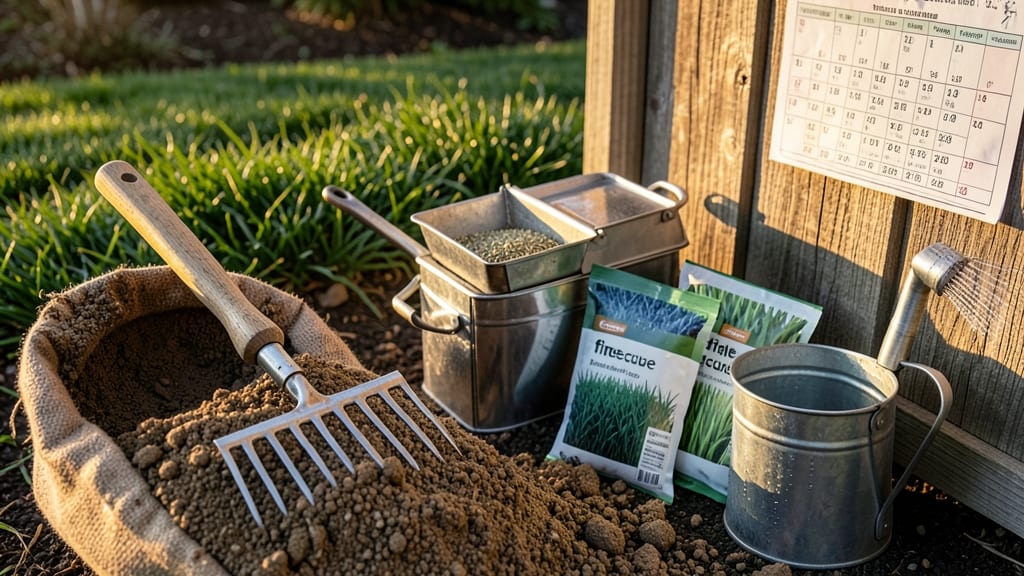
If you’ve ever stared at a patchy Minnesota lawn and wondered when to plant grass seed for that perfect green carpet, timing is everything. Cool-season grasses like Kentucky bluegrass and fescue need the right conditions to take root fast—and getting it wrong means waiting another year for that lush look.
Minnesota’s short growing season and unpredictable frost dates make this tricky. Plant too early, and your seeds might dry out or rot. Too late, and they’ll struggle to establish before winter sets in. The best window isn’t just about months—it’s about soil temperature, moisture, and even your local microclimate.
I’ve tested the ideal planting times across Minnesota’s 3a-5b zones, and the results will surprise you. Whether you’re seeding in spring or fall, these proven strategies ensure your grass germinates quickly and stays resilient through Minnesota’s harsh winters. Let’s dive into the fastest, most reliable approach for your yard.
From preparing your soil to avoiding common pitfalls, you’ll learn exactly when to plant for maximum success. No more guessing—just a step-by-step plan tailored to Minnesota’s climate. Ready to transform that bare spot into a vibrant lawn?
Best planting windows for Minnesota grass seed: cool-season timeline explained
Minnesota’s cool-season grasses like Kentucky bluegrass and tall fescue thrive when planted during optimal temperature windows. Unlike warm-season grasses, these varieties grow best in 50–65°F soil temperatures, which aligns with early fall and spring timing.
Planting outside these windows risks slow germination or winter kill—especially in Minnesota’s USDA Zones 3–5.
The golden window for Minnesota grass seed is late August to mid-September, when soil stays warm enough for germination but nights cool down to protect young seedlings. Spring planting is also viable, but late April to early May is ideal to avoid late frost damage.
Let’s break down the best times, what to watch for, and how to adjust for Minnesota’s unpredictable climate.
🌱 Did You Know? Minnesota’s first frost can arrive as early as October 1 in northern zones, while southern areas may see frost in November. This variability means fall planting must happen 6–8 weeks before frost to ensure seedling establishment.
| Planting Window | Ideal Soil Temp | Minnesota Months | Pros | Cons |
|---|---|---|---|---|
| Early Fall (Golden Window) | 50–65°F | Late August–Mid-September | Fewer weeds, cooler temps, strong root growth | Early frost risk in northern MN |
| Spring | 50–65°F | Late April–Early May | Longer growing season ahead, avoids winter stress | Late frost can kill seedlings; weeds compete early |
| Late Summer (Backup) | 60–70°F | June–Early July | Warm soil speeds germination | High weed pressure; requires frequent watering |
For northern Minnesota (Zones 3–4), aim for early September planting to maximize growth before frost. In southern Minnesota (Zones 4–5), you can extend planting into early October. Always check a 7-day forecast for frost warnings—seedlings need 4–6 weeks to establish roots before winter.
If you miss the fall window, spring planting is your next best option—but avoid planting before April 15. Early spring seeds may germinate too slowly if soil temps drop below 50°F. Use a soil thermometer to confirm readiness; 60°F+ is ideal for consistent germination.
Minnesota’s clay-heavy soils can delay warming in spring. If your soil stays cold, consider covering seed with straw to retain warmth. Conversely, in drought-prone areas, prioritize fall planting to give seedlings a head start before summer heat arrives.
Pro tip: Mix grass seed varieties for resilience. A blend of Kentucky bluegrass (fast-spreading), fine fescue (shade-tolerant), and perennial ryegrass (quick germinator) ensures uniform coverage despite Minnesota’s variable weather. Always follow seed bag instructions for application rates—over-seeding wastes money and invites weeds.
Timing isn’t just about the calendar; it’s about soil temperature, moisture levels, and local microclimates. Shady areas stay cooler longer, while south-facing slopes warm up faster. Adjust your planting date 1–2 weeks earlier in sunny spots and 1–2 weeks later in shaded or low-lying areas.
Remember: Patience is key. Cool-season grasses germinate in 7–21 days under ideal conditions, but Minnesota’s temperature swings can stretch this timeline. Monitor your lawn daily and keep soil consistently moist (not soggy) until seedlings reach 2–3 inches tall.
By aligning your planting with Minnesota’s cool-season rhythms, you’ll outpace weeds, avoid frost damage, and enjoy a thick, green lawn year after year. Start with the golden window, but don’t stress—even a late spring planting can succeed with the right prep.
How to prepare your Minnesota lawn for grass seed success: soil, weather, and pre-planting checks
Preparing your lawn properly is the secret to fast germination and a thick, resilient grass stand. Minnesota’s clay-heavy soils and unpredictable weather demand extra attention—skipping prep steps can leave your seed struggling.
Start by testing your soil pH (aim for 6.0–7.0) using a simple kit from your local garden center. If your soil is too acidic or alkaline, amend it with lime or sulfur 4–6 weeks before planting.
Next, clear the area of weeds, rocks, and debris—even small obstacles can block seed-to-soil contact. Use a broadfork or rototiller to loosen the top 2–3 inches of soil without compacting it further. For clay soils, mix in compost or peat moss to improve drainage and aeration.
If your lawn has bare patches, consider overseeding with a high-quality blend like tall fescue or Kentucky bluegrass, which thrive in Minnesota’s climate.
⚠️ Critical Mistake
Planting too late in spring (after May 15) risks heat stress and dormancy before roots establish. Fall planting after September 15 may face early frosts, stunting growth. Stick to the 6–8 week window before your first frost for best results.
Before seeding, rake the soil to create a fine, crumbly texture—this helps seed make direct contact with moisture and nutrients. If your lawn has thatch (a layer of dead grass) over ½ inch thick, dethatch using a vertical mower or manual rake.
For drought-prone areas, water deeply 2–3 days before planting to ensure the soil is moist but not soggy. A light mulch of straw (not wood chips) after seeding can retain moisture and protect young sprouts from wind.
Choose the right grass seed blend for your yard’s sun exposure and foot traffic. Shade-tolerant mixes (like fine fescue) work for areas under trees, while sun-loving blends (like Kentucky bluegrass) thrive in open spaces.
Apply seed at the recommended rate (usually 4–8 lbs per 1,000 sq ft) using a spreader for even distribution. Lightly rake the seed into the soil—just enough to cover it, as full burial can prevent germination.
After planting, water gently but frequently—keep the soil consistently moist (not waterlogged) for the first 2–3 weeks. Use a sprinkler with fine mist or a soaker hose to avoid displacing seed. Avoid walking on the area until the grass reaches 3–4 inches tall.
In Minnesota’s cool, wet springs, watch for fungal diseases like dollar spot—improve airflow by spacing out seedlings and avoid overhead watering if possible.
Finally, fertilize lightly 4–6 weeks after germination with a balanced, high-nitrogen fertilizer (like 16-4-8). This encourages root development without burning tender new growth. Monitor your lawn weekly for pests (like chinch bugs) or nutrient deficiencies (yellowing grass).
With the right prep, your Minnesota lawn will establish strong roots before winter, giving you a head start next spring.