
Plants
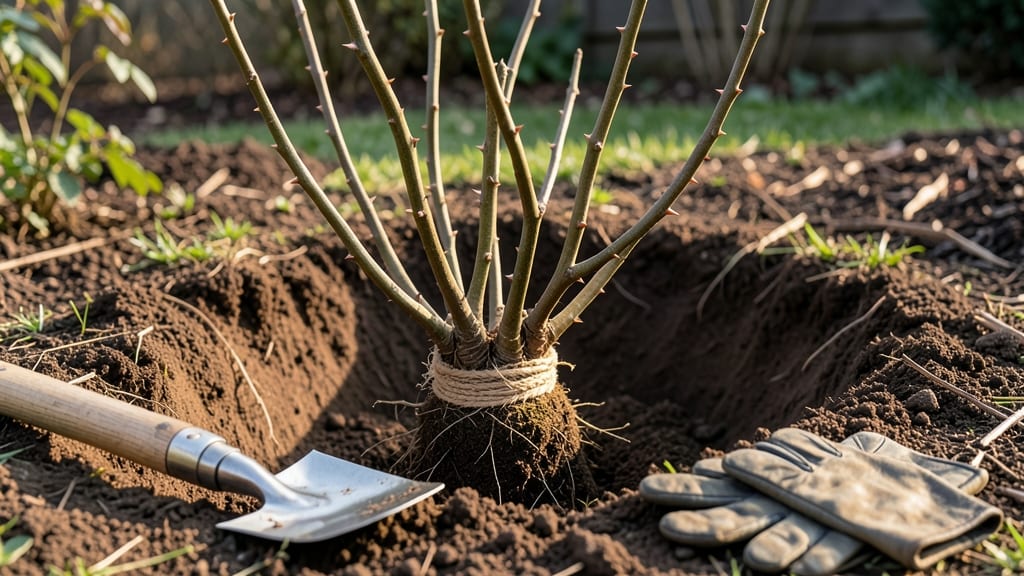
Timing when to plant bare root roses in Zone 9 isn’t just about avoiding frost—it's about catching that sweet spot when the soil is cool, the air is crisp, and your 🌹 has the best chance to root before summer's relentless heat arrives.
If you plant too early, your roses might wake up too soon and struggle with transplant shock. Too late, and they'll be fighting the heat before they've had a chance to establish.
The key is getting it right between November and February, when the ground is moist but not soggy, and temperatures stay mild.
I've planted hundreds of bare root roses in this zone, and I can tell you—those planted in the 4-6 weeks before the last frost-free period (usually late February to early March) take off like rockets. They go from floppy stems to thriving bushes before the real heat hits.
In this guide, I'll walk you through the exact window, how to prep your soil, and what to watch for so your roses don't just survive—they thrive in Zone 9's unique climate. Let's get those roots growing strong.

Optimal planting windows for bare root roses in Zone 9: exact weeks before frost
In Zone 9, where frost is rare and summer heat dominates, timing your bare root roses isn’t about avoiding cold—it’s about giving roots a 4-6 week head start before temperatures soar.
The ideal window is November through February, when soil stays cool and moisture levels are higher. This period lets roots establish before summer dormancy kicks in.
Unlike cooler zones, Zone 9’s 300+ frost-free days mean you can plant bare root roses later than most gardeners. My rule of thumb? Aim for 6-8 weeks before average last frost (though Zone 9 rarely sees frost).
For Southern California, that’s typically late November to early February—just before spring’s heat ramps up.
Here’s the key: Soil temperature should be between 40°F and 60°F for best root growth. In Zone 9, this often aligns with November-December or January-February, depending on microclimates. For example, desert areas like Phoenix may shift slightly later, while coastal regions like Santa Barbara can start earlier.
If you miss the winter window, don’t panic—early spring planting (March) can still work, but you’ll need to water deeply and mulch heavily to protect roots from drying out. The trade-off? Spring-planted roses may bloom later or struggle in Zone 9’s intense summer heat.
Pro tip: Check your local USDA Plant Hardiness Zone map for precise frost dates. Even in Zone 9, microclimates vary—mountain foothills may need earlier planting than coastal areas. Always err on the side of cooler soil to minimize transplant shock.
For Zone 9 gardeners, the November-December window is my top recommendation. During this time, rainfall is higher (even in desert areas), and daytime temps stay mild.
I’ve seen bare root roses planted in late November in Southern California establish roots by February, ready to bloom by spring without stress.
One common mistake? Waiting until March or April when the urge to garden grows. But by then, Zone 9’s heat is already ramping up. Roots planted in March may suffer transplant shock as summer approaches.
If you must plant later, choose dwarf varieties like ‘The Fairy’ or ‘Playboy,’ which handle heat better than hybrid teas.
Always check the bud stage of your bare root roses before planting. Swollen buds signal readiness, but green tips mean it’s too late—wait for cooler weather. In Zone 9, this often means holding off until January for most varieties.
Finally, consider container planting if your soil drains poorly. Containers warm up faster in spring, so you can plant bare root roses 2-3 weeks later than in-ground. Just ensure pots are at least 18 inches deep and use well-draining mix.
Optimal planting windows for bare root roses in Zone 9: exact weeks before frost
Zone 9’s mild winters and long growing season mean bare root roses thrive when planted during cooler months, but timing is everything. Unlike colder zones, you won’t have frost to signal planting—so focus on soil temperature and rainfall patterns.
The best window is 4-6 weeks before summer heat peaks, typically November through February, with March and April as ideal for most varieties.
In Zone 9, bare root roses need 60-70°F soil temperatures to establish roots without stress. Planting too early (like October) risks dormant buds waking up prematurely, while waiting until May means summer heat stress before roots can settle.
Aim for cooler, moist soil—think late fall or early spring when rainfall increases and evaporation slows.
Pro Tip: Use a soil thermometer to check depth—roots need 55-65°F soil for 2+ weeks before planting. If your soil runs hotter, opt for shadier spots or container growing to extend the window.
Zone 9 Bare Root Rose Planting Timeline
| Planting Window | Soil Temp Goal | Rainfall Needs | Key Action |
|---|---|---|---|
| Late November - December | 55-60°F | Moderate (natural moisture) | Soak roots, plant before buds swell |
| January - Early February | 55-65°F | Light (supplement if dry) | Mulch heavily to retain moisture |
| March - April | 60-70°F | Increase watering | Fertilize lightly after 6 weeks |
🌱 Note: Adjust for microclimates—coastal areas plant 2-3 weeks later than inland desert zones.
For Zone 9 gardeners, March is the gold standard—cooler temps, 6+ hours of sun, and minimal heat stress. If you miss this window, late fall (November) is your backup, but avoid summer planting at all costs—bare roots baked in 90°F soil will wilt within days.
Local USDA Zone 9a vs. 9b differences matter too. Zone 9a (cooler, like San Francisco) can plant 2 weeks earlier than Zone 9b (hotter, like Phoenix).
Check your last spring frost date (usually none in Zone 9) and first summer heatwave—aim to plant 4-6 weeks before temps hit 85°F consistently.
Once planted, root establishment takes 6-8 weeks in Zone 9’s climate. Use mulch (3-4 inches) to keep roots cool and water deeply 2-3x/week until new growth appears. Skip summer planting—even shade-loving roses struggle when roots can’t cool down.