
Plants
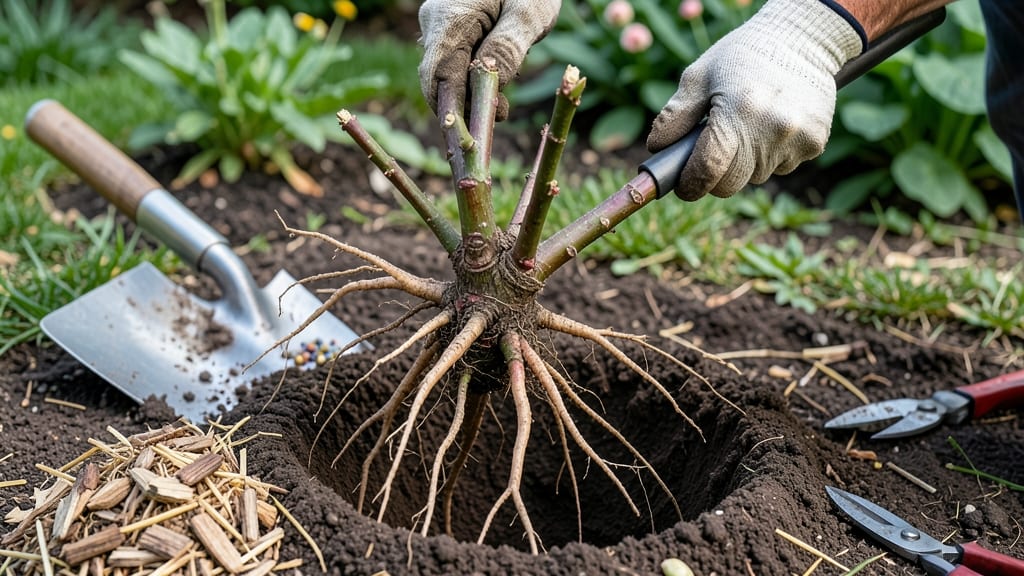
Timing your bare root roses planting in Zone 6 can make or break their first growing season—get it wrong, and you risk weak roots or frost damage.
The secret lies in planting 4-6 weeks before your last frost date, when the ground is workable but still cool, giving roots time to establish before summer heat arrives.
I’ve learned the hard way that rushing this process—whether in late winter’s chilly soil or waiting too long into spring—can leave your 🌹 roses struggling. Zone 6’s unpredictable swings from 30°F freezes to 70°F warmth demand precision, not guesswork.
Let’s break down the exact window, prep steps, and care tips to set your roses up for a bloom-filled first year.
Most gardeners in 6a-6b zones aim for late March to mid-April, but your local frost data might shift that by 1-2 weeks.
We’ll cover how to read USDA maps, soak roots properly, and avoid common mistakes like planting canes that are too long or skipping soil amendments for clay-heavy Zone 6 soil.
Ready to plant with confidence? You’ll walk away knowing not just when to dig in your bare root roses, but how to give them the Zone 6-specific care they need to thrive—from dormancy breaking to summer survival.

Optimal planting weeks before last frost in Zone 6 (with exact dates)
Timing is critical when planting bare root roses in Zone 6—aim for 4-6 weeks before your average last frost date. This window (typically late March to mid-April) ensures roots establish before summer heat arrives. Miss it, and you risk transplant shock or stunted growth.
Zone 6 spans diverse microclimates, so check your USDA frost map for precision. For example, Chicago averages last frost on April 15, while Asheville, NC sees it by April 5.
Plant too early, and frost heave can uproot delicate roots; too late, and roots won’t anchor before heat stress sets in.
Soil temperature is your true guide, not just calendar dates. Bare root roses need consistently 40°F+ soil to wake from dormancy. Use a soil thermometer—waiting for this threshold prevents root rot from cold, wet soil.
For Zone 6a (colder subregion), target late March planting (e.g., March 20-31). In Zone 6b (warmer), early April (e.g., April 1-15) works best. Verify your local first frost date—some years, late frosts hit May 10, so adjust accordingly.
Pro tip: Plant afternoon of Day 1 if frost is forecasted for Day 3. Roses need 2-3 weeks to establish roots before facing stress. Use black plastic mulch to warm soil faster in cooler Zone 6a areas.
If you’re unsure about your last frost date, rely on local gardeners’ reports or Almanac’s frost calculator. For example, Madison, WI gardeners often plant by April 1, while Raleigh, NC waits until April 10. Adapt based on your microclimate’s history.
Remember: Bare root roses are dormant until planted. The 4-6 week window before last frost gives roots time to anchor deeply before summer’s heat and pests (like Japanese beetles) arrive. Rush it, and you’ll spend summer playing catch-up with weak stems.
For Zone 6’s unpredictable springs, combine frost dates with soil temperature. A 40°F soil in March might mean success, while 35°F soil in April could spell disaster. Test with a thermometer—don’t guess!
Once planted, mulch heavily (3–4 inches) to insulate roots from temperature swings—a common issue in Zone 6’s variable springs. This step alone can boost survival rates by 30%.
How to prepare bare root roses for planting in Zone 6’s unpredictable spring weather
Zone 6’s variable spring weather demands extra care when prepping bare root roses. Cold snaps can linger while soil warms unevenly, making preparation just as critical as timing.
Start by examining your bare root roses—look for plump, flexible canes and moist (not soggy) roots. These signs indicate healthy stock ready for planting.
Before planting, soak the roots in water for 2-4 hours to rehydrate them. This step is non-negotiable in Zone 6’s dry early springs, which can dehydrate roots faster than in wetter climates. While soaking, trim any damaged or mushy roots with clean pruners—this prevents disease and encourages stronger growth.
Prune the canes to 18-24 inches tall, cutting at a 45-degree angle just above an outward-facing bud. This shape promotes better water runoff and airflow, reducing fungal risks in Zone 6’s humid springs. Avoid cutting into old wood (gray or woody canes), as these won’t regrow effectively.
⚠️ Common Mistakes to Avoid in Zone 6
- Planting before soil reaches 40°F consistently (risks root rot from cold, wet soil)
- Ignoring canes longer than 6 inches (wastes energy on foliage instead of root growth)
- Skipping soil aeration in compacted Zone 6 clay soils (roots suffocate)
- Using fresh manure near roots (burns tender growth and attracts pests)
Amend your planting site with compost or aged manure to improve drainage and fertility. Zone 6 soils often compact easily, so mix in sand or perlite if your garden is heavy clay.
Dig a hole wide enough to spread the roots without bending them—this prevents transplant shock and encourages faster establishment.
If your last frost date is still weeks away, protect newly planted roses with frost cloth or a mulch blanket. Zone 6’s late frosts can damage tender new growth, but a well-mulched rose will bounce back stronger.
Water deeply after planting to settle the soil and remove any air pockets around the roots.
Finally, label your roses immediately—Zone 6’s unpredictable weather can blur memories by summer! Include the variety name and planting date to track growth patterns. With these steps, your bare root roses will hit the ground running as soon as spring stabilizes.