
Companion Plants
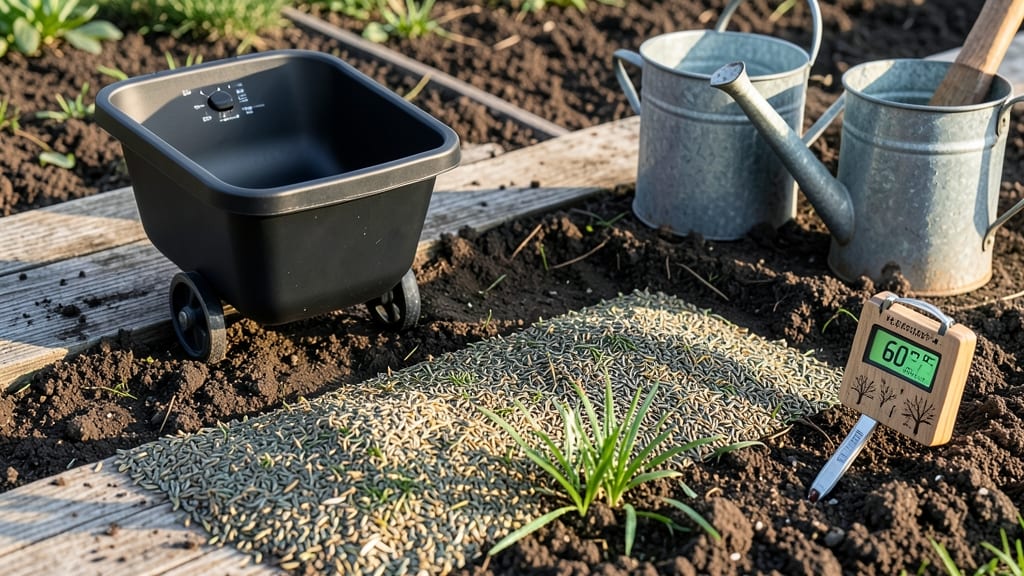
Timing your grass seed planting in spring could mean the difference between a lush, green lawn and weeks of frustration waiting for germination. If you've ever stared at your calendar wondering, "Is it too early or too late?" you're not alone—getting this right is the key to fast, even growth.
Most gardeners in Zone 6a should aim to plant 4-6 weeks before the last frost, typically in early spring when soil temperatures hit 50°F. But here's the catch: rushing too soon can leave your seed vulnerable to frost, while waiting too long might mean competing with weeds.
Let me walk you through the exact window and prep steps to give your 🌱 grass the best start.
You'll learn how to check soil readiness, pick the right seed type for your climate, and create the perfect conditions for fast germination. No more guesswork—just a clear, step-by-step guide to transform your patchy yard into a vibrant lawn.
Ready to skip the trial-and-error? Let’s dive into the ideal planting timeline, common mistakes to avoid, and the simple care routine that keeps your grass thriving from day one.
Ideal soil temperature and frost-free timeline for spring grass seed planting
Timing your spring grass seed planting correctly is the difference between a thick, green lawn and a patchy, slow-growing mess. The key factors are soil temperature and the frost-free window.
For most grass types, soil should be between 50-65°F (10-18°C)—too cold, and seeds won’t germinate; too hot, and they’ll dry out before sprouting.
Cool-season grasses like Kentucky bluegrass and fescue thrive when planted 4-6 weeks before your last frost date. Warm-season grasses, such as Bermuda or Zoysia, need to wait until after the last frost when soil is consistently above 65°F (18°C).
In USDA Zone 6a, that’s typically late April to early May for most regions.
But here’s the catch: Northern climates (Zones 3-5) should plant earlier—as soon as soil warms to 50°F (10°C)—while Southern climates (Zones 7+) can wait until mid-to-late spring to avoid summer heat stress. Always check your local frost dates and adjust accordingly.
Pro Tip: Use a soil thermometer to confirm temperatures before planting. If your soil is still below 50°F (10°C), wait—even if it feels warm above ground. Patience now means a stronger lawn later.
🌱 Spring Grass Planting Timeline by Grass Type
| Grass Type | Ideal Planting Time | Soil Temp Range | Key Consideration |
|---|---|---|---|
| Cool-Season (Fescue, Bluegrass, Ryegrass) | 4-6 weeks before last frost | 50-65°F (10-18°C) | Avoid planting too early—seeds may rot in cold, wet soil. |
| Warm-Season (Bermuda, Zoysia, St. Augustine) | After last frost, soil >65°F (18°C) | 65-75°F (18-24°C) | Wait until summer heat is established for best growth. |
| Tall Fescue (Transition Zone) | Early spring or late summer | 50-65°F (10-18°C) | Adaptable but prefers cooler soil for germination. |
🌡️ Always verify soil temp with a thermometer—surface temp ≠ soil temp!
If you’re in a transition zone (like USDA Zone 6a), focus on cool-season grasses for spring planting.
These varieties establish roots early, handle cooler temps, and stay green through fall. Warm-season grasses, on the other hand, should wait until late spring—planting them too early can stress them out before they’re ready to thrive.
Another critical factor is rainfall timing. If your area is forecasted for heavy rains within 2 weeks of planting, delay seeding to avoid soil erosion or fungal diseases. Aim for a dry, sunny week after planting to help seeds bond with the soil.
For northern regions, early April is often ideal—soil warms enough for germination, but you’re still ahead of summer’s intense heat. In southern climates, hold off until May to avoid drought stress or overheating of young seedlings. Always double-check your local agricultural extension service for hyper-local advice.
Finally, don’t forget that grass seed germination takes time—typically 7-21 days, depending on the variety and conditions. Cool-season grasses may sprout in 5-10 days if conditions are perfect, while warm-season types can take 2-3 weeks. Patience is key during this phase!
Once you’ve nailed the timing, the next step is proper soil prep and post-planting care. But first, let’s tackle the biggest mistakes that can derail your spring lawn—like planting too early or ignoring soil pH. Stay tuned for our next section on step-by-step planting
Ideal soil temperature and frost-free timeline for spring grass seed planting
Getting your grass seed timing right in spring depends on two key factors: soil temperature and your local frost-free date. Most cool-season grasses (like tall fescue or Kentucky bluegrass) germinate best when soil temps hit 50-65°F—that’s usually 4-6 weeks before your last frost.
Warm-season grasses (like Bermuda or Zoysia) need warmer soil, around 65-75°F, so wait until after your last frost for those.
In Zone 6a, where last frosts often hit around April 15, aim to plant cool-season grass seed between late February and early April. This gives seedlings time to establish roots before summer heat arrives.
Pro tip: Use a soil thermometer to confirm temps—don’t guess! If your soil is still below 50°F, wait a few more days or weeks.
Here’s a quick rule of thumb: Cool-season grasses thrive when planted 2-4 weeks after your last frost, while warm-season grasses should go in after your last frost when soil is consistently above 65°F.
For example, in northern climates, early April is ideal, but in southern regions, you might plant as early as February.
| Grass Type | Ideal Soil Temp | Planting Window | Key Climate Notes |
|---|---|---|---|
| Cool-Season (Tall Fescue, Bluegrass) | 50-65°F | 4-6 weeks before last frost | Northern climates: Late Feb–early April |
| Warm-Season (Bermuda, Zoysia) | 65-75°F | After last frost | Southern climates: Late April–May |
One common mistake? Planting too early when soil is still cold or too late when weeds take over. If you’re in doubt, err on the side of waiting—seedlings need warmth to break dormancy.
For example, if your last frost is April 15, aim to plant by mid-March for cool-season grass. Always check your local USDA Plant Hardiness Zone for precise timing.
After planting, monitor your lawn for even moisture and consistent sunlight. Grass seed needs 6+ hours of sun daily to germinate properly. If you notice slow growth or yellowing, it might be a sign of underwatering or shade stress.
Adjust your care routine accordingly—your grass will thank you with a thick, vibrant lawn by summer!
Pro tip: Use a mulching mower after germination to retain moisture and encourage deeper roots. This simple step can boost your grass’s resilience during dry spells. With the right timing and care, you’ll see visible sprouts in 7-21 days, depending on the variety.