
Plants
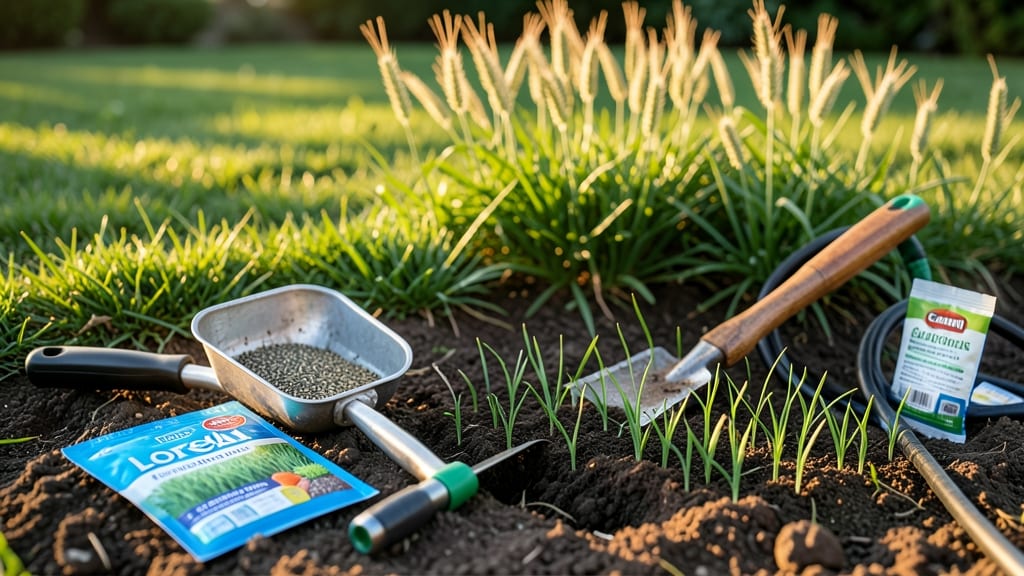
Timing your grass planting in Kansas can make or break your lawn—get it right, and you’ll enjoy a thick, vibrant lawn that thrives through the state’s extremes.
The best time to plant grass in Kansas depends on your grass type and local climate zone, but most experts agree that early spring or fall offers the ideal conditions for success.
With Kansas’ USDA zones ranging from 5b to 7a, you’ll need to account for soil temperatures, frost dates, and regional microclimates. Cool-season grasses like Kentucky bluegrass prefer cooler soil, while warm-season varieties like Bermuda grass need warmer conditions to establish roots.
Missing the window could mean wasted seed or uneven growth.
I’ll break down the science behind Kansas’ planting windows, including soil temperature thresholds and frost-free dates, so you can avoid common mistakes. Whether you’re planting in Wichita or Topeka, these insights will help you choose the perfect time for a lawn that lasts.
Ready to transform your yard? Let’s dive into the best strategies for planting grass in Kansas, from soil prep to post-planting care, so you can enjoy a lush lawn all season long.
Kansas grass planting timeline: soil temperature & frost-free window explained
Kansas’ grass planting success hinges on two critical factors: soil temperature and the frost-free window. Planting too early risks frost damage, while waiting too long means summer heat stress.
The ideal window is early spring (March-April) or early fall (September-October), when conditions align perfectly for seed germination and root establishment.
Cool-season grasses like Kentucky bluegrass and tall fescue thrive when soil temps reach 50-60°F, while warm-season varieties such as Bermuda and Zoysia need 60-70°F. Kansas’ USDA zones 5b-7a mean these thresholds vary slightly by region, but these general rules apply statewide.
Here’s the golden rule: Plant when your soil thermometer reads 55-65°F at 4-inch depth.
For most of Kansas, this falls between March 15 and April 15 in spring, and September 1 to October 15 in fall. Miss this window, and you risk uneven growth or seed washout from heavy rains.
Kansas’ average last frost date is April 15, but northern regions (e.g., Salina) may see frost until May 1. Similarly, the first frost arrives around October 15, with southern areas like Wichita holding off until October 25.
Always check local frost data from Kansas State University Extension for precision.
Fall planting is often superior because cooler temps reduce water stress and weeds. Grass seeds germinate slowly in fall, giving roots time to establish before winter dormancy. Spring planting, however, offers longer daylight hours for rapid growth—but requires vigilant weed control.
| Season | Ideal Planting Month | Soil Temp Requirement | Key Considerations |
|---|---|---|---|
| Spring | March–April | 50–60°F (cool-season) / 60–70°F (warm-season) | Risk of late frost; prioritize weed control |
| Fall | September–October | 55–65°F (universal) | Cooler temps reduce water needs; roots establish before winter |
| Avoid | May–August | >75°F | High heat causes seed dormancy; drought stress likely |
To extend your planting window, use soil warmers in early spring or shade cloth in late summer. For example, covering seed with straw mulch can protect it from late spring frosts while retaining moisture. However, these methods are temporary fixes—stick to the ideal windows for best results.
Pro tip: Test your soil 2–3 weeks before planting. If temps are too cold, wait—rushing leads to poor germination. Use a soil thermometer ($10 at garden centers) to monitor progress daily. Kansas’ clay-heavy soils also benefit from pre-plant aeration to improve drainage.
Remember: Grass seed needs consistent moisture to germinate. In Kansas’ windy spring, water lightly twice daily (morning and evening) until sprouts appear. Once established, reduce to 1/2 inch per week. Overwatering in summer can suffocate roots, while underwatering causes dormancy.
For maximum success, align your planting with Kansas’ moisture patterns. Spring rains often taper by late April, making it ideal for seed-to-soil contact. Fall’s September showers provide natural hydration, reducing your workload. Plan ahead—your lawn’s health starts with timing! 🌿
Best grass types for Kansas by planting season: cool-season vs. warm-season breakdown
Choosing the right grass type for Kansas isn’t just about aesthetics—it’s about matching your variety to the planting season and your USDA zone.
Cool-season grasses like Kentucky bluegrass and Tall Fescue thrive when planted in early fall or spring, while warm-season varieties like Bermuda and Zoysia need the heat of late spring or early summer to establish properly.
Kansas’ climate zones (ranging from 5b to 7a) mean that timing matters even more. For example, Bermuda grass struggles in northern Kansas but excels in southern regions. Meanwhile, Tall Fescue is a drought-resistant favorite across the state, making it ideal for both cool and warm seasons.
| Grass Type | Best Planting Months | Soil Temp Requirement | USDA Zones | Key Benefit |
|---|---|---|---|---|
| Kentucky Bluegrass | March-April, September-October | 50-65°F | 5b-7a | Drought-tolerant, spreads aggressively |
| Tall Fescue | March-April, September-October | 55-65°F | 5b-7a | Deep roots, heat/drought-resistant |
| Bermuda Grass | May-June | 60-75°F | 6a-7a (southern KS) | Fast-growing, drought-tolerant |
| Zoysia Grass | May-June | 65-75°F | 6a-7a (southern KS) | Low-maintenance, shade-tolerant |
If you’re in northern Kansas (USDA 5b-6a), focus on cool-season grasses like Tall Fescue or Kentucky Bluegrass. These varieties handle the state’s cold winters and hot summers better than warm-season options.
For southern Kansas (USDA 6b-7a), you can experiment with Bermuda or Zoysia, but be prepared for more maintenance during winter dormancy.
Pro tip: Always check the soil temperature before planting. Use a soil thermometer to confirm it’s at least 55°F for cool-season grasses or 60°F+ for warm-season types. Planting too early or late can lead to poor germination or winter kill.
For overseeding existing lawns, late summer (August) is ideal for cool-season grasses, while warm-season grasses should be planted in late spring (May) when the ground is consistently warm. This timing ensures your grass gets a 6-8 week growing window before extreme heat or cold sets in.
Remember, Kansas’ unpredictable weather means flexibility is key. Monitor local forecasts and adjust your planting schedule if late spring frosts or early summer droughts threaten your new lawn. With the right grass type and timing, you’ll have a lawn that stays green year-round.