
Plants
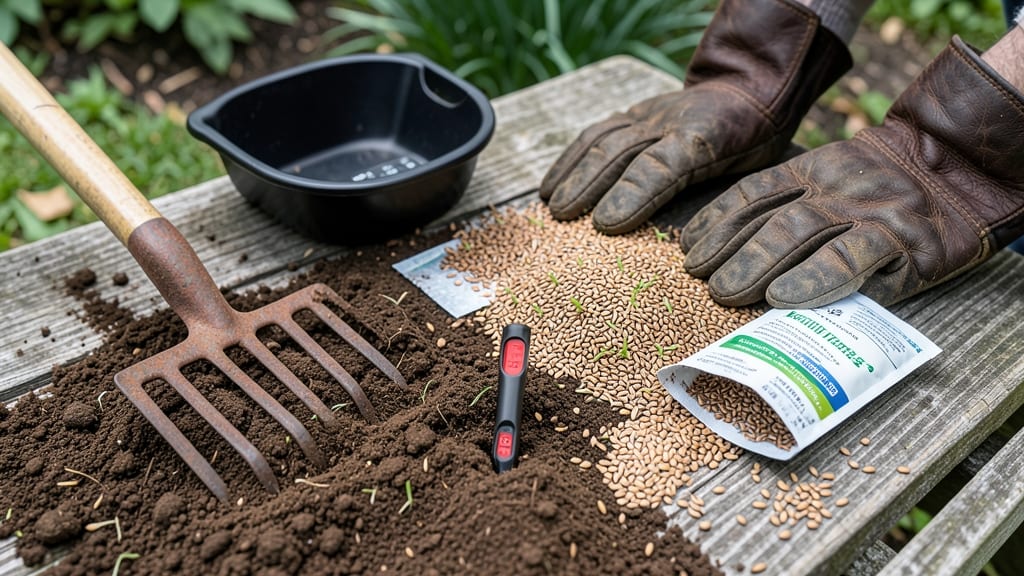
Timing your grass seed planting in Ohio isn't just about the calendar—it's about beating frost, soil warmth, and those sudden spring rain showers that can turn your hard work into a soggy mess.
With USDA Zone 6a conditions and last frost dates hovering around April 15, knowing the exact window for cool-season grasses like Kentucky Bluegrass or Tall Fescue could mean the difference between a lush lawn and a patchy disappointment.
Most Ohio gardeners swear by early fall or late spring as the sweet spots, but here's the catch: soil temperatures need to hit 50°F–65°F for optimal germination. Too early, and frost will kill your seedlings; too late, and summer heat stresses them out.
I'll break down the perfect frost-free weeks for your region—whether you're in Columbus, Cincinnati, or Cleveland—and how to adjust for those tricky microclimates.
You might think "just throw seed on the ground and water it" works, but 5 common mistakes (like planting when soil is still cold or skipping soil prep) derail even the best-intentioned lawn projects.
We'll cover how to prep your soil, water like a pro, and avoid weed competition so your grass gets the head start it deserves.
Ready to transform your Ohio yard into the greenest neighborhood block? Let's dive into the exact weeks, soil checks, and care tips that'll have your lawn thriving—no guesswork required.
Ohio’s ideal grass seed planting windows by week (soil temp & frost-free guide)
Ohio’s cool-season grasses (like tall fescue and Kentucky bluegrass) thrive when planted in early spring or fall, while warm-season grasses (such as Bermuda) need late spring warmth. The key? Soil temperatures between 50°F–65°F for cool-season types and 65°F+ for warm-season varieties.
Let’s break down the best weeks to plant across Ohio’s USDA Zone 6a, including frost-free dates for major cities.
For Columbus, Cincinnati, and Cleveland, the last frost date typically falls around April 15, and the first frost arrives by October 15. This gives you a 165-day growing window, but timing matters.
Planting too early risks frost damage, while waiting too long invites weed competition. Below, I’ll map out the ideal planting weeks for both seasons, plus soil temp checks to avoid costly mistakes.
🌱 Did You Know?
Here’s your week-by-week planting guide, tailored to Ohio’s climate. Use a soil thermometer (available for ~$15) to confirm temps before seeding. For cool-season grasses, aim for soil temps between 50°F–65°F, while warm-season grasses need consistent 65°F+ for 7+ days.
For northern Ohio (e.g., Toledo, Akron), shift your spring planting 1–2 weeks later due to later frost dates. In southern Ohio (e.g., Lexington, Chillicothe), you can extend fall planting into early November if soil temps stay above 40°F.
Always check the Ohio State University Extension’s frost maps for your exact location—these dates can vary by 1–2 weeks year to year.
Pro tip: If you’re seeding in late spring for warm-season grasses, use a black plastic mulch to warm the soil faster. Remove it once germination starts (usually 7–14 days).
Ohio’s ideal grass seed planting windows by week (soil temp & frost-free guide)
Ohio’s cool-season grasses (like tall fescue and Kentucky bluegrass) thrive when planted in early spring or early fall, while warm-season grasses (such as Bermuda) prefer late spring planting.
The key is timing soil temperatures between 50°F–65°F for cool-season types and 65°F+ for warm-season varieties. Here’s your week-by-week planting schedule based on Ohio’s frost-free zones.
Most of Ohio experiences its last frost around April 15, but northern areas (like Toledo) can see frost until May 1, while southern regions (like Chillicothe) may be frost-free by March 25.
To maximize success, aim to plant 4–6 weeks before the first frost or 4–6 weeks after the last frost date. This ensures seedlings establish strong roots before extreme heat or cold.
| Timeframe | Soil Temp | Grass Type | Best Week | Notes |
|---|---|---|---|---|
| Early Spring | 50°F–60°F | Cool-Season | Week of April 1–15 | Ideal for northern Ohio; avoid if frost risk remains. |
| Late Spring | 60°F–65°F | Warm-Season | Week of May 15–30 | Best for southern Ohio; soil must stay warm. |
| Early Fall | 60°F–70°F | Cool-Season | Week of September 1–15 | Avoid planting after September 30; frost can kill seedlings. |
| Late Fall | Below 50°F | None | N/A | Seedlings won’t survive; wait until spring. |
For Columbus and Cincinnati, the ideal planting window is mid-April to early May for cool-season grasses and late May to June for warm-season types. Use a soil thermometer to confirm temperatures—cool-season grasses won’t germinate below 50°F, while warm-season varieties need at least 65°F for consistent sprouting.
If your soil is too cold or hot, wait 1–2 weeks for better results.
Pro tip: Overseeding in early fall (September) gives cool-season grasses a second chance to fill thin spots before winter. This method works best in northern Ohio, where frost arrives earlier.
Use a light mulch (like straw) to protect seedlings from temperature swings and retain moisture during Ohio’s unpredictable autumn rains.
If you’re in southern Ohio (e.g., Lexington or Athens), you can push planting into early November, but stop by October 15 to avoid frost damage. Always check your local USDA Plant Hardiness Zone (Ohio is mostly Zone 5b–6b) and adjust timing accordingly.
For example, Toledo (Zone 5b) has a shorter growing season than Chillicothe (Zone 6a).
Remember: Watering is critical during the first 2–4 weeks after planting. Keep soil consistently moist (1–1.5 inches per week) but avoid overwatering, which can wash away seed. Use a sprinkler with fine mist or a soaker hose to maintain even moisture without disturbing seedlings.