
Trees
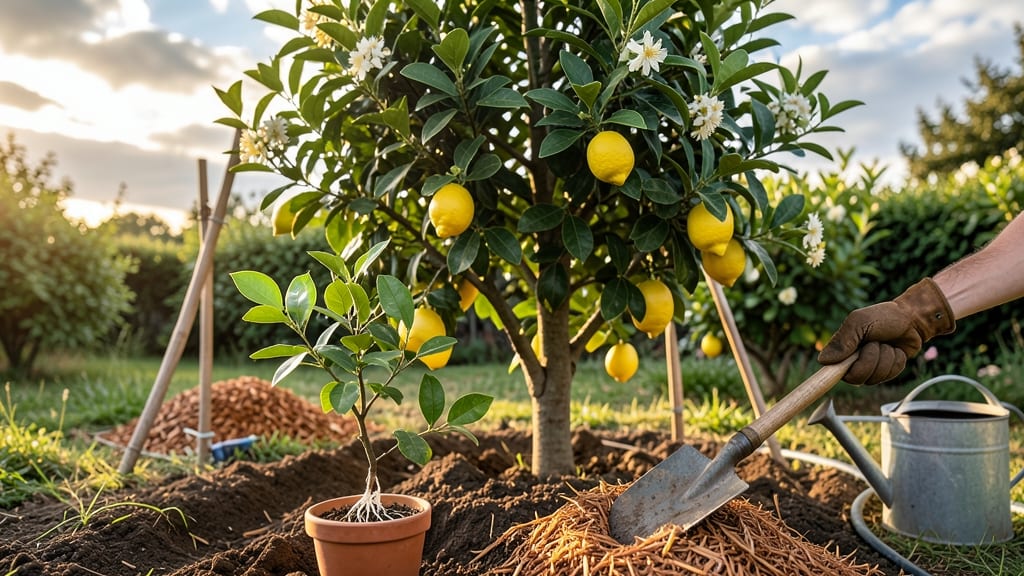
Planting a 🍊 citrus tree in Florida seems simple—until you realize timing can make or break your harvest. The best time to plant citrus trees in Florida isn’t just about seasons; it’s about heat zones, soil prep, and avoiding hurricane season pitfalls.
Skip the wrong window, and you risk stunted growth, disease, or even tree death.
Florida’s climate is a citrus grower’s dream, but late winter or early spring (February-April) is when most experts agree you’ll get the best start. Why? Cooler temps reduce stress, and the ground warms up just enough for roots to establish without battling summer heat or storm risks.
Whether you’re in frost-prone North Florida or Miami’s tropical Zone 11, the right timing makes all the difference.
I’ve seen firsthand how planting outside these months can lead to problems—like weak roots struggling in summer’s intensity or young trees getting damaged by hurricane winds. But don’t worry: with the right prep, you can plant successfully year-round.
Let’s break down the heat zone-specific months that’ll give your citrus tree the strongest foundation.
You’ll learn how to assess your soil, pick the perfect spot, and even avoid common mistakes that trip up Florida gardeners. Ready to grow a thriving citrus tree that bears fruit for years? Let’s get started.
Florida’s 3 heat zones: optimal planting months by region
Florida’s climate isn’t one-size-fits-all—its three distinct heat zones (North, Central, and South) dictate the best time to plant citrus trees. Each zone has unique challenges, from frost risk in the Panhandle to hurricane threats in the Keys. Understanding these differences ensures your citrus thrives year-round.
In North Florida (Zones 8a–9), where temperatures can dip below 32°F, the safest window is November through January. This avoids late-winter frosts while giving roots time to establish before summer’s brutal heat.
For Central Florida (Zones 9a–10), aim for February to early April—skipping hurricane season (June–November) entirely.
The South Florida (Zones 10a–11) zone is the most forgiving, with February to April as ideal. Here, citrus can be planted year-round, but summer’s 90°F+ temperatures stress young trees. Even in the South, avoid planting during hurricane season (June–November)—storm damage to tender roots is a major risk.
| Heat Zone | Best Planting Window | Key Considerations | Avoid Planting |
|---|---|---|---|
| North (8a–9) | November–January | Frost risk (Dec–Feb); cooler soil temps | Late winter (Feb–March) |
| Central (9a–10) | February–April | Humidity spikes; hurricane season looms | June–November |
| South (10a–11) | February–April | Year-round possible but summer stress | June–November (hurricanes) |
Soil temperature is another critical factor. Citrus roots need at least 60°F soil to establish—something rare in North Florida’s winter. Use a soil thermometer to confirm conditions before planting. In Central and South Florida, spring’s mild temps (70–80°F) create perfect conditions for root growth.
Microclimates matter too. For example, Orlando’s inland areas (Zone 9b) may experience cooler nights than coastal Daytona Beach (Zone 9a), delaying planting by a week or two. Always check local frost dates (even in the South) and hurricane forecasts before committing to a planting date.
Pro tip: Container-grown citrus can be planted year-round in South Florida, but bare-root trees (cheaper but less established) need the cooler months to avoid transplant shock.
If you’re in a Zone 10+ area and must plant in summer, shade the tree for the first 30 days and water deeply every 2–3 days to reduce stress.
Timing also affects fruit production. Trees planted in late winter/early spring often bear fruit 1–2 years sooner than those planted in summer. This is because the tree focuses energy on root establishment during cooler months, not on leafy (but non-fruiting) growth.
For dwarf varieties (like ‘Calamondin’ or ‘Meyer Lemon’), follow the same zone rules—but protect them further in North Florida. A windbreak or microclimate shelter can add 5–10°F of warmth, extending the planting window into early March in frost-prone areas.
Finally, avoid planting during Florida’s rainy season (May–October) unless you’re in a high-elevation area (like the Lake Wales Ridge). Excess moisture leads to root rot and fungal diseases like citrus scab, which can kill young trees within months.
Critical pre-planting checks: soil, sun, and storm prep for citrus success
Before you dig that hole for your new citrus tree, Florida’s unique growing conditions demand a few critical pre-planting checks. Soil pH between 6.0–7.0 is non-negotiable—citrus trees hate alkaline soil, which is common in Florida’s limestone-rich areas.
Test your soil with a citrus-specific kit or send a sample to your local extension office for accurate results.
Citrus trees also need well-draining soil to avoid root rot, a common killer in Florida’s heavy clay soils. If your yard drains poorly, amend the planting area with sand or compost to improve aeration.
A simple percolation test (dig a 12-inch hole, fill with water, and time how long it drains) will tell you if your soil is ready.
Sunlight exposure is another dealbreaker—citrus trees demand 6+ hours of direct sun daily. South-facing spots are ideal, but avoid areas where afternoon shade cuts sunlight short. If you’re planting in North Florida (Zones 8-9), choose a location sheltered from cold winds, while South Florida (Zones 10-11) growers should watch for intense afternoon sun that can scorch young leaves.
🌱Hurricane season (June–November) is a high-risk period for citrus planting. Trees established before storms have stronger root systems to anchor against winds and recover faster.
If you must plant during hurricane season, use container-grown trees with established root balls and stake them securely. Avoid bare-root trees—they’re far more vulnerable to uprooting.
💧Water availability is often overlooked, but citrus trees need consistent moisture during their first year. Plan your planting site near a drip irrigation system or a reliable water source, especially in Central Florida’s dry summers.
Mulching with 3–4 inches of organic mulch (like pine bark) helps retain moisture and regulate soil temperature.
Finally, rootstock selection matters—especially in colder North Florida. For cold-hardy varieties, use Swingle citrumelo or Carrizo citrange rootstock. In South Florida, where citrus greening disease is rampant, choose psyllid-resistant rootstocks like US-897 or Sour Orange to improve your tree’s survival odds.
✂️Pro tip: Prune any dead or diseased branches before planting to reduce stress. Healthy roots start with a healthy canopy!