
Trees
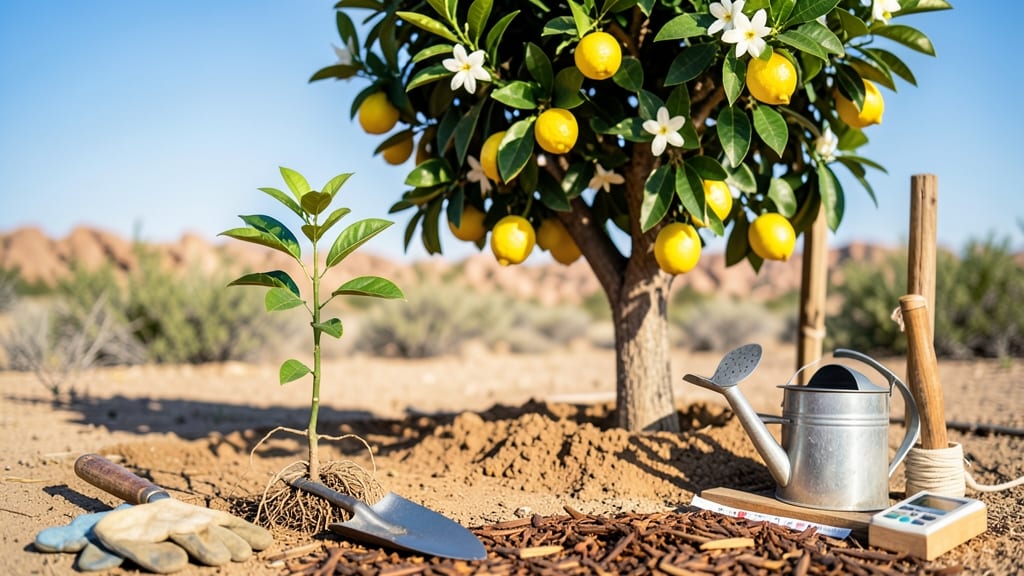
Timing your 🍊 citrus tree planting in Phoenix isn’t just about the calendar—it’s about outsmarting the desert’s extremes. Planting during the wrong months could leave your tree struggling with heat stress or winter cold snaps, but get it right, and you’ll set the stage for years of lush, fruitful growth.
The key to success lies in the monsoon window, when Phoenix’s skies open up just enough to give young roots a fighting chance.
I’ll show you exactly why July through September is the sweet spot for citrus trees in USDA Zone 9b, and how to work with nature’s watering system instead of against it.
Beyond timing, we’ll cover the must-know prep work—like choosing drought-tolerant varieties that thrive in Phoenix’s alkaline soil and setting up a watering schedule that keeps roots happy without drowning them. No more guesswork, just proven strategies to help your citrus tree take root and flourish.
Ready to plant with confidence? Let’s dive into the secrets that’ll turn your Phoenix backyard into the perfect citrus oasis—starting with the perfect planting window that makes all the difference.
Best time to plant citrus trees in Phoenix: monsoon season mastery
Phoenix’s desert climate might seem like a tough place for citrus trees, but with the right timing, you can turn those 110°F summers into an advantage.
The monsoon season (July–September) is actually the sweet spot for planting—when Mother Nature provides just enough moisture to help young roots establish without the scorching heat of mid-summer. This window aligns perfectly with Phoenix’s USDA Zone 9b conditions, where citrus thrives year-round if planted correctly.
Most gardeners assume winter is the only safe time to plant citrus, but in Phoenix, that’s a mistake. Winter’s cool nights (below 60°F) can stress newly planted trees, while monsoon rains create a natural irrigation system.
The key is to plant before the hottest August days (aim for early July) so your tree gets the rain’s benefits without the extreme heat shock that comes later in the season.
| Planting Window | Key Conditions | Soil Temp | Rainfall Benefit |
|---|---|---|---|
| July (Early) | Monsoon onset; 90-100°F days | 75-85°F | Moderate rains begin |
| August | Peak monsoon; 100-110°F | 85-95°F | Highest rainfall (1-3" per week) |
| September | Monsoon tapers; 90-100°F | 80-90°F | Decreasing but still helpful |
| October–March | Cool season; 60-80°F | 60-75°F | Minimal rain; supplemental water needed |
🌱 Monsoon Planting = Natural Irrigation
Citrus trees need well-draining soil to avoid root rot, but Phoenix’s native soil is often alkaline and clay-heavy. Amend your planting hole with 50% native soil + 50% compost or citrus-specific potting mix to create the perfect balance.
This mix helps retain the monsoon moisture while preventing waterlogging—a common killer of newly planted citrus in heavy clay.
Pro tip: Test your soil’s pH before planting. Citrus prefers a slightly acidic range (6.0–7.0). If your soil tests higher (common in Phoenix), add elemental sulfur or peat moss to lower the pH. Skip the lime—it’ll make the problem worse by raising alkalinity further.
Once planted, mulch heavily (3–4 inches of wood chips or straw) to lock in monsoon moisture and protect roots from temperature swings. Keep the mulch 6 inches away from the trunk to avoid rot. This layer also suppresses weeds, which compete for the limited water available in Phoenix’s dry months.
Watering is critical during monsoon planting. While the rains help, your young citrus tree still needs 1–2 inches of water per week from supplemental sources. Use a drip irrigation system or soaker hose to deliver water directly to the root zone, reducing evaporation.
Avoid overhead sprinklers—they can spread fungal diseases in Phoenix’s humid monsoon conditions.
Winter planting (November–March) is a secondary option if you miss the monsoon window, but it requires extra care. Young trees planted in winter need consistent watering every 5–7 days and protection from cold snaps below 30°F (rare in Phoenix but possible).
Wrap the trunk with burlap or frost cloth for added insulation during those occasional chilly nights.
Remember: Citrus trees in Phoenix can live for decades with proper care, but their first year is the most critical. By planting during the monsoon season and following these steps, you’ll give your tree the best possible start—outsmarting Phoenix’s extremes instead of fighting them. 🌵☀️
Best time to plant citrus trees in Phoenix: monsoon season mastery
Phoenix’s monsoon season—typically July through September—might seem counterintuitive for planting citrus trees, but it’s actually the best time to plant. The heavy rains provide natural irrigation, while the soil stays warm from summer’s residual heat. This combo reduces transplant shock and helps roots establish faster than in cooler months.
Citrus trees thrive in USDA Zone 9b, where Phoenix’s winters rarely drop below 25°F. However, planting in monsoon season lets you avoid the peak summer heat (June) and winter cold snaps (December–February), which can stress young trees.
The key is timing: plant after the first monsoon rains (usually late July) but before the hottest stretch fades.
🌱 Citrus Planting Timeline for Phoenix
| Month | Soil Temp | Rainfall | Planting Risk |
|---|---|---|---|
| June | 90°F+ | Low (pre-monsoon) | ❌ High (heat stress) |
| July–Sept | 80–90°F | High (monsoon) | ✅ Low (ideal) |
| Oct–Nov | 70–80°F | Moderate | ⚠️ Medium (cooler nights) |
| Dec–Feb | 50–65°F | Low | ❌ High (cold risk) |
💡 Pro Tip: Test soil moisture weekly—monsoon rains can oversaturate soil, leading to root rot.
If you miss monsoon season, your next best window is October–November, when temperatures drop but aren’t yet winter-chill. Avoid planting in April–May, as the spring heat spikes and water restrictions often limit irrigation.
Always check the National Weather Service for Phoenix’s monsoon forecasts to align planting with 1–2 inches of rain.
For container-grown citrus trees (like Meyer lemons or Calamondins), monsoon timing still applies, but monitor potting mix moisture closely. Containers dry out faster, so water every 3–5 days during monsoons, even if rains occur. Use a moisture meter to avoid overwatering, which is a common pitfall for new gardeners.
Phoenix’s alkaline soil (pH 7.5–8.5) can stress citrus trees, so amend the planting hole with compost and peat moss to lower pH slightly. Add a 3-inch mulch layer of wood chips or straw to retain monsoon moisture and regulate soil temperature.
This prep work is critical—skipping it can lead to nutrient deficiencies like iron chlorosis (yellow leaves with green veins).
Remember: The first 30 days after planting are critical. A newly planted citrus tree in Phoenix’s monsoon season can double its root growth if given consistent moisture and protection from direct afternoon sun.
Use shade cloth for the first week to reduce transplant shock, then gradually expose it to full sun as new growth appears. 🌿