
Trees
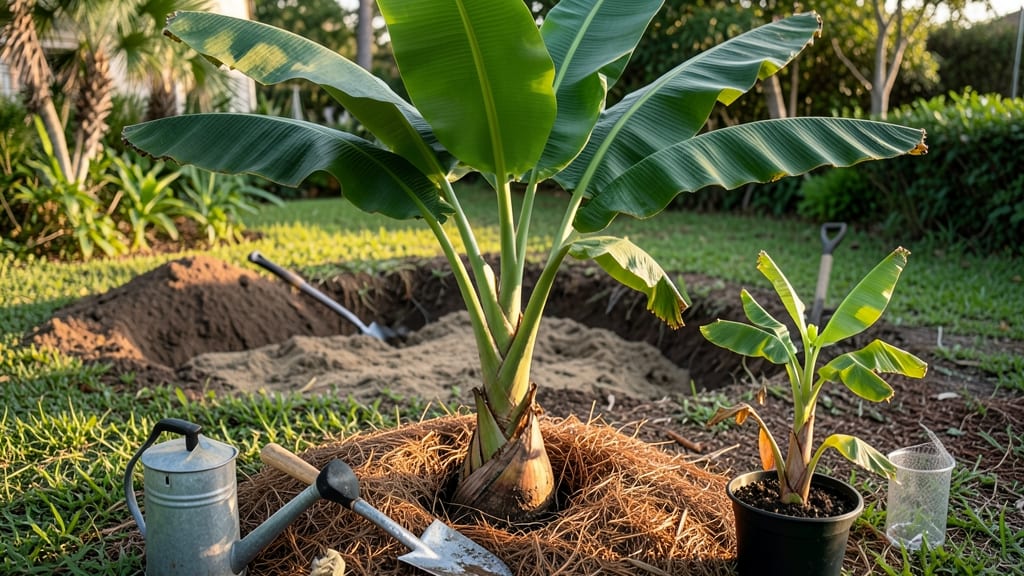
Planting a banana tree 🍌 in Florida might seem simple—after all, the state’s warm climate makes it possible year-round—but timing still matters more than you’d think. Get it wrong, and you’re staring at stunted growth or even failed harvests, no matter how much love you pour into your tropical garden.
Here’s the thing: while Florida’s frost-free zones let you dig in the ground any month, spring and late summer are the sweet spots for maximum success. That’s when soil stays warm enough to encourage strong root development, and humidity levels play nicely with your new plant’s tropical roots.
Whether you’re growing a Dwarf Cavendish for easy harvests or an Ice Cream variety for sweet treats, understanding your local microclimate—especially if you’re in North Florida versus the Keys—can mean the difference between a thriving tree and one that struggles. Let’s break down the best months to plant and why.
You’ll also discover how to prep your soil, spot the perfect signs your timing is ideal, and avoid common pitfalls like waterlogged roots or pest invasions. Ready to grow bananas like a pro? Let’s get started.
Best months to plant banana trees in Florida for maximum success
Florida’s frost-free climate means you can plant banana trees year-round, but timing still matters for optimal growth and fruit production. The best windows are spring and late summer, when temperatures are mild and rainfall supports root establishment.
In spring (March-May), banana trees benefit from rising temperatures and increased sunlight, which kickstart rapid growth. This is ideal for Dwarf Cavendish varieties, which thrive in Florida’s heat but need time to establish before summer’s intensity.
Late summer (August-September) offers another prime planting window. The humidity levels are high, reducing transplant shock, and the soil stays warm for weeks to come. This is perfect for Ice Cream banana varieties, which love warmth but need a head start before winter’s cooler months.
While planting is possible in winter (December-February), growth slows due to cooler temperatures and lower sunlight. Young trees may struggle to establish before spring’s growth surge, but it’s doable in South Florida’s Zone 11, where winters are milder.
| Planting Window | Best For | Temperature Range | Rainfall |
|---|---|---|---|
| Spring (March-May) | Rapid growth, Dwarf Cavendish | 65-85°F | Moderate |
| Late Summer (Aug-Sep) | Ice Cream bananas, high humidity | 80-90°F | High |
| Winter (Dec-Feb) | South Florida only, slower growth | 50-70°F | Low |
Avoid planting during peak summer (June-July) in North Florida, where intense heat and drought conditions can stress young trees. Instead, opt for late summer when rains return and temperatures begin to ease.
For container-grown banana trees, timing is less critical, but spring or fall still offers the best conditions. Containers dry out faster in summer, requiring daily watering, while winter’s cooler temps slow root development.
Pro tip: If planting in North Florida (Zones 8b-9a), choose hardier varieties like the Red Dacca banana, which tolerates slightly cooler temps. In South Florida (Zones 10a-11), tropical varieties like Musa acuminata thrive year-round.
Always check the 7-day weather forecast before planting. Aim for a week with no heavy rains or hurricane warnings, as waterlogged soil can suffocate roots and delay establishment.
Remember, banana trees grow fastest in Florida’s heat, but giving them a gentle start in spring or late summer sets the stage for bountiful fruit production within 12-18 months. 🌱🍌
How Florida’s climate zones affect banana tree planting timing
Florida’s climate varies dramatically from North to South, creating distinct growing conditions for banana trees. In North Florida (USDA Zones 8a-9a), cooler winters mean you’ll need to time plantings carefully, while Central and South Florida (Zones 10a-11) enjoy tropical year-round growth.
Understanding these differences ensures your banana tree thrives without stress from temperature swings or humidity extremes.
In North Florida, where temperatures can dip below 50°F, banana trees are more vulnerable to cold damage even without frost. Planting in late spring (April-May) gives roots time to establish before summer heat arrives, while fall plantings (September-October) avoid winter chill risks.
South Florida’s warm winters allow planting almost year-round, but late summer (August-September) is ideal to avoid hurricane season disruptions.
🌡️ Temperature thresholds are critical: banana trees struggle below 55°F and flourish in 75-90°F. North Florida gardeners should monitor 10-day forecasts before planting—delay if nights drop below 60°F.
South Florida’s consistent warmth means less urgency, but humidity management becomes key to prevent fungal diseases like sigatoka leaf spot.
| Factor | North Florida (Zones 8a-9a) | Central/South Florida (Zones 10a-11) |
|---|---|---|
| Best Planting Window | Late spring (April-May) or fall (Sept-Oct) | Year-round (peak: Aug-Sept) |
| Temperature Risks | Cold snaps below 50°F; use mulch | Hurricane season (June-Nov); secure young trees |
| Soil Prep Focus | Well-draining, compost-amended soil | Sandy loam with organic matter |
| Variety Recommendation | Dwarf Cavendish (hardier) | Ice Cream or Red Dacca (tropical) |
| Watering Adjustments | Increase in summer; reduce in winter | Daily in summer; monitor for root rot |
Microclimates within Florida also play a role—coastal areas stay warmer longer than inland regions. For example, Jacksonville’s (North) banana trees may need winter protection, while Miami’s (South) can grow Dwarf Cavendish outdoors year-round. Always check your local USDA zone and historical lows before planting. In transition zones (like Orlando), container growing offers flexibility to move trees indoors during cold snaps.
One critical mistake is ignoring rainfall patterns. North Florida’s dry winters require supplemental watering, while South Florida’s summer downpours demand elevated beds to prevent waterlogged roots. Both regions benefit from mulching—use straw or pine needles to retain moisture and regulate soil temperature.
For container-grown banana trees, ensure pots have drainage holes and use lightweight potting mix to avoid root suffocation.
🌱 Pro tip: If you live in North Florida, start banana trees indoors in February using grow lights to accelerate growth before transplanting outdoors in April. South Florida gardeners can direct-sow in August to establish roots before the peak fruiting season (October-March).
Always acclimate young trees to outdoor conditions over 7-10 days to prevent transplant shock.