
Plants
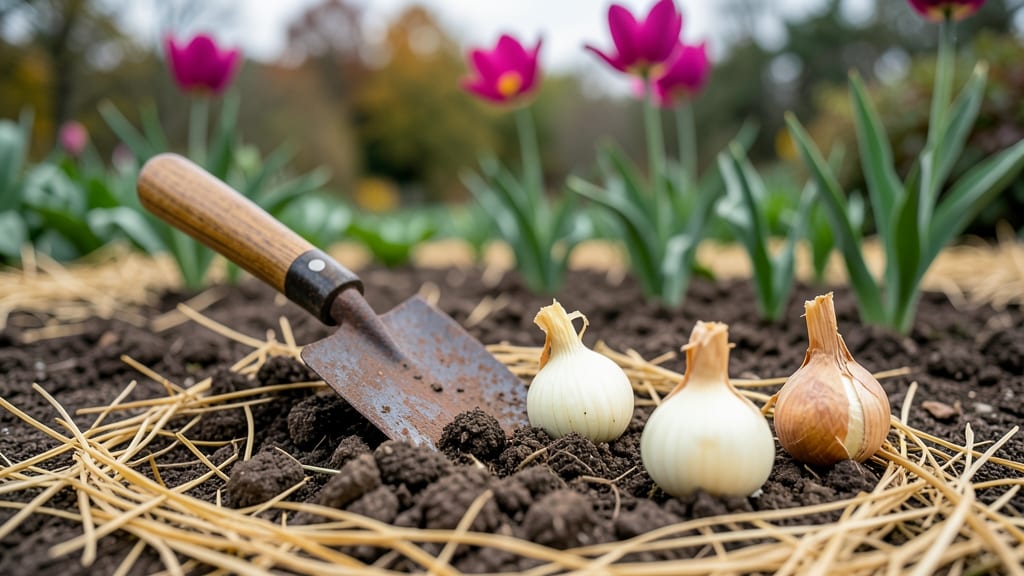
Timing your tulip planting in Georgia isn't just about picking a month—it's about matching varieties to your region's chill hours for blooms that rival the state's famous azaleas.
With Georgia's 7b-8a zones, you've got a narrow window to plant 🌷 tulips before the ground freezes, but getting it right means the difference between vibrant spring displays and disappointing flops.
Most gardeners in Georgia plant tulip bulbs between October and December, but the key is working backward from your first frost date. In Zone 7b, that means aiming for early November, while Zone 8a gardeners have until mid-December.
This timing ensures bulbs establish roots before winter dormancy kicks in.
What you might not realize is that not all tulips thrive equally in Georgia's climate. Some varieties need fewer chill hours than others, and planting them at the wrong time can leave you with weak stems or no blooms at all.
I'll show you exactly which types to choose and how to adjust your planting schedule based on your specific microclimate.
From soil prep to post-planting care, we'll cover everything you need to know to give your tulips the best start—so you can enjoy those iconic spring blooms year after year without the guesswork. Let's get those bulbs in the ground the right way.
Georgia’s chill-hour zones: how to match tulip varieties for reliable blooms
Georgia’s mild winters and variable chill hours (500–1,500+) mean not all tulips thrive equally. The key? Choosing varieties that match your USDA Zone (7b–8a) and chill-hour requirements.
In colder northern Georgia (Zone 7b), traditional Dutch tulips like ‘Parrot’ or ‘Darwin Hybrid’ flourish, while southern Georgia (Zone 8a) demands heat-tolerant hybrids such as ‘Ice Follies’ or ‘Fosteriana’.
Most tulips need 1,000–1,500 chill hours to bloom reliably. Northern Georgia typically meets this, but southern regions often fall short—leading to missed blooms or weak stems. The solution? Plant late-blooming varieties like ‘Red Emperor’ or species tulips (e.g., Tulipa tarda), which require fewer chill hours.
Pro tip: Check your local chill-hour count using the National Oceanic and Atmospheric Administration (NOAA) database. For example, Athens (Zone 7b) averages ~1,200 hours, while Savannah (Zone 8a) sees only ~800. This explains why tulips in Savannah often fail to bloom—unless you choose the right varieties.
Here’s how to decode your zone and pick winners:
| Georgia Region | USDA Zone | Chill Hours | Best Tulip Varieties | Bloom Time |
|---|---|---|---|---|
| North Georgia (e.g., Atlanta, Gainesville) | 7b | 1,000–1,500+ | ‘Darwin Hybrid’, ‘Parrot’, ‘Fosteriana’ | Early–Mid April |
| Central Georgia (e.g., Macon, Columbus) | 8a | 800–1,200 | ‘Ice Follies’, ‘Kaufmanniana’, ‘Greigii’ | Late April–May |
| South Georgia (e.g., Savannah, Brunswick) | 8a–8b | 500–800 | ‘Red Emperor’, ‘Species Tulips’, ‘Fransen’ | May–June (or no bloom) |
If you’re in Zone 8a or warmer, focus on species tulips (e.g., Tulipa tarda) or late-season hybrids like ‘Red Emperor’. These varieties store energy underground and bloom later when temperatures rise.
For northern Georgia, traditional Darwin Hybrids (e.g., ‘Apeldoorn’) are your best bet—they thrive in full sun and cooler winters.
One common mistake? Planting spring-blooming bulbs too early in southern Georgia. The ground may not stay cold enough for roots to establish. Instead, aim for late October–early November planting to align with Georgia’s first frost window (mid-November). This gives bulbs 6–8 weeks of chill before dormancy.
For container gardening in Georgia’s heat, opt for dwarf varieties like ‘Tiny Star’ or ‘Queen of Night’. These handle urban heat islands better and often rebloom if deadheaded. Pair them with mulch (straw or pine needles) to insulate roots during warm spells.
Remember: Even in Georgia, tulips need cold. If your winters are mild but consistent, you can force blooms by chilling bulbs in the fridge for 10–12 weeks before planting. This tricks them into thinking winter has arrived!
🌱
Step-by-step planting timeline for Georgia gardens: when, where, and how deep
Georgia’s fall planting window for tulips spans October through December, but the exact timing depends on your USDA zone (7b-8a) and first frost date. Aim to plant 6-8 weeks before the ground freezes—typically mid-October for Zone 7b and early November for Zone 8a.
This gives roots time to establish before winter dormancy.
For Zone 7b gardens (e.g., Athens, Dahlonega), start planting late September to early October. In Zone 8a areas (e.g., Savannah, Macon), wait until mid-October to November to avoid late freezes. Check your local Almanac’s frost predictions—Georgia’s first frost often arrives mid-November, but early freezes can sneak in.
🌷 Pro Tip: Plant bulbs in well-draining soil with compost mixed in to improve fertility. Avoid heavy clay soils, which can suffocate roots. Test your soil’s pH (6.0–7.0 ideal) and amend if needed.
📅 Step-by-Step Planting Timeline
-
Late September–Early October (Zone 7b)
🌱 Action: Plant bulbs 6–8 inches deep, 4–6 inches apart. Water deeply after planting. -
Mid-October (Zone 8a)
🌱 Action: Follow same depth/spacing. Add 2–3 inches of mulch to insulate bulbs. -
November (All Zones)
❄️ Action: Monitor for early freezes. If frost hits, cover bulbs with straw or leaves. -
December–January
💧 Action: Water lightly if soil is dry. Avoid disturbing bulbs until spring shoots appear.
⏰ Key Deadline: Plant by December 1 to ensure root establishment before winter.
After planting, water deeply once to settle soil around bulbs. Tulips need moderate moisture but hate soggy soil—drainage is non-negotiable. In Zone 8a’s milder winters, bulbs may sprout earlier; protect them with lightweight row covers if temperatures dip below 20°F.
For late freezes (common in Georgia’s transitional climate), plant dwarf varieties like ‘Tiny Star’ or ‘Sugar Pearl’ first—they’re less vulnerable to cold damage. Standard tulips (e.g., ‘Darwin Hybrid’) can handle 25°F but may need mulch in Zone 7b.
Once tulips bloom in April–May, leave foliage until it yellows naturally—this fuels next year’s flowers. Deadhead spent blooms but avoid cutting leaves until they brown. Fertilize lightly in fall (5-10-10) to boost bulb reserves for next season’s blooms.