
Plants
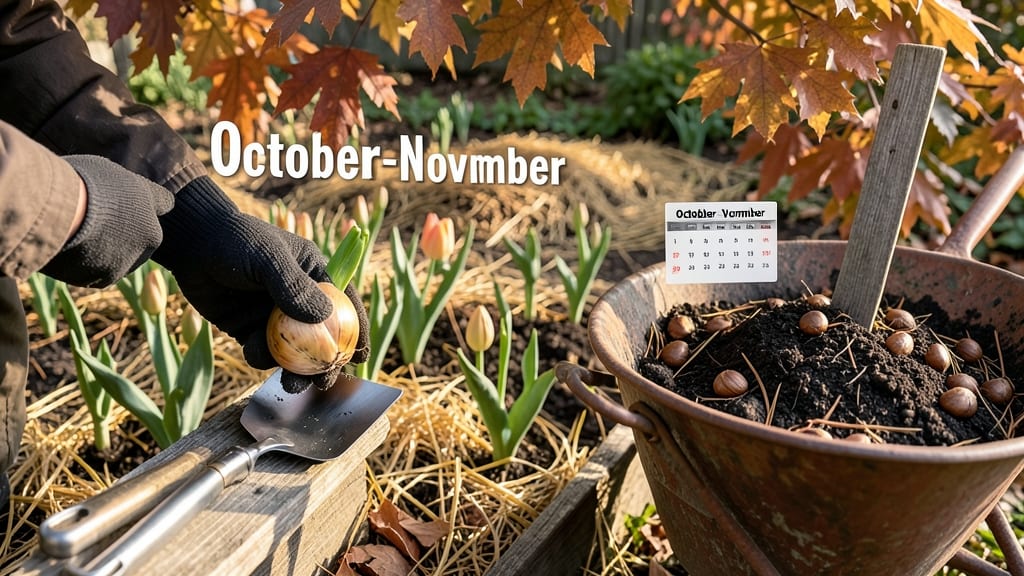
If you've ever wondered when to plant tulip bulbs in Michigan for the most stunning spring blooms, timing is the secret ingredient. Michigan's USDA Zone 5B climate demands precision—plant too early or too late, and your 🌷 tulips might not make it through winter.
The ideal window is narrow but critical, and getting it right means the difference between a garden bursting with color and a missed opportunity.
Most gardeners in Michigan know fall is the time to plant, but exactly when? Between October and November, soil conditions shift dramatically, and missing that window could leave your bulbs vulnerable to frost or rot.
I'll walk you through the exact steps to plant your tulips at the perfect moment, ensuring they thrive even in Michigan's unpredictable weather. No more guesswork—just vibrant, healthy blooms come spring.
Why does timing matter so much? Tulip bulbs need a period of cold to trigger flowering, but they also can't handle soggy soil or late-season warmth.
I'll share the best practices for soil prep, including how to test your Michigan garden's drainage and when to amend it for optimal bulb health. Plus, I'll debunk common myths about spring planting—spoiler: it's not the right move for our climate.
Ready to transform your garden? With the right approach, your tulips will emerge stronger and more vibrant than ever. Let's dive into the game-changer for Michigan gardeners—planting tulips at the perfect time for a show-stopping spring display.
Best planting months for tulip bulbs in Michigan’s zone 5B climate
Michigan’s USDA Zone 5B climate means you’ve got a narrow window—just 6-8 weeks—to plant tulip bulbs before the ground freezes. Missing this window can leave your bulbs vulnerable to winter heaving or rot.
For most of Michigan, that means aiming for mid-October to early November, but timing varies slightly between northern and southern regions.
Northern Michigan (e.g., Traverse City) typically needs to plant by late September to mid-October, while southern areas (e.g., Detroit) can extend planting until early November. The key is to plant when soil temperatures drop to 40-50°F, signaling the bulbs to root before dormancy sets in.
Here’s why timing matters: Tulip bulbs need 4-6 weeks of cool soil to establish roots before winter. Planting too early (e.g., September) risks rot, while planting too late (e.g., December) leaves bulbs exposed to frost heaving.
Michigan’s unpredictable first frost dates (mid-October in the north, late October in the south) make this window critical.
| Region | Ideal Planting Window | Soil Temp Threshold | Risk After |
|---|---|---|---|
| Northern Michigan (Zone 5A) | Late September - Mid-October | 40-50°F | Mid-October (frost heaving) |
| Southern Michigan (Zone 6A) | Mid-October - Early November | 45-55°F | Early November (rot risk) |
| Michigan’s Thumb | Early October - Late October | 50-55°F | Late October (dormancy delay) |
If you’re in a warmer microclimate (e.g., near Lake Michigan), you might push planting to early November, but avoid waiting until December. Bulbs planted after November 15th in most of Michigan risk poor root establishment, leading to weak or no blooms the following spring.
Pro tip: Use a soil thermometer to check temperatures. Aim for 50°F or below before planting. This ensures bulbs root but don’t sprout prematurely. In cold snaps (like Michigan’s infamous October freezes), cover newly planted bulbs with straw mulch to protect them until the ground stabilizes.
What if you miss the fall window? Spring planting is possible in Michigan, but it’s risky. Tulips planted in March or April may bloom the first year, but they’ll often produce weaker flowers and may not return the next season.
For best results, stick to fall planting and plan ahead by ordering bulbs in late summer.
Watch for local frost forecasts—Michigan’s first hard frost can arrive as early as September 20th in the Upper Peninsula or as late as October 20th in southern counties. Adjust your timeline accordingly, and don’t forget to water bulbs deeply after planting to encourage root growth before winter.
Remember, tulip bulbs are perennials, but they thrive best with consistent care. Planting at the right time in Michigan’s Zone 5B ensures they’ll reward you with bold, early-spring blooms year after year.
Best planting months for tulip bulbs in Michigan’s zone 5B climate
Michigan’s Zone 5B climate demands precise timing for tulip bulbs—plant too early, and they’ll rot; too late, and they won’t bloom. Aim for mid-October to early November, when soil temps drop to 50°F (10°C) but before the ground freezes.
This 6-8 week window ensures bulbs establish roots while avoiding winter dormancy too soon.
Northern Michigan gardeners (e.g., Traverse City) should plant by late October due to earlier frosts, while southern areas (e.g., Detroit) can extend to mid-November. Check your last frost date—planting 6 weeks before ensures bulbs root but don’t sprout prematurely.
🌷
Spring planting is not recommended in Michigan—tulip bulbs need a cold dormancy period to bloom. If you miss fall, store bulbs in a cool (35-45°F), dry place until next year. Pro tip: Use a planting calendar or local extension office for your exact frost dates.
Watch for soil freezing—if the ground hardens before bulbs root, they’ll fail. In clay-heavy Michigan soils, plant deeper (8 inches) to insulate bulbs. Mulch with straw or leaves after planting to regulate temps and retain moisture.
🌡️
Even with perfect timing, late frosts can damage emerging shoots. Hardier varieties like 'Darwin Hybrid' tulips tolerate Michigan’s swings better. For guaranteed blooms, plant 1/3 of bulbs in October, 1/3 in November, and stagger varieties for extended color.