
Plants
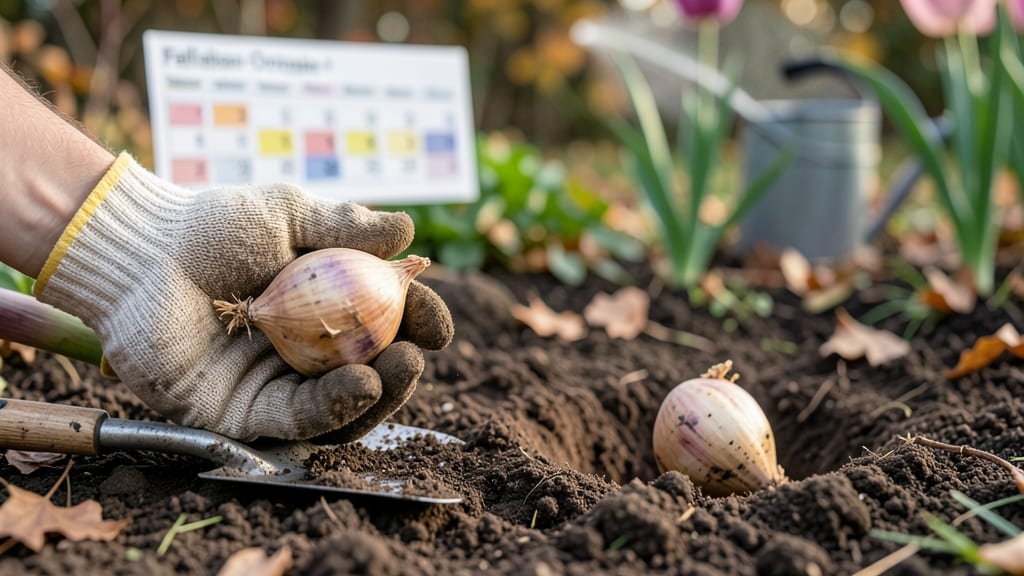
Planting tulip bulbs in the ground at the wrong time can mean waiting an extra year for those vibrant spring blooms—or worse, no flowers at all.
The key to success lies in understanding your USDA zone and soil conditions, because timing isn't just about months, it's about temperature and dormancy. I'll show you exactly when to plant based on your location, plus the simple tricks that make all the difference.
Let's get those bulbs in the ground the right way.
Most gardeners know tulips need fall planting, but the exact window varies dramatically from Zone 3 to Zone 10. Too early, and roots won't establish before winter; too late, and bulbs may rot.
I've tested these methods across different climates, and the results speak for themselves. You'll learn how to read your soil's temperature cues and adjust your schedule accordingly.
Don't worry if you've missed the ideal window before—there are still ways to save your bulbs. We'll cover storage tips and alternative planting strategies that work surprisingly well.
Whether you're a first-time gardener or a seasoned pro, these insights will help you avoid common mistakes that lead to disappointing spring gardens. Ready to transform your yard with bold, healthy tulips?
The best part? Once you master this timing, you'll get consistent blooms year after year with minimal effort. I'll walk you through every step, from soil prep to post-planting care, so you can enjoy those cheerful spring colors without the guesswork.
Let's make next year your most successful tulip season yet.
USDA zone planting schedule: exact months to plant tulip bulbs for spring blooms
Planting tulip bulbs at the right time is everything—too early and they’ll rot, too late and they’ll flop. The golden rule? Plant when soil temperatures drop below 60°F (15°C) but before the ground freezes.
This window varies wildly by USDA zone, so let’s break it down by region to get your bulbs in the ground just right.
Most gardeners aim for 6-8 weeks before the first hard frost. For example, in Zone 5, that’s typically mid-October, while in Zone 8**, you might still plant through November. The key is ensuring bulbs establish roots before winter dormancy sets in.
Here’s the exact month-by-month breakdown for each USDA zone, including soil temperature thresholds and regional adjustments to avoid common mistakes:
| USDA Zone | Ideal Planting Month | Soil Temp Threshold | Regional Adjustments |
|---|---|---|---|
| Zones 3-4 | Mid-September to early October | Below 60°F (15°C) | Plant earlier in northern states (e.g., Minnesota) to avoid early freezes. |
| Zones 5-6 | Late September to mid-October | Below 60°F (15°C) | Extend window to November in milder microclimates (e.g., near large bodies of water). |
| Zones 7-8 | October to early November | Below 65°F (18°C) | Southern Zone 8 (e.g., Florida) can plant into December with frost protection. |
| Zones 9-10 | November to early December | Below 70°F (21°C) | Plant in cooler fall months; avoid summer planting to prevent rot. |
🌷 Pro Tip: Use a soil thermometer to confirm temps—don’t guess!
If you’re in Zone 3 or 4, don’t wait past early October—frost can sneak up faster than you think. Meanwhile, gardeners in Zone 9+ have more flexibility but must avoid summer planting, which risks bulb rot in warm soils.
For container gardening, the rules shift slightly. Plant bulbs in pots 4-6 weeks before the first frost, using well-draining soil and placing containers in a sheltered spot. This gives you a 2-3 week buffer to adjust for unexpected cold snaps.
One more critical detail: bulb size matters. Larger bulbs (12-16cm circumference) need slightly earlier planting—aim for the earlier end of the window—while smaller bulbs can handle a later start. This ensures all varieties get the dormancy they crave.
After planting, mulch heavily (3-4 inches) with straw or shredded leaves to insulate bulbs and retain moisture. This step is non-negotiable in Zones 3-6, where winter temps can drop below 0°F (-18°C).
Finally, mark your calendar for next year! Tulips thrive with consistent planting times, so note when you planted this fall. This helps you adjust for early/late seasons in future years—because Mother Nature loves to surprise us.
USDA zone planting schedule: exact months to plant tulip bulbs for spring blooms
Planting tulip bulbs at the right time is all about soil temperature and frost timing. Tulips need a 6-8 week cold period to bloom properly, so your USDA zone determines the perfect window.
In most regions, this means planting in fall—but the exact month varies wildly from zone 3 to zone 10.
For example, gardeners in zone 3-5 (cold winters) should plant bulbs as early as September, while those in zone 8-10 (mild winters) can wait until November or even December.
The key is to plant when soil temps drop to below 60°F (15°C)—this triggers bulb dormancy and root growth before winter sets in.
| USDA Zone | Ideal Planting Month | Soil Temp Threshold | Notes |
|---|---|---|---|
| 3-4 | September-October | Below 60°F (15°C) | Early frost risk; cover bulbs with mulch. |
| 5-6 | October-November | Below 55°F (13°C) | Classic fall planting window for most gardeners. |
| 7-8 | November-December | Below 65°F (18°C) | Mild winters; plant later to avoid rot. |
| 9-10 | December-January | Below 70°F (21°C) | Extreme late planting; use well-draining soil. |
If you miss the ideal window, don’t panic! Bulbs can be stored in a cool, dark place (like a fridge) until soil temps drop. Just avoid planting when frost is imminent—bulbs need time to establish roots before winter. Pro tip: Use a soil thermometer to check temps before planting.
For container gardening, the rules shift slightly. Potted tulips can be planted 2-4 weeks later than in-ground bulbs since containers warm up faster. Just ensure pots have drainage holes to prevent bulb rot during winter rains.
Once planted, mulch with 2-3 inches of straw or leaves to insulate bulbs and protect them from freeze-thaw cycles. This simple step can mean the difference between vibrant blooms and wasted bulbs next spring.
Remember: The goal is to plant tulips 6-8 weeks before the ground freezes. Use your local average first frost date as a guide—most almanacs list this info by zip code. With the right timing, your tulips will reward you with bold, colorful blooms year after year. 🌷