
Plants
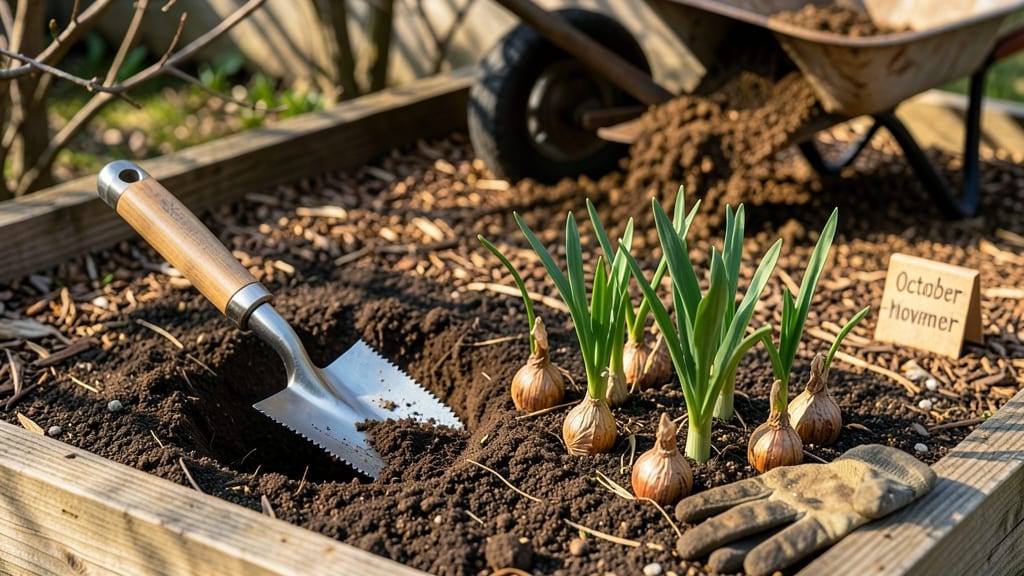
Planting tulips in the ground 🌷 at the wrong time in fall can mean floppy stems or no blooms next spring—but getting the timing right is easier than you think.
The key lies in understanding your USDA zone and soil temperature cues, which determine when those bulbs should hit the ground for perfect root growth before winter.
In zone 6a (like much of the Midwest), your planting window opens in September and stretches through November, but the magic happens when soil cools to 60°F (15°C).
Waiting too long risks frozen soil, while planting too early can lead to bulb rot—both kill your chances of those vibrant spring blooms.
I’ll walk you through the exact weeks to plant by zone, plus three foolproof signs your soil is ready (like leaf color changes and moisture levels). These cues take the guesswork out of timing, so you can focus on enjoying the process instead of stressing over deadlines.
Whether you’re a first-time gardener or a seasoned pro, mastering this fall ritual ensures your tulips will reward you with bold, healthy blooms year after year. Let’s get those bulbs in the ground the right way.
Fall planting timeline by USDA Zone: exact weeks to plant tulip bulbs
Planting tulip bulbs at the right time in fall is everything—too early and they rot, too late and they won’t root before winter. The ideal window is 4-6 weeks before your first frost date, but this varies dramatically by USDA zone.
For example, gardeners in Zone 3 need to plant by early September, while those in Zone 8 can wait until December.
Your goal is to plant when soil temperatures drop to 40-50°F (4-10°C), signaling bulbs to start root growth without sprouting too soon. In northern climates (Zones 3-6), this typically means mid-September to mid-October, while southern zones (7-10) can plant as late as November or even December.
Here’s a zone-by-zone breakdown of your exact planting window, including soil temperature cues and regional adjustments for urban heat islands or microclimates that can shift your timeline by weeks.
If you’re unsure about your first frost date, check the USDA Plant Hardiness Zone Map or use local weather apps like Old Farmer’s Almanac. Pro tip: In Zones 3-6, aim to finish planting by October 15—this gives bulbs 6-8 weeks to root before the ground freezes.
For southern zones (7-10), you can plant later, but avoid December 15 or later—bulbs need 12-16 weeks of winter chill to bloom properly. If your area has mild winters, consider chilling bulbs in the fridge for 8-10 weeks before planting.
One common mistake is planting too early in warm soil, which causes bulbs to sprout prematurely and rot. Always test soil temperature with a soil thermometer—if it’s above 50°F (10°C), wait a week or two.
Conversely, planting too late (after ground freezes) means bulbs won’t root, leading to no flowers next spring.
For container gardening, follow the same zone guidelines but plant bulbs 2-3 weeks earlier—containers cool faster. Use a well-draining potting mix and place pots in a protected location (like a garage) during extreme cold snaps in Zones 3-5.
Remember: Tulips are hardy perennials, but they need consistent winter chill to rebloom. If you live in Zone 10+, treat them as annuals or plant in shaded microclimates to reduce heat stress.
Fall planting timeline by USDA Zone: exact weeks to plant tulip bulbs
Planting tulip bulbs at the right time ensures they establish strong roots before winter. The ideal window is 4-6 weeks before the first frost, but this varies by USDA zone and soil conditions.
In colder zones (3-5), aim for September to early October, while warmer zones (8-10) can plant until November or even December.
Soil temperature is the key factor—tulips need 40-50°F (4-10°C) soil to root without rotting. Use a soil thermometer to check, or look for leaf color changes in nearby plants (like maple leaves turning yellow) as a natural cue.
In Zone 6a, where I garden, I plant mine in late October to avoid early freezes.
| USDA Zone | Planting Window | Soil Temp Goal | Key Cue |
|---|---|---|---|
| Zones 3-5 | September 15 - October 15 | 40-45°F (4-7°C) | First frost in 6 weeks |
| Zones 6-7 | October 1 - November 1 | 45-50°F (7-10°C) | Soil cools below 60°F (15°C) |
| Zones 8-10 | November - December | 50-55°F (10-13°C) | No hard frost risk |
For southern zones (8-10), where winters are mild, plant later—even December is fine if the ground hasn’t frozen. I’ve seen gardeners in Zone 9 plant tulips in January with success, but spring blooms may be delayed. The rule is: plant when soil cools but stays above freezing.
If you miss the ideal window, don’t panic. Tulips can handle light frosts after planting, but avoid hard freezes (below 20°F/-7°C). In Zone 5, I’ve planted as late as mid-November and still gotten blooms, though they might be smaller.
The key is well-draining soil—this prevents rot if roots can’t establish before winter.
Pro tip: Use mulch (2-3 inches) after planting to insulate bulbs and retain moisture. In Zone 6a, I add straw mulch in late November to protect newly planted bulbs from temperature swings. This small step can mean the difference between floppy stems and showstopping blooms next spring.
Remember, tulips need 6-8 weeks of cold dormancy to bloom well. If you plant too early (e.g., August in Zone 5), bulbs may sprout prematurely and get damaged by frost. Always check your local frost dates and adjust accordingly.