
Plants
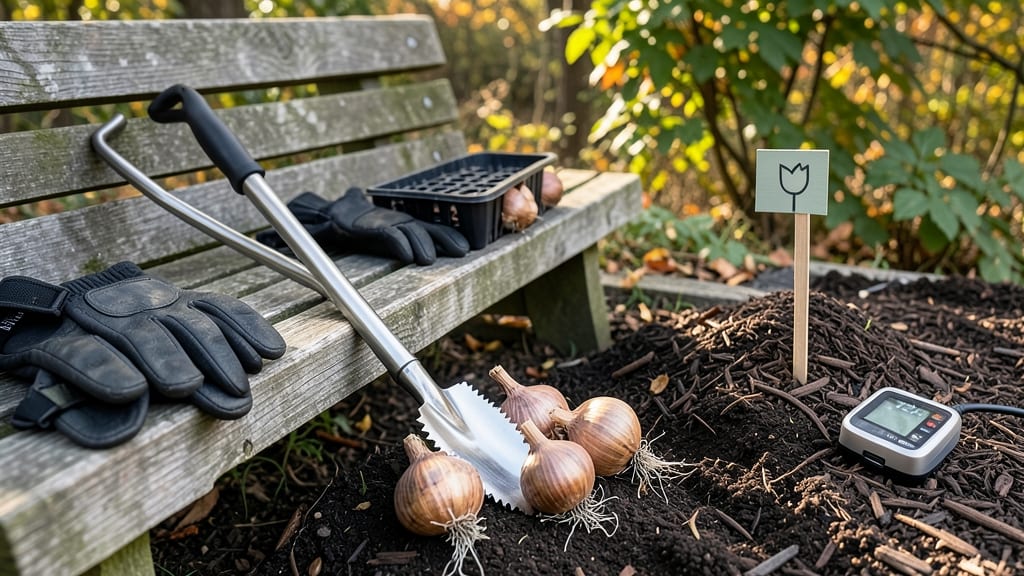
Planting tulip bulbs 🌷 in Alabama might seem tricky with its mild winters, but timing is the key to vibrant spring blooms. Unlike northern states, Alabama’s 7b-8a zones mean bulbs need to go in the ground 6-8 weeks before the first frost—usually between October and December.
Why does timing matter so much? Tulips require a period of cold to bloom properly, but Alabama’s warm spells can throw off the natural cycle. Plant too early, and your bulbs may rot; too late, and they won’t get enough chilling time.
The solution? A strategic window that balances frost risk and soil conditions.
In this guide, I’ll break down the perfect planting window for your Alabama location, whether you’re in Birmingham’s urban heat or the cooler hills of Huntsville. You’ll also learn how to adjust for microclimates and avoid common mistakes that ruin tulip success.
Ready to transform your yard into a springtime showstopper? Let’s dive into the exact steps to plant tulips for bold, long-lasting blooms—no guesswork required.
Alabama’s best tulip planting window by USDA Zone (with frost-date map)
Alabama’s USDA Zones 7b-8a mean tulips need a 6-8 week cold period to bloom—but our mild winters complicate timing. Plant too early, and bulbs rot in warm soil; too late, and they won’t establish roots before frost.
The ideal window spans October through December, aligning with soil temps between 50-60°F.
Northern Alabama (e.g., Huntsville, Zone 7b) has earlier frosts (mid-November), while southern areas (e.g., Mobile, Zone 8a) can plant until early January. Check your last average frost date (typically March 15) to calculate your 6-week planting deadline.
Here’s your zone-specific planting guide with frost dates and soil prep tips:
| USDA Zone | Best Planting Month | Soil Temp Goal | Frost Window | Action |
|---|---|---|---|---|
| 7b (North AL) | October 15–November 15 | 50–60°F | First frost: Nov 15 | Plant by Nov 1 to avoid frost damage |
| 8a (South AL) | November 1–January 10 | 55–65°F | First frost: Dec 15 | Extend window with mulch if planting late |
| Urban Heat Islands | October 1–November 30 | 50–60°F (cooler spots) | Frost 2–4 weeks later | Use shade cloth for early planting |
For Zone 7b, aim to plant by November 1—this gives bulbs 6 weeks to root before frost. In Zone 8a, you can stretch planting until January 10, but prioritize November-December for best results. Use a soil thermometer to confirm temps are below 60°F before planting.
Alabama’s unpredictable frost patterns mean checking the National Weather Service’s frost prediction map is key. If your area experiences a warm December, delay planting until temps drop. Pro tip: Plant dwarf tulips first—they’re less frost-sensitive and can handle later dates.
After planting, cover bulbs with 2–3 inches of mulch (straw or pine needles) to insulate roots. In Zone 8a, you might even see spring blooms the same year if planted in November—just be prepared for shorter stems due to mild winters.
Remember: Tulips need 12–16 weeks of cold to bloom. If Alabama’s winter is unusually warm, consider container planting and moving pots to a garage or shed during heatwaves. This gives you control over the chilling period.
🌷 For maximum blooms, pair tulips with daffodils—they’re more cold-hardy and will bloom even if tulips struggle in mild winters.
How to adjust planting time for Alabama’s microclimates (urban vs. rural)
Alabama’s varied landscapes—from urban heat islands in Birmingham to cooler mountain valleys in Huntsville—create microclimates that shift tulip planting windows by weeks. Urban areas bake faster in fall, while rural spots may hold warmth longer, delaying frost.
Adjusting your timing based on these factors ensures your bulbs get the 6-8 weeks of chilling they need before Alabama’s unpredictable springs.
For urban gardens, where pavement and buildings trap heat, plant bulbs 4-6 weeks earlier (early October) to avoid soil overheating. In rural areas, where nights cool faster, aim for late October to early November.
High-altitude zones like Huntsville (Zone 7a) can push planting to November, while coastal areas like Mobile (Zone 8a) may extend the window into December.
🌷
| Microclimate | Key Factor | Planting Window | Adjustment Tip |
|---|---|---|---|
| Urban Heat Islands | Soil stays 5-10°F warmer | Early October | Plant earlier; mulch heavily |
| Rural Farmland | Cooler nights, slower heat loss | Late October-November | Wait for soil temps <60°F |
| High Altitude (Huntsville) | Frost risk extends later | November | Use cold frames if planting late |
| Coastal (Mobile) | Milder winters, delayed frost | December | Prioritize well-draining soil |
Watch for late-winter warm spells—a sudden 70°F day in February can trick tulips into sprouting too early, only to be fried by a follow-up frost. If this happens, protect emerging shoots with row covers or burlap wraps until temperatures stabilize.
In Zone 8a, where winters are mildest, consider late-summer planting (August) for certain tulip varieties that thrive with minimal chilling.
Pro tip: Test your soil temperature with a thermometer—tulips need 40-50°F soil for root establishment. Urban soils may hit this weeks before rural areas. If your yard’s a mystery, plant a test bulb in early October to gauge local conditions.
🌡️