
Plants
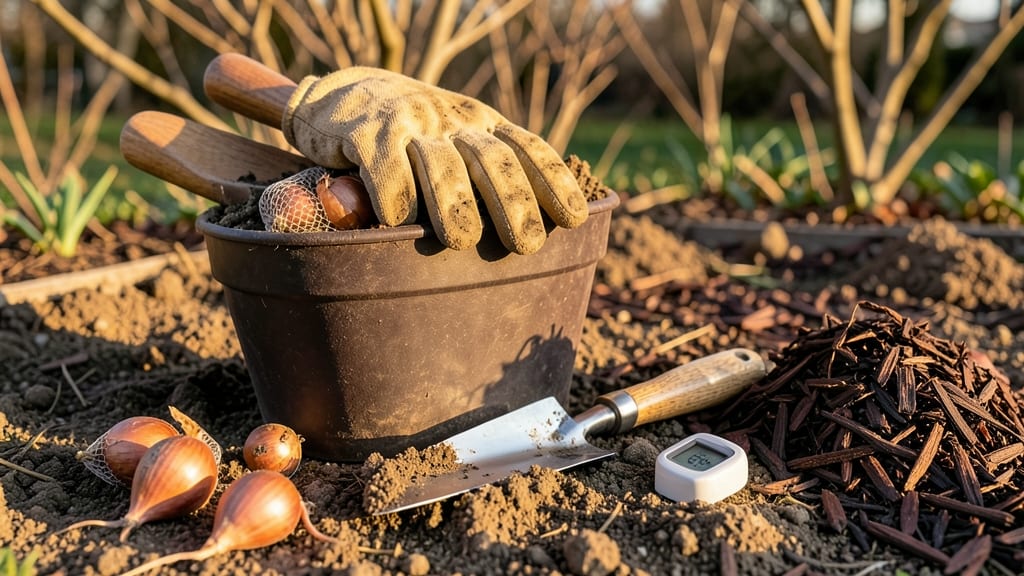
Planting tulips in Texas isn't as straightforward as it is in cooler climates—but with the right timing, you can still grow those stunning 🌷 blooms. The key is understanding your heat zone, since Texas' varied frost dates and scorching summers demand precise planning.
For North Texas gardeners in Zones 7-8, the ideal window stretches from October to December, giving bulbs time to root before winter. Meanwhile, Central and South Texas growers in Zones 8-10 should plant between November and January to avoid summer heat stress.
I'll break down exactly when to plant based on your specific region, plus pro tips for soil prep and bulb selection that work in Texas' challenging climate. Whether you're in Dallas or the Rio Grande Valley, these strategies will help your tulips thrive.
Ready to transform your garden with vibrant spring blooms? Let's dive into the heat-zone-specific schedule that'll make your tulips the star of the show.
Texas heat Zones explained: best planting months by region
Texas spans USDA Zones 7-10, creating dramatic differences in when to plant tulips. In North Texas (Zones 7-8), like Dallas and Fort Worth, you can plant as early as October to avoid summer heat stress.
Meanwhile, Central Texas (Zone 8), including Austin, shifts to November planting, while South Texas (Zones 9-10), like Houston and the Rio Grande Valley, extends planting until January to escape extreme summer heat.
The key is planting 6 weeks before your average first frost. For example, North Texas gardeners should aim for mid-October, while South Texas gardeners can wait until December or January.
This timing ensures bulbs establish roots before summer’s brutal heat arrives. Late planting risks bulb rot or failure to bloom.
Here’s a quick breakdown of Texas regions and their ideal planting windows:
| Region | USDA Zone | Best Planting Month | First Frost Date | Key Notes |
|---|---|---|---|---|
| North Texas | 7-8 | October | December 1 | Cool winters; plant early to avoid summer heat. |
| Central Texas | 8 | November | November 15 | Mild winters; extend planting to early November. |
| South Texas | 9-10 | December-January | January 15 (or none) | Warm winters; plant late to avoid summer heat. |
If you’re in Zone 9 or 10, like the Rio Grande Valley, you might wonder if tulips even survive. The answer is yes, but with adjustments. Plant in December or January and choose heat-tolerant varieties, like Darwin Hybrid tulips, which handle warmer climates better.
These bulbs also benefit from shade cloth during peak summer months to prevent overheating.
Microclimates matter too. Urban areas like Austin or San Antonio can be 5-10°F warmer than rural zones, delaying frost. Use a frost calendar for your specific area—check resources like the Texas A&M AgriLife Extension for localized data. For example, Hill Country regions may have earlier frosts than coastal areas.
Another critical factor is soil temperature. Tulip bulbs need soil temps between 40-50°F to root properly. In South Texas, this often means waiting until late December or even January to plant.
Use a soil thermometer to confirm—planting too early in warm soil can cause bulbs to sprout prematurely and die back in summer heat.
For gardeners in Zone 8 or below, like Lubbock or Amarillo, focus on early October planting. These areas have colder winters and shorter growing seasons, so bulbs need extra time to establish roots before the ground freezes.
Add a 2-3 inch layer of mulch after planting to insulate bulbs and protect them from freeze-thaw cycles.
Pro tip: If you miss the ideal window, don’t despair. You can plant tulips in January in most of Texas, but expect smaller blooms or delayed flowering. The trade-off is avoiding summer heat stress entirely. For reliable blooms, stick to the 6-week rule before your first frost date.
Finally, consider container gardening if your yard lacks ideal conditions. Pots allow you to move tulips to shaded or cooler spots during summer and bring them back to full sun for blooming. Just ensure containers have drainage holes to prevent rot in Texas’ heavy clay soils.
Texas heat Zones explained: best planting months by region
Texas spans USDA Zones 7-10, creating dramatic differences in tulip planting success. In North Texas (Zones 7-8), where winters dip below freezing, aim for October through December—6 weeks before your first frost.
Meanwhile, Central Texas (Zone 8-9) gardeners should plant between November and January, while South Texas (Zone 10) can extend planting until mid-January to avoid summer heat stress.
The key is planting when soil temperatures drop below 60°F (15°C)—this triggers bulb dormancy and root growth before summer’s brutal heat arrives. In East Texas, where humidity spikes, opt for earlier planting (October) to prevent fungal issues.
Meanwhile, West Texas gardeners can push planting to December thanks to drier conditions.
Here’s how Texas’ heat zones break down for tulip planting:
| Region | USDA Zone | Best Planting Window | Key Consideration |
|---|---|---|---|
| North Texas | 7-8 | October–December | Frost risk; plant before Nov 15 |
| Central Texas | 8-9 | November–January | Mild winters; avoid Jan heatwaves |
| South Texas | 10a | November–mid-January | Extreme heat; plant after Dec 1 |
| East Texas | 7b-8a | October–November | Humidity risk; avoid late Nov |
For container gardening in Texas, adjust timing by 2-4 weeks earlier—pots heat up faster and dry out quicker. Use black plastic pots to absorb heat and extend the growing season.
In urban areas like Dallas or Houston, microclimates can shift planting by 1-2 weeks, so monitor local frost dates via Texas A&M AgriLife Extension.
Pro tip: In Zone 10, try Darling tulips or Fosteriana varieties—they tolerate mild winters better than hybrid tulips. For North Texas, Darwin Hybrid tulips thrive in cooler climates and produce larger blooms.
Remember: Tulips need 6-8 weeks of cool soil to establish roots before summer arrives. If you plant too late, bulbs may rot in heat or fail to bloom. Use a soil thermometer to confirm temps are below 60°F (15°C) before planting.