
Plants
When to plant bulbs in North Carolina 🌷 means the difference between a breathtaking spring garden and years of disappointment. Timing your spring flowering bulbs just right ensures the best results—plant too early, and frost will damage tender roots; too late, and your bulbs won’t establish before winter’s chill sets in.
North Carolina’s USDA Zones 7a-8b offer a 6-8 week window for planting—typically from late September through November—but the exact timing depends on your region’s first frost date. In Zone 7a (like the Piedmont), aim for early fall planting, while Zone 8b (Coastal Plain) gardeners can push it closer to December.
Whether you’re planting daffodils, tulips, or crocuses, the key is getting those bulbs in the ground 6-8 weeks before the first frost. That gives roots time to anchor before winter dormancy kicks in. Let’s break down the best months for your specific zone and bulb types.
Ready to transform your yard into a springtime masterpiece? I’ll walk you through the exact planting schedule, soil prep tips, and how to adjust for North Carolina’s unpredictable weather. Your future blooms will thank you!
Best planting months for bulbs in NC’s USDA Zones 7a-8b by type
North Carolina’s USDA Zones 7a-8b offer a perfect climate for bulbs, but timing is critical. Most spring-flowering bulbs like tulips and daffodils need fall planting to establish roots before winter. In Zone 7a (colder winters), aim for September-October, while Zone 8b (milder winters) can extend planting until November.
Summer bulbs like dahlias and cannas, however, go in late spring after frost risk passes.
Soil temperature is your best guide—plant when soil cools to 60°F or below but before the ground freezes. In Raleigh (Zone 7b), this is typically mid-October, while Asheville (Zone 7a) may need planting by late September.
Coastal areas like Wilmington (Zone 8a) can plant until early November safely.
Here’s a quick reference for NC’s most popular bulbs and their ideal planting windows:
| Bulb Type | Best Planting Month | Zone 7a Adjustment | Zone 8b Adjustment |
|---|---|---|---|
| Tulips | October | Plant by late Sept | Plant until Nov 15 |
| Daffodils | October-November | Plant by Oct 15 | Plant until Dec 1 |
| Hyacinths | October | Plant by Oct 1 | Plant until Nov 10 |
| Crocus | September-October | Plant by Sept 30 | Plant until Nov 1 |
| Dahlias | April-May | Wait until after last frost | Plant by May 15 |
| Alliums | October | Plant by Oct 15 | Plant until Nov 1 |
For spring-planted bulbs like gladiolus or caladiums, wait until soil warms to 65°F+. In Zone 8b, this is usually late March-early April, while Zone 7a may need to wait until mid-April.
Always check your local last frost date—NC’s varies wildly from March 15 (coastal) to April 15 (mountains).
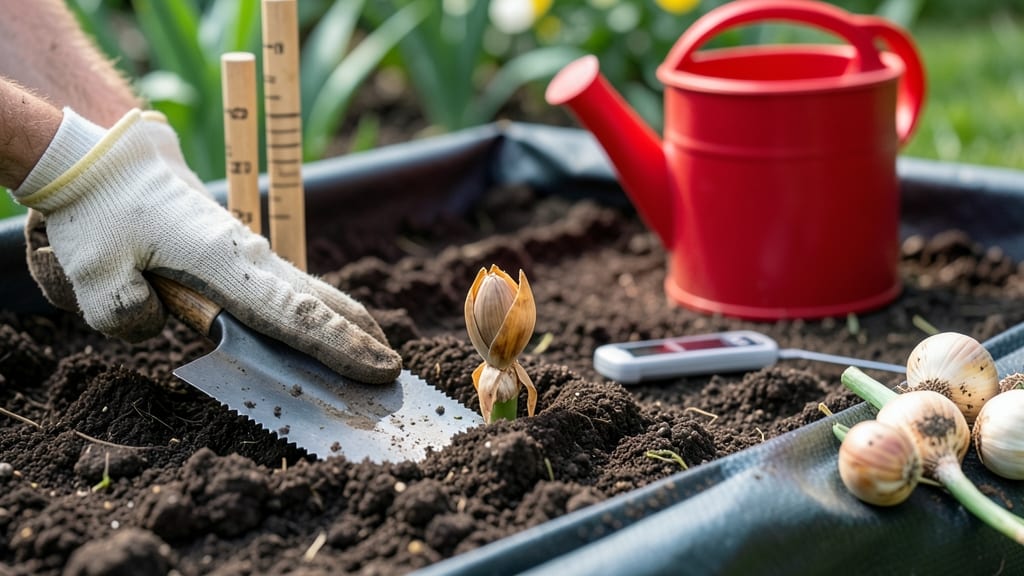
Pro tip: Use a soil thermometer to confirm readiness. Bulbs need 6-8 weeks of cool soil to root before winter.
If you’re unsure, err on the earlier side—bulbs planted too late may not establish roots before frost. NC’s unpredictable weather makes timing tricky, so monitor forecasts for unseasonable warmth or early freezes.
Don’t overlook soil preparation. Amend heavy clay soil with compost or sand to improve drainage—a common issue in NC’s Piedmont region. Add a 1-inch layer of mulch after planting to insulate bulbs and retain moisture. This is especially important in Zone 7a, where winters can be harsh.
If you miss the fall window, spring planting is still possible for many bulbs. For example, tulips can be planted in February-March, but they may bloom later and produce fewer flowers. Daffodils are more forgiving and can handle spring planting, though they’ll establish slower. Always water <
How to adjust planting timing for early vs. late NC winters
North Carolina’s USDA Zones 7a-8b create a 4-6 week difference in ideal planting windows—so your Zone 7a gardeners should plant 4 weeks earlier than those in Zone 8b.
For example, if your first frost arrives November 15 in Zone 7a, aim to plant by October 1 to give roots time to establish. In milder Zone 8b, where frost hits December 1, you’ve got until November 15 without rushing.
Use your local last frost date as your guide. In Zone 7a (mountains), that’s often April 15, while Zone 8b (coastal) may see frost-free conditions by March 15. Planting 6-8 weeks before your first frost ensures bulbs like tulips and daffodils develop roots before winter dormancy.
Soil temperature matters more than air temperature. Use a soil thermometer to confirm 60°F—the magic number for root growth. In Zone 7a, soil may hit this by mid-September, while Zone 8b could wait until late October.
If soil stays above 60°F into November, delay planting to avoid rot-prone conditions.
- Zone 7a (Mountains): Plant September 15-October 15—soil freezes by November 15. Use extra mulch (3-4 inches) to protect bulbs.
- Zone 7b (Piedmont): Plant October 1-November 1. Soil stays workable 2 weeks longer than Zone 7a.
- Zone 8a (Coastal): Plant October 15-November 15. Frost is unpredictable—monitor forecasts.
- Zone 8b (Outer Banks): Plant November 1-December 1. Mild winters allow late-season blooms if planted early.
Unpredictable NC winters? No problem. If your area experiences early frosts (like Zone 7a in 2022), shift planting to August-September for crocus and snowdrops, which tolerate cooler soils. For late frosts (common in Zone 8b), delay until December—just ensure soil temps stay above freezing.
Watch for soil moisture too. NC’s rainy autumns can turn planting holes into mud pits. Amend soil with compost or sand to improve drainage, especially in clay-heavy Piedmont soils. A well-draining site prevents bulb rot, even in Zone 7a’s colder winters.
Finally, spring-planted bulbs (like caladiums) follow a different rule: wait until after your last frost (usually mid-April in Zone 7a, March in Zone 8b). Use black plastic mulch to warm soil faster in cooler zones.