
Plants
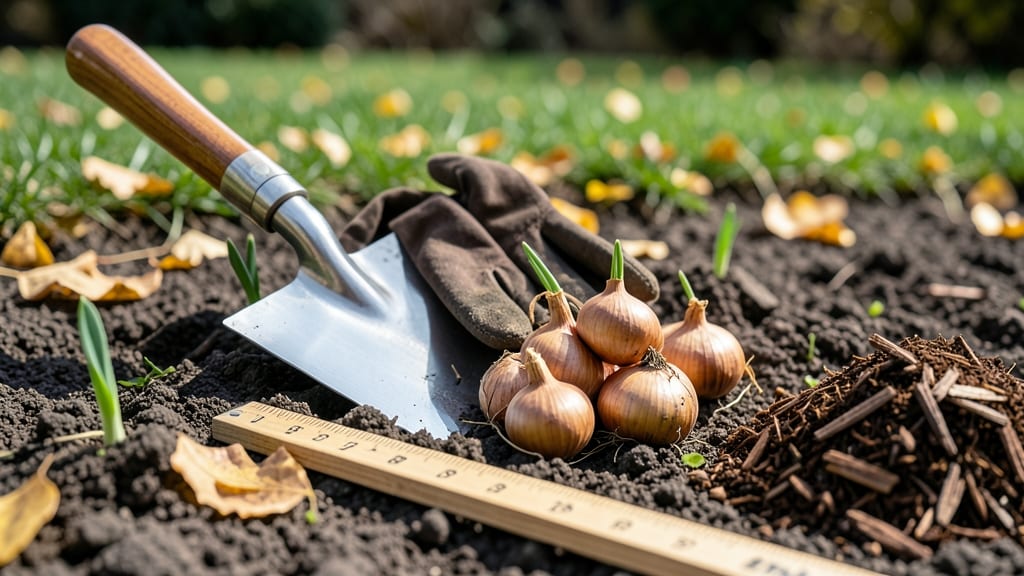
Planting tulips in North Carolina at the wrong time could mean frost-nipped blooms—or worse, no flowers at all. The perfect window is between October and December, but your exact timing depends on whether you're in the cooler mountains or the milder coastal plains.
Why does this matter? Unlike northern states, North Carolina’s USDA zones 6b-8a experience wildly different frost dates, from November in the Piedmont to December in the Outer Banks. Plant too early, and your bulbs might sprout before winter sets in; too late, and they won’t root before the ground freezes.
I’ll break down the zone-specific deadlines you need to know—plus soil prep tricks and mulching hacks—to ensure your 🌷 tulips burst into color next spring, no matter where you garden in the Tar Heel State.
Ready to avoid the most common mistakes? Let’s get your tulips in the ground at the ideal moment for bold, frost-free blooms—without guessing game.
North Carolina tulip planting zones & ideal months by region
North Carolina’s diverse climate zones—ranging from USDA Zone 7a in the mountains to Zone 8b along the coast—mean tulip planting dates vary dramatically. To maximize blooms, plant 6-8 weeks before the ground freezes, typically between mid-October and December.
The key is avoiding frost damage while allowing roots to establish before winter dormancy.
In Zone 7a (Mountains), where first frosts often hit by November 1, aim for October planting. Coastal Zone 8b gardeners have until mid-December due to milder winters. Piedmont regions (Zone 7b-8a) fall in between, with November being the sweet spot.
Always check your local frost dates—a quick Google search for "[your city] frost dates" will save you from last-minute stress.
Here’s how to match your region to the perfect planting window:
| Region | USDA Zone | Ideal Planting Month | First Frost Avg. | Key Tip |
|---|---|---|---|---|
| Mountains (Asheville, Boone) | 7a | October | Nov 1 | Use cold-hardy varieties like 'Ice Follies' |
| Piedmont (Raleigh, Greensboro) | 7b-8a | November | Nov 15 | Plant after Thanksgiving for best results |
| Coastal Plain (Wilmington, Fayetteville) | 8a-8b | December | Dec 15 | Extend season with early-blooming varieties |
Pro tip: If you miss the ideal window, January planting is still possible in Zone 8b, but bulbs may need extra mulch protection. For Zone 7a, late October is your last chance—don’t wait until November!
Microclimates matter too. Urban areas like Charlotte often stay warmer than rural spots, while elevated gardens freeze faster. Test your soil’s frost depth by pushing a stick into the ground—once it’s 4-6 inches deep, it’s time to plant.
For longer blooming seasons, mix early (e.g., 'White Dream'), mid (e.g., 'Apeldoorn'), and late (e.g., 'Black Parrot') varieties. This staggered approach ensures April-May color without gaps. Just remember: cooler zones favor early bloomers, while warmer zones can handle later varieties.
One common mistake? Planting too early in Zone 8b. Tulips need chill hours to bloom, but if planted in September, they may sprout too soon and get fried by summer heat. Aim for 60-70 days before frost—this gives roots time to anchor without triggering premature growth.
Finally, soil temperature is your secret weapon. Use a soil thermometer to confirm it’s below 60°F before planting. In Zone 7a, this usually happens by mid-October; in Zone 8b, it might wait until November. Patience here prevents rot and mold.
With these zone-specific dates and a little local know-how, your tulips will thrive year after year—no matter where you garden in North Carolina. 🌷
North Carolina tulip planting zones & ideal months by region
North Carolina spans USDA zones 7a-8b, creating a unique challenge for tulip growers. The Piedmont region (7a-7b) has earlier frosts, while the Coastal Plain (8a-8b) enjoys milder winters. The Mountains (6b-7a) face shorter growing seasons. Your planting window must align with these variations to ensure frost-free root establishment.
For most of North Carolina, October through December is the ideal planting window. However, gardeners in Zone 8b (Coastal Plain) can extend planting into early January without frost risk.
The key is planting 6-8 weeks before the ground freezes, which typically occurs between November 1 and December 15, depending on elevation.
Here’s how to match your region to the perfect planting time:
If you’re in Zone 7a (Piedmont/Mountains), prioritize planting by November 15 to avoid frost damage. In Zone 8b (Coastal Plain), you can push planting into early January, but aim to finish by January 10 for best results.
Use your local Cooperative Extension Service for precise frost dates in your area.
For gardeners in transitional zones (e.g., Raleigh or Asheville), consider planting early October for a two-phase bloom. Plant half your bulbs in October and the rest in November to extend your tulip season from late April to early May.
Always check soil temperatures—tulips need soil at 40-50°F (4-10°C) to root successfully. Use a soil thermometer if unsure. In colder microclimates, mulch heavily after planting to insulate bulbs.
🌷