Plants
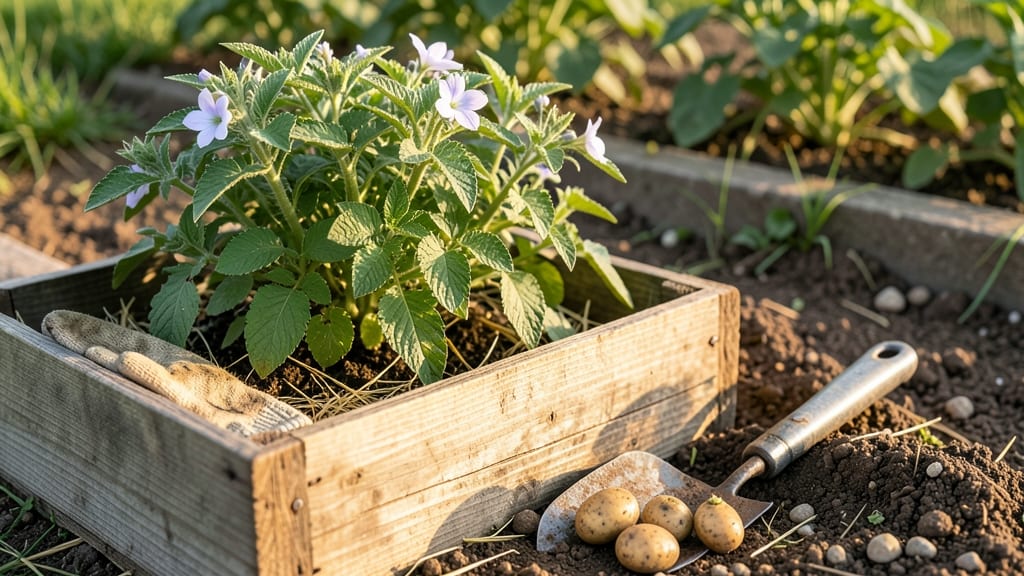
When is the best time to plant the potatoes in North Carolina? Timing your planting can mean the difference between a bumper crop and a total flop. With frost dates shifting from March 15 in the mountains to April 15 near the coast, getting it wrong means risking your harvest before the tubers even form.
I’ve grown potatoes across USDA zones 7a-8b for years, and the secret isn’t just waiting for the calendar—it’s reading your soil and weather. Plant too early, and a late frost will turn your sprouts to mush. Too late, and you’ll miss the 90-day window before summer heat stresses your plants.
Here’s what I’ve learned: The best time to plant in North Carolina depends on your county, your variety, and whether you’re aiming for a spring or fall harvest.
Whether you’re in the Piedmont’s rolling hills or the coastal plains’ humidity, I’ll break down the exact windows—and how to adjust for early bloomers like ‘Yukon Gold’ or late-season workhorses like ‘Red LaSoda’.
Ready to dig in? Let’s get you planting at the perfect moment for zero-frost success, so you’re harvesting fluffy, disease-free potatoes by early summer—or even a second crop in fall.
North Carolina planting zones & county-specific potato planting dates
North Carolina’s diverse USDA zones (5b–8a) mean potato planting times vary dramatically from the mountains to the coast. In Western NC (zones 5b–6a), like Asheville or Boone, frost lingers later, so aim for late March to early April.
Meanwhile, Eastern NC (zones 7b–8a), such as Wilmington or Jacksonville, enjoys earlier planting as early as February 15—just 2–4 weeks before the last frost.
Soil temperature is your true planting cue: potatoes thrive when soil hits 45°F (7°C). Use a soil thermometer to confirm readiness—cold soil delays sprouting, while warm soil (50°F+) speeds up growth.
In Central NC (zones 7a–7b), like Raleigh or Greensboro, this typically aligns with mid-March.
Here’s how to align your planting with local frost-free averages and county-specific windows for zero-frost success:
| Region | USDA Zone | Last Frost Date | Ideal Planting Window | Soil Temp Threshold |
|---|---|---|---|---|
| Western NC (Asheville, Boone) | 5b–6a | April 1–15 | Late March–Early April | 45°F+ |
| Central NC (Raleigh, Greensboro) | 7a–7b | March 15–30 | Mid-February–Mid-March | 45°F+ |
| Eastern NC (Wilmington, Jacksonville) | 7b–8a | February 28–March 15 | February 15–March 1 | 45°F+ |
| Coastal NC (Outer Banks, Morehead City) | 8a–8b | February 1–15 | January 20–February 10 | 45°F+ |
| Piedmont NC (Charlotte, Winston-Salem) | 7a–7b | March 10–25 | Late February–Early March | 45°F+ |
For second plantings in late summer, aim for July 1–15 in zones 7a–8a. This extends your harvest into fall (September–October), but use early-maturing varieties like ‘Red LaSoda’ (60–70 days) to avoid frost. In cooler zones (5b–6a), stick to one spring planting—fall plantings rarely mature before frost.
Pro tip: Check your local cooperative extension service for hyper-local frost data. For example, Mount Mitchell (zone 5b) can have frost as late as May 1, while Hatteras Island (zone 8a) rarely sees frost after January 15. Adjust your timeline accordingly!
Once you’ve nailed your planting window, soil prep is critical. Potatoes hate compacted or rocky soil, so amend with compost or aged manure to loosen the earth.
Aim for 6–12 inches of depth for healthy tuber formation. In sandy soils (common in Eastern NC), add organic matter to retain moisture.
If you’re in a transition zone (e.g., zone 6b), like Lenoir or Wilkesboro, consider row covers for an extra 2–3 weeks of frost protection. This buys time for late-starting varieties like ‘Kennebec’ (1
How to adjust planting time for early vs. late potato varieties in NC
North Carolina’s diverse climate zones mean you can grow early-season potatoes like ‘Yukon Gold’ or late-maturing russets like ‘Kennebec’, but timing varies by USDA zone.
In Western NC (zones 6b-7a), cooler springs delay planting until mid-March, while Eastern NC (zones 7b-8a) allows February starts for faster varieties. The key? Match your potato type to your last frost date.
For early varieties (60–90 days to harvest), aim to plant 4–6 weeks before your average last frost.
In Raleigh (zone 7b), that’s mid-February for ‘Red LaSoda’, while Asheville (zone 7a) waits until late March to avoid frost damage. Mid-season varieties like ‘Kennebec’ (90–110 days) need late March–early April starts to mature before summer heat.
In humid Eastern NC, choose blight-resistant varieties like ‘Atlantic’ and plant earlier to avoid late-summer diseases. For Western NC’s cooler climate, extend the season with row covers or cold frames—plant early potatoes in March and harvest by June before pests peak.
Best for: Fast harvests, cooler zones
Plant: 4–6 weeks before last frost
Examples: ‘Yukon Gold’, ‘Red Norland’
Tip: Ideal for February–March in Eastern NC
Best for: Storage, larger yields
Plant: Late March–early April
Examples: ‘Kennebec’, ‘Russet Burbank’
Tip: Avoid planting after May 1 in most zones
Best for: Fall harvests, cooler climates
Plant: Late April–May (for fall harvest)
Examples: ‘Purple Viking’, ‘German Butterball’
Tip: Use row covers in Western NC
To extend your growing season, try a second planting in late June for fall harvests. In Eastern NC (zones 7b–8a), this works for ‘Sweetheart’ fingerlings, while Western NC may only succeed with row covers.
Always test soil temps—potatoes need 45°F+ to sprout, and 50°F+ for optimal growth.
Pro tip: Chit your seed potatoes (sprout them indoors) 2–3 weeks before planting to jumpstart growth in cooler zones. Store them in a bright, cool spot (60°F) with light exposure to encourage early sprouting. This shaves 10–14 days off your growing timeline!
For Western NC’s high elevations, like Boone (zone 6b), plant ‘Early Rose’ in late March and use black plastic mulch to warm the soil faster. In coastal areas like Wilmington (zone 8a), you can even plant year-round with successive crops every 6–8 weeks.