
Plants
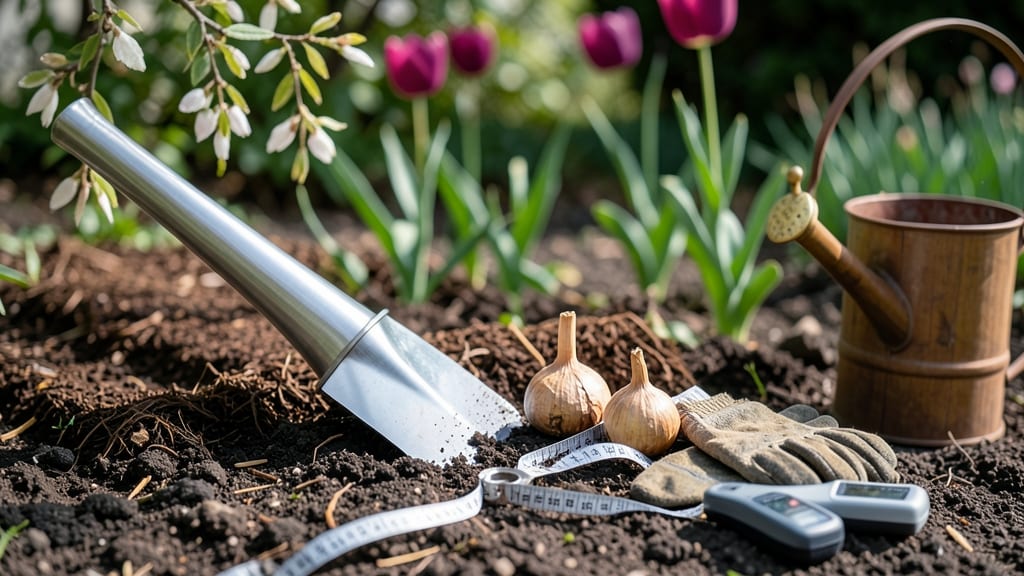
Planting tulip bulbs 🌷 in North Carolina isn’t just about grabbing a shovel in fall—it’s a chill-hour science experiment that determines whether your garden bursts into color next spring or fizzles out.
With our mild winters in zones 7a-8b, timing matters more than you’d think: plant too early, and bulbs rot; too late, and they miss the critical cold snap that triggers blooms.
Most gardeners assume "fall planting" means October, but in North Carolina’s variable climate, the real magic happens between mid-October and December. That’s when soil temps drop to 50°F or lower, signaling bulbs to root before winter dormancy.
Skipping this window could leave you with half-hearted stems—or worse, no tulips at all.
Here’s the game-changer: not all tulips thrive equally in our zones. Darwin hybrids and Fosteriana varieties, for example, handle our shorter chill periods better than delicate Dutch types.
I’ll break down the exact months to plant based on your specific zone, plus soil prep tricks to ensure your bulbs survive and shine.
Ready to transform your North Carolina garden into a springtime showstopper? Let’s dive into the perfect planting schedule, variety picks, and pro tips to outsmart our unpredictable winters—so you can enjoy bold blooms by May.
North Carolina’s optimal tulip planting timeline by chill-hour zones
North Carolina’s USDA Zones 7a–8b create a unique challenge for tulip growers. Unlike colder regions, NC’s mild winters require precise timing to ensure bulbs get enough chill hours (32–45°F) for blooming.
Plant too early, and bulbs rot; too late, and they’ll fail to flower. The key? Align planting with your specific zone and variety needs.
Most NC gardeners should plant tulip bulbs between mid-October and December, but the exact window depends on your last frost date and chill-hour requirements.
For example, Zone 7a (western NC) can plant as late as early December, while Zone 8a (coastal areas) must plant by mid-November to avoid winter warmth disrupting dormancy.
Here’s the golden rule: Aim to plant bulbs 6–8 weeks before the ground freezes. In most of NC, that means October 15–November 15 for peak success. Use your local cooperative extension service for precise frost dates—NC State Extension is a fantastic resource.
Your tulip bulbs need 12–16 weeks of cold exposure to bloom. In NC’s warmer zones, this means earlier planting (September–October) for varieties requiring more chill hours, like ‘Darwin Hybrid’ tulips. Conversely, Fosteriana tulips (with fewer chill needs) can wait until November.
Soil temperature also matters. Bulbs should go into cooler soil (60°F or below). In NC’s Zone 7–8, soil temps drop below 60°F by mid-October in the mountains and late October on the coast.
Use a soil thermometer to check—planting too soon in warm soil can trigger early sprouting and rot.
| Zone | Planting Window | Chill Hours Needed | Best Varieties | Soil Prep Tip |
|---|---|---|---|---|
| 7a (Mountains) | Mid-October–December 1 | 12–16 weeks below 45°F | Darwin Hybrids, Parrot Tulips | Add compost for drainage |
| 7b (Piedmont) | October 15–November 15 | 10–14 weeks below 40°F | Fosteriana, Greigii | Mulch after planting |
| 8a (Coastal) | September 15–November 1 | 8–12 weeks below 40°F | Early Star, Red Emperor | Raise beds for warmth |
| 8b (Southeast) | September–October 15 | 6–10 weeks below 40°F | Apeldoorn, Kaufmanniana | Use black plastic mulch |
For Zone 7a gardeners (western NC), focus on Darwin Hybrid tulips—they thrive with NC’s longer chill periods and produce bold, late-spring blooms. In Zone 8a (coastal areas), opt for early-blooming varieties like ‘Red Emperor’ or ‘Apeldoorn’ to beat the heat.
These varieties tolerate shorter chill periods and still deliver stunning color.
Pro tip: If you’re in a microclimate (like a valley or urban heat island), plant bulbs 2–3 weeks earlier than the general guideline. Use a minimum-maximum thermometer to track your specific chill hours—aim for at least 600 hours below 45°F for reliable blooms.
After planting, mulch with 2–3 inches of straw or leaves to insulate bulbs from temperature swings. In NC’s Zone 8, this step is critical—winter warmth can wake bulbs too soon. Remove mulch in early spring once shoots appear to prevent rot.
Timing isn’t just about the calendar—it’s about matching your bulbs to NC’s climate quirks. With the right variety and planting window, your tulips
North Carolina’s optimal tulip planting timeline by chill-hour zones
North Carolina’s climate—spanning USDA Zones 5b through 8a—means your tulip planting window isn’t one-size-fits-all. In Zone 7a (eastern NC), aim for October 15–November 15, while Zone 8a (coastal areas) can wait until November 1–December 1.
The key? Planting 4–6 weeks before the first hard frost (typically November 15 in most areas) ensures bulbs establish roots before winter dormancy.
Tulips need chill hours (0–30°F) to bloom, and NC’s mild winters can be tricky. Early-blooming varieties like ‘Fosteriana’ (red) or ‘Greigii’ (striped) thrive with fewer chill hours, while Darwin hybrids (tiger-striped) demand 10+ weeks below 40°F.
Missing this window risks weak or no blooms—or worse, rotting bulbs if planted too early in soggy soil.
| Zone | Planting Window | Chill Hours Needed | Best Varieties |
|---|---|---|---|
| 5b–6a (Mountains) | October 1–November 1 | 12–15 weeks | Darwin Hybrids, Parrot |
| 7a–7b (Piedmont) | October 15–November 15 | 8–10 weeks | Fosteriana, Greigii |
| 8a (Coastal) | November 1–December 1 | 4–6 weeks | Early Species (e.g., ‘Kaufmanniana’) |
For Zone 7–8, late fall (November–December) planting works if your soil drains well. Test your soil’s drainage first: Dig a 12-inch hole, fill it with water, and time how long it takes to drain.
If it’s still wet after 6 hours, amend with compost or sand to prevent bulb rot. Organic matter (like leaf mold) also improves moisture retention without suffocating roots.
Pro tip: Use a planting depth gauge to bury bulbs 6–8 inches deep, with the pointy end up. Space them 4–6 inches apart for dwarf varieties, 6–8 inches for standard types.
In Zone 8a, add a 2–3 inch mulch layer of straw or pine needles after planting to insulate bulbs from erratic temperature swings.
If you miss the fall window, January planting is a backup—just ensure the ground isn’t frozen. Water lightly after planting, then stop watering until spring (tulips need dry dormancy). By March 1, you’ll see shoots—proof your timing was perfect! 🌱
Remember: No chill hours = no blooms. If your NC winter feels too mild, try pre-chilling bulbs in your fridge’s crispier drawer (35–40°F) for 8–12 weeks before planting. This trick mimics winter’s natural dormancy cycle for varieties struggling with NC’s short cold snaps. 🌡️