
Plants
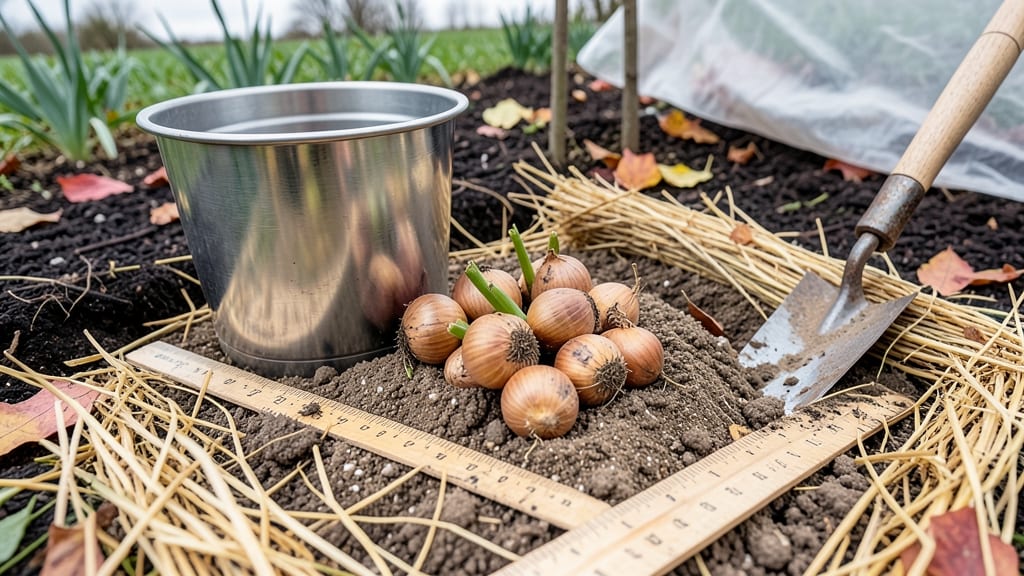
Planting tulip bulbs 🌷 at the wrong time in Australia means skipping spring blooms entirely—and that’s a heartbreaking waste of effort. Unlike northern hemisphere gardeners, Australian gardeners must plant in late autumn to early winter, when soil temperatures drop and summer heat stress fades away.
Timing is everything because tulips need a cool dormancy period to develop strong roots before spring’s vibrant show. In Australia’s warm temperate to subtropical zones, this window is tight: May through July is your best bet. Miss it, and you risk bulbs rotting in summer heat or failing to flower.
But here’s the good news: with the right preparation, you can enjoy stunning tulips year after year. I’ll walk you through the exact planting schedule for your region, soil prep secrets, and even how to extend blooms with layered planting. Let’s get those bulbs in the ground the right way.
Whether you’re in Sydney, Melbourne, or Perth, these tips will help you avoid common mistakes and create a garden bursting with color. Ready to transform your autumn planting into a spring spectacle? Let’s dive in.
Best autumn planting months for tulip bulbs in Australia’s climate zones
Planting tulip bulbs in Australia requires a different approach than in the northern hemisphere. While northern gardeners plant in fall, Australians must focus on late autumn to early winter when soil temperatures drop below 20°C (68°F).
This timing ensures bulbs establish roots before summer heat arrives, preventing dormancy stress.
Australia’s diverse climate zones—temperate, subtropical, and Mediterranean—each have ideal planting windows. For example, Sydney’s temperate climate allows planting from May to July, while Perth’s Mediterranean zone shifts slightly to June to August to avoid summer dryness.
Soil temperature is critical. Tulip bulbs need 10-15°C (50-59°F) soil temps to root successfully. Use a soil thermometer to check—planting when temps consistently drop below 20°C maximizes success. In warmer subtropical regions like Brisbane, aim for late May to June to beat summer heat.
Frost isn’t a major concern in most Australian tulip-growing regions, but cool nights (below 15°C) signal it’s time to plant. In cooler areas like Canberra, start as early as April if soil is workable. Conversely, in tropical Queensland, avoid planting until July to prevent premature sprouting.
Regional variations matter. For Tasmania, plant from April to May to capitalize on cooler autumns. In Adelaide’s Mediterranean climate, focus on June to July to align with winter rains. Always prioritize well-draining soil to prevent bulb rot, especially in waterlogged winter conditions.
| Climate Zone | Ideal Planting Months | Soil Temp Goal | Key Consideration |
|---|---|---|---|
| Temperate (Sydney, Melbourne) | May - July | 10-15°C (50-59°F) | Cool nights, moderate rainfall |
| Subtropical (Brisbane) | Late May - June | 12-16°C (54-61°F) | Avoid summer heat; plant early |
| Mediterranean (Perth, Adelaide) | June - August | 10-14°C (50-57°F) | Align with winter rains |
| Cooler (Canberra, Tasmania) | April - May | 8-12°C (46-54°F) | Early start for cooler soils |
Missed the ideal window? Don’t panic. Store bulbs in a cool, dry place (like a paper bag in the fridge) until soil temps drop. Pre-chill bulbs for 6-8 weeks to mimic winter conditions, then plant in late autumn.
This trick works for gardeners in warmer zones who need extra time.
For container gardening, plant bulbs in autumn (April-May) and move pots to a shaded spot during summer. This protects roots from heat while maintaining dormancy. Use well-draining potting mix with added perlite to prevent rot.
After planting, mulch with 2-3 inches of straw to insulate bulbs and retain moisture. Remove mulch in late winter to allow sunlight to encourage flowering. In spring, fertilize lightly with a balanced 10-10-10 mix to support blooms.
Timing isn’t just about months—it’s about soil conditions. Wait until rainfall increases and daytime temps stay below 20°C. Use a moisture meter to ensure soil is damp but not soggy before planting. This step is crucial for bulb root development and spring blooms.
Pro tip: Plant dwarf tulip varieties (like ‘Tiny Star’) in late autumn for earlier blooms. These thrive in smaller spaces and often flower by August, adding color to your garden sooner. Pair them with spring bulbs like daffodils for a sequential bloom display.
Signs your soil is ready for tulip bulbs (and what to do if it’s not)
Before you rush to plant those tulip bulbs 🌷, check your soil’s readiness. The right conditions mean the difference between vibrant spring blooms and wasted effort. In Australia’s varied climates, soil temperature, moisture, and drainage play critical roles—especially since we don’t have frost to signal planting time.
Ideal soil for tulips should be cool (10-15°C), well-draining, and slightly moist but not soggy. If your soil is still warm from summer, bulbs risk rotting before they even sprout.
Test by pushing your finger 5cm into the soil—if it feels warm to the touch, wait a few weeks.
Here’s the key: autumn rains signal the perfect window. In most Australian regions, this means May-July, when soil temperatures naturally drop. But if your area had a dry autumn, you may need to water deeply to mimic ideal moisture levels before planting.
🌱 Pro Tip: Use a soil thermometer to check depth—tulip bulbs need consistent cool temps. If your soil is still above 15°C, delay planting or consider raised beds with shade cloth to cool the ground faster.