
Flowers
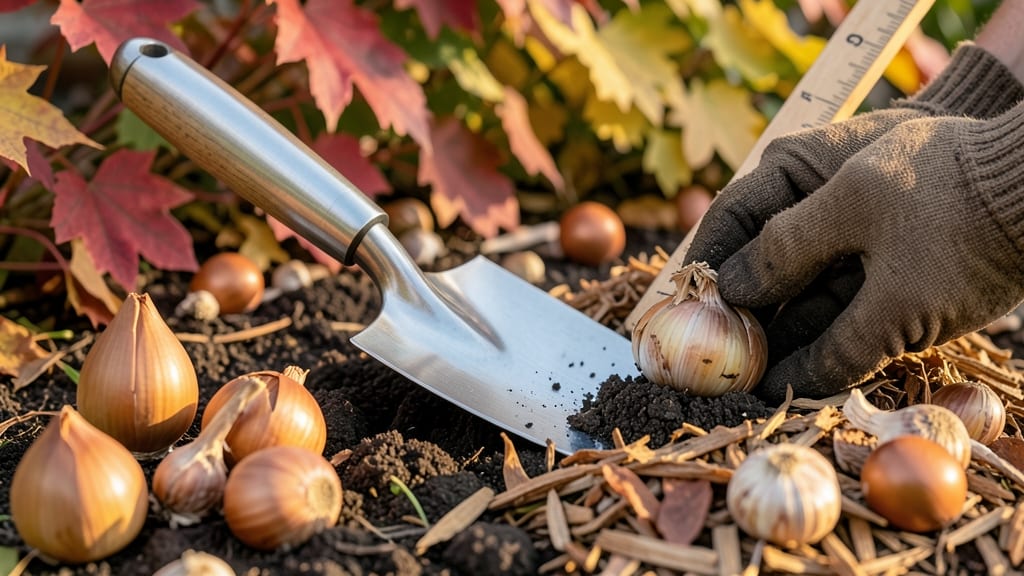
Timing your flower bulbs 🌷 planting in autumn is the secret weapon behind a showstopping spring garden—get it wrong, and you might end up with sparse blooms or no flowers at all. The key lies in understanding your local climate and working with nature’s rhythm, not against it.
For most gardeners in USDA Zone 6a, the sweet spot is 6-8 weeks before the first frost, which typically lands between early September and mid-November. This window gives bulbs like tulips and daffodils time to establish strong roots before winter dormancy kicks in.
Why does timing matter so much? Planting too early risks rotting in warm soil, while waiting too long can leave bulbs vulnerable to freezing before they root.
I’ll walk you through the exact cues to watch for—so you can confidently plant and enjoy that vibrant spring explosion you’ve been dreaming of.
Beyond the calendar, we’ll cover soil prep, depth tricks, and how to layer bulbs for continuous color. Let’s make this your most successful planting season yet!
Optimal autumn planting months for flower bulbs by US hardiness Zone
Planting flower bulbs in autumn gives them time to establish strong roots before winter, ensuring vibrant spring blooms. The best window is typically 6-8 weeks before your first frost date, but this varies dramatically by USDA hardiness zone.
In colder zones (3-5), aim for early September, while warmer zones (8-10) can wait until November. Even a few weeks off can mean the difference between thriving bulbs and ones that rot or fail to bloom.
Soil temperature is your best guide—bulbs need 40-50°F soil to root properly. Use a soil thermometer to check: if it’s consistently below 50°F, it’s time to plant. In zones 6-7, this usually falls in mid-October, while zone 9 gardeners might still be planting in early December.
Pay attention to local frost dates, not just calendar months, since microclimates can shift planting windows by weeks.
Here’s how to align your planting with your zone for tulips, daffodils, hyacinths, and alliums:
| USDA Zone | Ideal Planting Month | Soil Temp Threshold | Key Cue |
|---|---|---|---|
| 3-4 | Early September | 45-50°F | First frost date |
| 5-6 | Mid-September to early October | 50-55°F | Leaf drop on trees |
| 7-8 | td style="padding: 8px; border-bottom: 1px solid #ddd;">October to early November55-60°F | Moon phase (rooting moon) | |
| 9-10 | November to early December | 60-65°F | Daylight hours shorten |
🌱 Pro Tip: In zones 9-10, plant daffodils and alliums first—they tolerate warmer soil better than tulips.
If you’re in a transitional zone (like 7b), split your planting: start with hardier bulbs like daffodils in early October, then add tulips and hyacinths in November.
This staggered approach ensures some blooms even if winter arrives early. Always plant bulbs in well-draining soil, as soggy conditions can cause rot before roots establish.
Missed the window? Don’t panic. In zones 8-10, you can plant bulbs as late as January, though they may bloom later or less vigorously. For zones 3-7, late planting risks frost damage, but you can still try by using mulch (4-6 inches) to insulate the soil.
Just be prepared for smaller flowers or delayed blooming.
For container gardeners, the rules shift slightly. Bulbs in pots can handle slightly later planting (up to 2 weeks after ground planting) because containers warm up faster. However, they’ll need winter protection—move them to a garage or wrap pots in bubble wrap if temperatures dip below 20°F.
Remember, the goal is to get bulbs in the ground before the soil freezes solid. If you’re unsure, err on the earlier side—bulbs planted too late won’t root deeply enough to survive winter.
With the right timing, you’ll reward yourself with a spring garden that pops with color long before annuals even think about blooming.
Optimal autumn planting months for flower bulbs by US hardiness Zone
Planting flower bulbs in autumn gives them time to establish strong roots before winter dormancy—critical for vibrant spring blooms. The ideal window is 6-8 weeks before your first frost date, but exact timing varies by USDA hardiness zone and local climate.
For example, in Zone 3-5, aim for early September to mid-October, while Zone 7-10 gardeners can plant until late November or even December in mild winters.
Soil temperature is your best guide: bulbs need 40-50°F soil to root without sprouting too soon.
Use a soil thermometer to check—if temps drop below 40°F, wait until conditions stabilize. Frost dates are another key marker; planting too late risks bulbs rotting in cold, wet soil before winter sets in.
| USDA Zone | Ideal Planting Window | Soil Temp Threshold | Bulb Examples | Risk if Late |
|---|---|---|---|---|
| 3-5 | Early Sept–Mid-Oct | 40–50°F | Tulips, Daffodils, Hyacinths | Frost heaves, rot |
| 6-8 | Mid-Sept–Late Nov | 45–55°F | Alliums, Crocus, Snowdrops | Weak root growth |
| 9-10 | Oct–Dec (mild winters) | 50–60°F | Lily, Fritillary, Rain Lilies | Sprouting too early |
Regional microclimates add another layer: coastal areas may stay mild later, while inland zones freeze sooner. For example, Zone 7b gardeners in the Pacific Northwest might plant until early December, while those in the Midwest should finish by late October.
Always check your local frost dates and adjust by 2–4 weeks for safety.
Pro tip: Moon phases can influence root establishment. Planting during a waxing moon (when roots grow upward) may encourage stronger root systems. Pair this with well-draining soil—the single biggest factor in bulb success—to prevent rot. Amend heavy clay with compost or sand to improve aeration.
If you miss the ideal window, don’t panic! Late autumn planting (up to 2 weeks before frost) is still better than spring planting, though bulbs may bloom later. For Zone 4-6, aim to finish by October 15th; in Zone 7+, stretch to November 1st.
Just ensure soil temps stay above 40°F and bulbs aren’t sitting in soggy ground.
Remember: Depth matters. Plant bulbs 2–3 times deeper than their height (e.g., 6-inch tulips go 12–18 inches deep). This protects them from frost heaves and ensures consistent spring blooms year after year. 🌱