
Plants
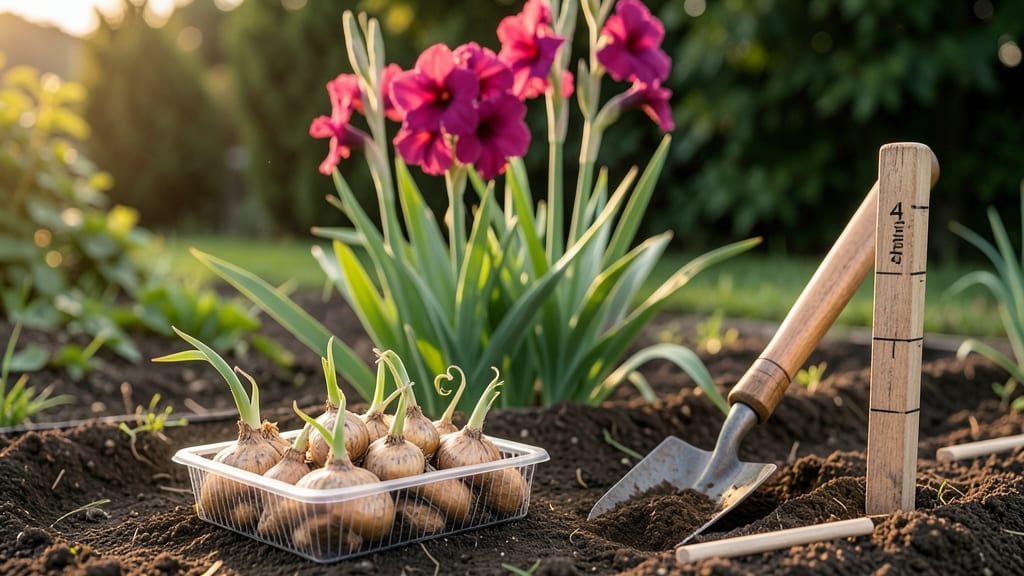
Timing your gladiolus planting in Colorado could mean the difference between vibrant blooms and wasted effort—especially with the state's unpredictable frost cycles. Whether you're in Denver or the high-altitude plains, getting those corms in the ground at the right moment ensures they thrive through summer and into fall.
Most Colorado gardeners wait until after the last frost, typically around mid-April to early June, but elevation plays a huge role. At USDA zones 5-7, you'll need to adjust your schedule based on local frost dates and soil warmth.
The key is planting 4-6 weeks before your area's last expected frost—so if you're in zone 5, aim for early May.
Why does timing matter so much? Gladiolus 🌸 need consistent warmth to germinate, and planting too early risks frost damage, while waiting too long can shorten the bloom season.
I'll walk you through the exact steps to prepare your soil, choose the right varieties, and protect your plants from Colorado's infamous late frosts.
Let's dive into the heat zone-specific planting schedule that'll give you the longest, most stunning gladiolus season possible—no guesswork required.
Colorado heat zone planting dates for gladiolus success
Colorado’s diverse USDA hardiness zones 4-7 create unique challenges for gladiolus growers. Unlike coastal regions, our altitude variations mean frost dates shift dramatically—even within the same county. Planting too early risks cold damage, while waiting too late cuts your bloom season short.
Let’s break down the optimal planting windows by zone to maximize your gladiolus success.
Gladiolus corms thrive when soil temperatures reach 60°F (15°C) consistently. In Colorado’s front range (zones 5-6), this typically occurs between mid-April and early May.
However, gardeners in high-altitude areas (zones 4-5) like Grand Junction or Steamboat Springs should wait until late May to early June when nighttime temperatures stabilize above 50°F (10°C). Using a soil thermometer ensures you plant at the perfect moment.
Here’s how to calculate your local frost-free date: Check the National Weather Service’s climate averages for your specific location, then add 4-6 weeks to determine your planting window.
For example, Denver’s average last frost is April 20, so planting between March 15 and April 15 gives your corms time to establish roots before warm weather arrives.
Colorado’s western slope (zones 5-6) enjoys earlier planting dates due to lower elevations and warmer microclimates.
Areas like Fort Collins or Colorado Springs can start as early as mid-April, while mountain valleys (zones 4-5) like those near Leadville or Durango should delay planting until after Memorial Day to avoid frost damage.
One critical mistake I see Colorado gardeners make is planting too shallow. Gladiolus corms need 4-6 inches of soil coverage to protect them from temperature fluctuations. In high-altitude gardens, add an extra inch of mulch after planting to insulate the corms from daytime warmth and nighttime chill.
This simple adjustment can mean the difference between stunted blooms and vibrant flowers.
For gardeners in zone 7 (southern Colorado), like those in Albuquerque or Pueblo, the window opens even earlier—late March to mid-April. However, even these warmer zones can experience late spring frosts, so always have row covers ready.
Pro tip: Plant a test row of gladiolus 2-3 weeks before your target date to monitor for sprout emergence and adjust timing accordingly.
Gladiolus are annuals in Colorado, meaning you’ll replant corms each year. This gives you flexibility to stagger plantings for extended blooms. For example, plant one-third of your corms in May, another third in early June, and the final third in mid-June.
This strategy ensures continuous blooms from July through September, even if early plantings get nipped by frost.
Soil preparation is just as critical as timing. Gladiolus hate soggy roots, so amend your garden beds with compost or coarse sand to improve drainage. In clay-heavy soils common in eastern Colorado, mix in organic matter to create a loose, well-aerated growing medium.
Test your soil’s pH level—gladiolus prefer 6.0 to 7.0, and adjust with lime or sulfur if needed.
| USDA Zone | Optimal Planting Window | Soil Temp Threshold | Key Considerations |
|---|---|---|---|
| 4 (High Altitude) | Late May - Early June | 60°F+ consistently | Use row covers; delay until after last frost |
| 5 (Mountain Valleys) | Early May - Mid-May | 55°F+ at night | Add mulch for insulation; watch for late frosts |
| 6 (Front Range) | Mid-April - Early May | 50°F+ at night | Stagger plantings for extended blooms |
| 7 (Southern CO) | Late March - Mid-April | 55°F+ consistently | Monitor for late frosts; plant early varieties |
After planting, water deeply but infrequently—gladiolus roots need to establish before they can handle regular moisture. In Colorado’s dry climate, aim for 1 inch of water per week, delivered directly to the base of the plant.
Avoid wetting the foliage to prevent fungal diseases like rust, which thrives in our humid summer afternoons. A drip irrigation system or soaker hose makes this easier and more efficient.
Finally, remember that gladiolus are heavy feeders. Apply a balanced fertilizer (10-10-10
Colorado heat zone planting dates for gladiolus success
Colorado’s USDA zones 5-7 create dramatic differences in gladiolus planting times, with high-altitude areas like Denver (zone 5) needing later starts than lower elevations near Colorado Springs (zone 7).
The golden rule? Plant your gladiolus corms when soil temperatures hit 60°F (15°C)—this ensures strong germination before summer heat arrives.
Most Colorado gardeners align planting with their last frost date, typically mid-April to early June. However, elevation shifts these dates significantly: zone 5 (e.g., Fort Collins) may delay planting until late May, while zone 7 (e.g., Pueblo) can start as early as early April.
Always check your local Almanac frost predictions—a late frost can devastate tender gladiolus shoots.
Here’s the critical timeline: 4-6 weeks before your area’s last frost is ideal. For example, if your last frost is May 15th, plant by April 1st. This window balances frost risk with soil warmth—gladiolus need consistent heat to thrive, but planting too early risks cold-soaked corms that rot.
🌱 Gladiolus Planting Schedule by Colorado Heat Zone
| Zone | Last Frost Date | Planting Window | Soil Temp Goal |
|---|---|---|---|
| 5 (e.g., Fort Collins) | May 15 | April 1 - April 15 | 60°F (15°C) |
| 6 (e.g., Denver) | May 1 | March 15 - April 1 | 60°F (15°C) |
| 7 (e.g., Colorado Springs) | April 15 | February 15 - March 1 | 60°F (15°C) |
*Adjust for microclimates—sheltered areas may plant 2-3 weeks earlier.
For high-altitude gardens (above 7,000 ft), extend your planting window by 2-3 weeks to account for cooler soils. Test soil temperature with a soil thermometer—gladiolus corms won’t sprout until the ground reaches 60°F (15°C).
In zone 5, this often means waiting until late April, even if neighbors in zone 6 start earlier.
Pro tip: Use black plastic mulch to warm soil faster in cooler zones. Lay it down 2-3 weeks before planting to create a microclimate that speeds up germination. This trick is a game-changer for Denver gardeners who face late frosts—it can shave 10-14 days off your planting timeline.
Remember, gladiolus are annuals in Colorado, so focus on planting at the right time each year rather than overwintering corms. With the right timing and soil prep, you’ll enjoy bold blooms from July through September, even in the Rocky Mountains’ challenging climate. 🌸