
Plants
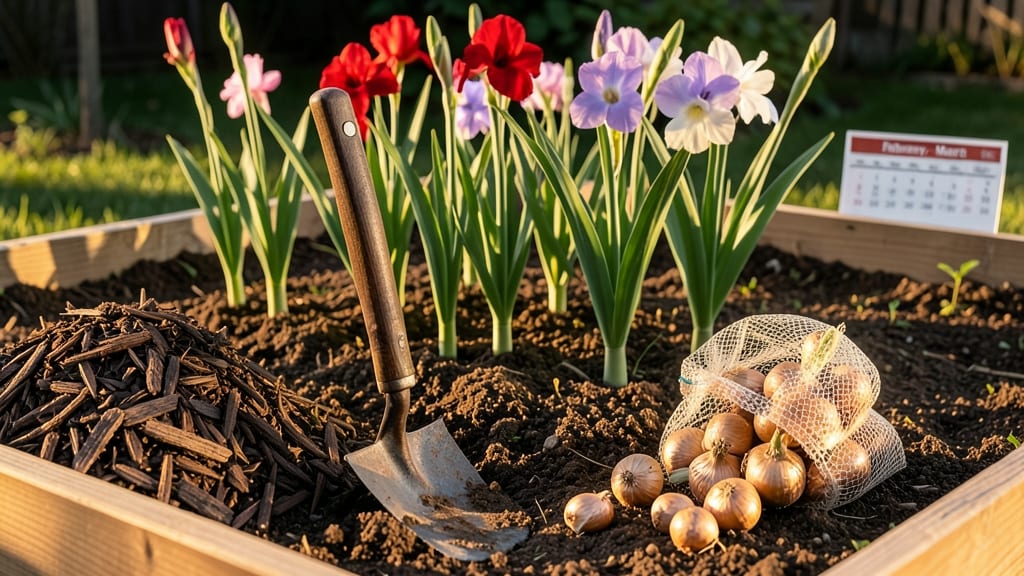
Planting your Gladiolus 🌸 at the wrong time in Florida can mean the difference between show-stopping blooms and sad, wilted stems. Unlike cooler climates, Florida’s heat and humidity demand a precise planting window to ensure these dramatic flowers thrive.
Most gardeners assume spring is the only option, but fall planting actually gives you bigger, more vibrant blooms in Florida’s mild winter months. The key is timing it right—when soil temperatures drop below 85°F in August or September for fall, or wait until February-March for spring.
I’ll walk you through Florida’s unique heat-zone planting calendar, including how to spot when you’ve planted too early or late. You’ll also discover soil prep secrets and watering tricks to keep your Gladiolus thriving in Florida’s challenging climate.
Whether you’re a first-time gardener or a seasoned pro, these insights will help you grow bold, healthy blooms that stand out in any Florida garden. Let’s get started!
Florida gladiolus planting calendar by heat zone: exact months for peak blooms
Florida’s unique climate—with its humid summers and mild winters—means gladiolus thrive year-round if planted at the right time. Unlike northern states, you don’t need to worry about frost, but soil temperatures and rainfall patterns still dictate the perfect window.
The key is planting when soil temps drop below 85°F in fall or rise above 60°F in spring, ensuring robust root growth before extreme heat sets in.
Gladiolus in Florida typically bloom twice a year: spring blooms (April-May) and fall blooms (October-November). Your location within Florida’s heat zones 9a-11 will slightly shift these timelines. For example, North Florida (like Jacksonville) may need to plant a week earlier than South Florida (like Miami) to avoid summer heat stress.
Let’s break it down by season and zone.
| Season | Heat Zone | Best Planting Month | Soil Temp Threshold | Bloom Time |
|---|---|---|---|---|
| Spring | 9a-11 (North FL) | February-March | 60°F+ | April-May |
| Spring | 10a-11 (South FL) | January-February | 65°F+ | March-April |
| Fall | 9a-11 (North FL) | August-September | 85°F- | October-November |
| Fall | 10a-11 (South FL) | July-August | 80°F- | September-October |
🌸 Pro Tip: Use a soil thermometer to confirm temps before planting!
For North Florida gardeners (zones 9a-9b), aim for late February to early March in spring and mid-August to September in fall.
The cooler temps in these areas allow for a slightly longer growing season, but don’t push it past mid-March or late September, or you’ll risk heat stress before blooming.
In South Florida (zones 10a-11), the window is narrower due to year-round warmth. Plant early February for spring blooms and late July for fall. The humidity here demands extra vigilance against fungal diseases, so prioritize well-draining soil and morning watering to keep foliage dry.
If you’re unsure about your heat zone, check the USDA Plant Hardiness Zone Map or use Florida’s University of Florida IFAS Extension tools. Even a few degrees difference can mean the difference between vibrant blooms and wilting corms.
For example, Tallahassee (Zone 8b) can handle a slightly later spring planting than Orlando (Zone 9b), but both should avoid summer heat.
Another critical factor is variety selection. Early blooming varieties like ‘Picasso’ or ‘Green Star’ tolerate slightly warmer soil temps, while late varieties like ‘White Friendship’ need cooler conditions. Mixing both in your garden extends your bloom time from March to November—perfect for Florida’s long growing season!
For container gardening, adjust your timeline by 2-3 weeks earlier since pots heat up faster. Place containers in partial shade during peak afternoon sun (12 PM–4 PM) to protect corms from overheating.
This is especially important in South Florida’s intense summer sun, where soil temps can exceed 95°F.
Finally, don’t overlook moon planting phases if you’re a traditionalist. While science doesn’t fully back it, many Florida gardeners swear by planting gladiolus during the waxing moon for stronger roots. Try it for your fall planting in August-September—you might notice a difference in stem strength!
Signs you’re planting gladiolus too early or late in Florida (and how to fix it)
Planting gladiolus at the wrong time in Florida can lead to stunted growth or even no blooms at all. One of the biggest mistakes I see is planting too early in summer heat, which stresses the corms before they’ve had a chance to establish roots.
If your gladiolus leaves wilt within days of planting, you’ve likely planted too soon—especially if soil temps are still above 85°F.
Another red flag is yellowing leaves or mushy corms after planting. This usually means your soil is too wet or the corms rotted from overwatering in Florida’s humid climate.
If you notice this, dig up the corms and replant them in well-draining soil with a layer of gravel below to improve drainage.
On the flip side, planting too late can also backfire. If your gladiolus fails to bloom by October (for fall planting) or May (for spring planting), you may have waited too long.
The corms need 60-85 days of warm weather to mature and produce flowers. If you’re in North Florida, aim to plant by mid-September for fall blooms.
One trick I use is to check the soil temperature before planting. If it’s above 85°F in summer or below 60°F in winter, wait a few weeks. A simple soil thermometer ($10 at garden centers) saves you from costly mistakes.
For fall planting, soil temps should be 70-80°F, while spring planting thrives in 65-75°F soil.
If your gladiolus produces tiny blooms or no flowers at all, it could mean the corms didn’t get enough sunlight or nutrients. Florida’s sandy soil often lacks organic matter, so amend it with compost or a balanced fertilizer (like 5-10-10) before planting.
I also recommend mulching with pine straw to retain moisture and regulate soil temperature.
For North Florida gardeners, keep an eye on humidity levels. If your area experiences high humidity (like 80%+), space your gladiolus plants 6 inches apart to improve airflow and reduce fungal risks.
In South Florida, where humidity is nearly constant, consider planting dwarf varieties (like ‘Picasso’) that tolerate heat better than tall types.