
Plants
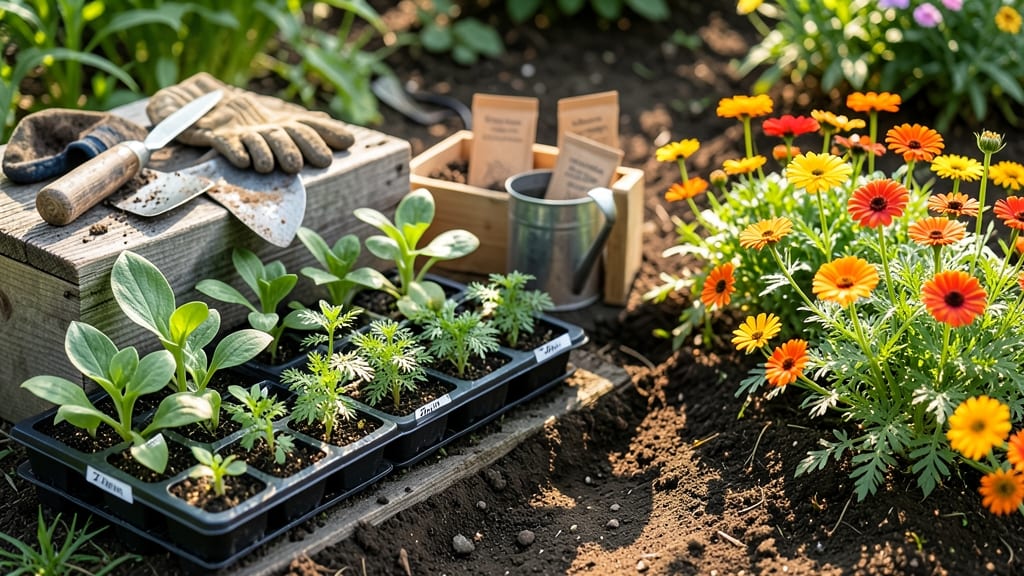
Timing your annuals planting in Colorado isn’t just about following a calendar—it’s about mastering the state’s wild elevation swings, where a Denver garden and a Grand Junction plot can have three-week differences in frost-free dates.
One wrong move, and your 🌸 cosmos could bolt before blooming or your basil turn to mush in a late spring freeze.
Let’s cut through the guesswork. Whether you’re in the Front Range’s 5-6 zones or the Western Slope’s 6-7, I’ll break down the exact windows—from April 15 to May 31 for spring plantings—to ensure your annuals thrive despite Colorado’s notorious whiplash weather. No more “close enough” gardening.
You’ll also discover how to cheat the system with succession planting for fall blooms (think August 1–September 15), plus which heat-tolerant varieties actually survive Colorado’s 100°F spikes. Spoiler: It’s not just about the dates—it’s about soil temperature, microclimates, and knowing when to toss on that row cover.
Ready to turn your garden into a year-round showstopper? I’ll walk you through the science, the shortcuts, and the local tricks that keep Colorado gardeners blooming—even when the forecast says otherwise.
Colorado’s planting zones by elevation: when to start annuals for each microclimate
Colorado’s elevation variations create three distinct planting zones, each with unique last frost dates and growing season lengths. The Front Range (5,000–7,000 ft) offers the longest seasons, while high-mountain areas (8,000+ ft) have shorter windows. Understanding these zones helps you time plantings for maximum success with annuals.
For Denver and Colorado Springs (USDA Zones 5–6), aim to plant cool-season annuals like pansies and lettuce by March 15 and warm-season varieties (tomatoes, marigolds) after May 1.
In Grand Junction (Zone 6–7), start 2 weeks earlier due to milder winters. High-altitude areas like Telluride (Zone 4) need earlier starts indoors and later outdoor plantings.
Soil temperature is critical—wait until it reaches 50°F (10°C) for most annuals. Use a soil thermometer or the finger test: push your finger 2 inches deep; if it feels cool but not freezing, it’s ready. Row covers can extend planting windows by 2–4 weeks in cooler zones.
Here’s a quick reference for key planting deadlines by elevation zone:
| Zone | Elevation | Last Frost | Plant Cool-Season | Plant Warm-Season |
|---|---|---|---|---|
| Front Range | 5,000–7,000 ft | April 10–15 | March 15–April 1 | May 1–15 |
| Western Slope | 4,000–8,000 ft | April 5–20 | March 1–March 15 | April 15–May 1 |
| High Mountains | 8,000+ ft | May 1–15 | April 15–May 1 | June 1–15 |
For high-altitude gardens, prioritize fast-maturing varieties like bush beans (50 days) or radishes (25 days). Start seeds indoors 6–8 weeks before your last frost date to give them a head start. Succession planting every 2–3 weeks ensures a continuous harvest of leafy greens and herbs.
In arid Western Slope regions, mulch heavily to retain moisture. Use drip irrigation or soaker hoses to deliver water directly to roots, reducing evaporation. Drought-tolerant annuals like lupine or yarrow thrive with minimal extra water once established.
Always check your local Cooperative Extension office for microclimate-specific advice. For example, Denver’s urban heat islands can be 2–5°F warmer than rural areas, delaying frost dates by 1 week. Keep a garden journal to track your own frost dates and adjust future plantings accordingly.
Fall planting is just as critical! In September, sow cool-season annuals like pansies or kale for winter color and early spring harvests. Use black plastic mulch to warm soil and extend the season by 3–4 weeks.
Pro tip: If you’re unsure about your local frost dates, use the Almanac’s Frost Calculator (available online) or ask fellow gardeners at your local nursery. They’ll have firsthand experience with your specific microclimate! 🌿
Best annual flowers and vegetables for Colorado’s short growing season
Colorado’s short growing season demands strategic choices for annual flowers and vegetables that thrive in our cool nights and variable weather. I’ve curated a list of hardy annuals that perform well across elevations, from Denver’s Front Range to the Western Slope’s desert-like conditions.
These picks maximize your blooms and harvests while accounting for late frosts and early freezes.
For spring planting, focus on cool-season annuals like snapdragons and pansies, which tolerate light frosts and bloom early. In summer, heat-loving varieties such as cosmos and marigolds take center stage, while fall-blooming zinnias and calendulas extend your season until frost.
Vegetables like bush beans and lettuce also thrive with proper timing.
🌱 Top Annuals for Colorado by Season
- 🌸 Spring (March–May): Snapdragons, Pansies, Sweet Alyssum, Kale, Spinach
- ☀️ Summer (June–August): Cosmos, Marigolds, Zinnias, Basil, Bush Beans
- 🍂 Fall (August–September): Calendulas, Sunflowers, Nasturtiums, Swiss Chard, Radishes
Succession planting is your secret weapon in Colorado. For vegetables like lettuce or radishes, sow seeds every 2–3 weeks from spring through early summer to ensure a continuous harvest.
Flowers like marigolds and zinnias self-seed readily, giving you free blooms next year if you leave spent plants in place. This tactic stretches your season and reduces waste.
When selecting varieties, prioritize those labeled “short-day” or “long-day” plants based on your elevation. For example, cosmos thrive in Colorado’s long daylight hours, while impatiens prefer partial shade in the drier Western Slope.
Always check seed packets for days to maturity—aim for varieties that reach harvest before your first frost date.
For container gardening in urban areas, opt for compact annuals like dwarf sunflowers or bush-type tomatoes. These varieties adapt well to limited space and variable microclimates, such as balconies or rooftops. Just ensure containers have drainage holes and use lightweight potting mix to prevent overheating.
Pro tip: Group plants with similar water needs to simplify care. For instance, pair drought-tolerant lavender with thyme in one bed, while water-loving impatiens and coleus thrive together in another. This zonal approach saves time and reduces stress on your plants during Colorado’s unpredictable weather swings.