
Plants
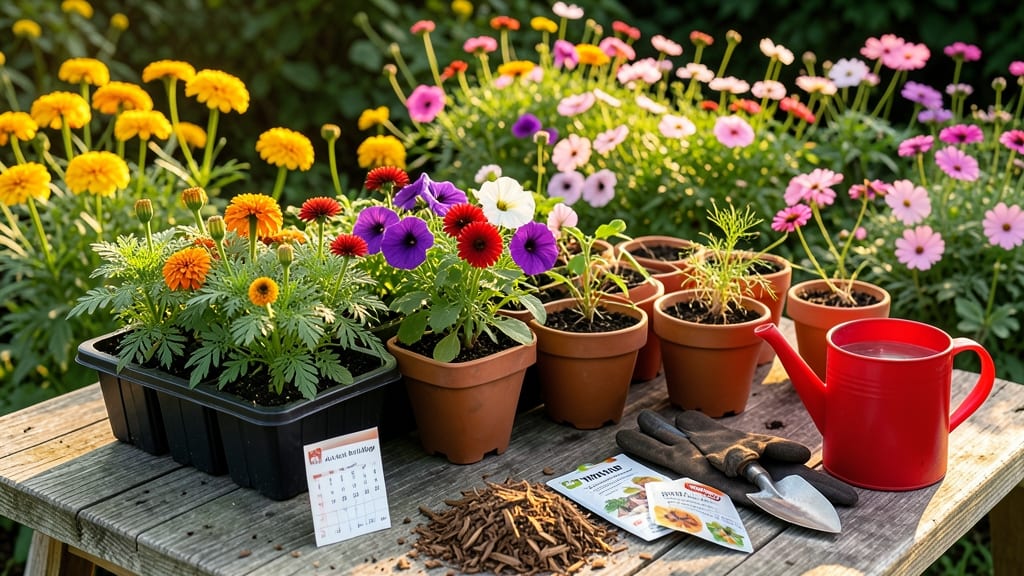
Timing your when to plant annuals in Zone 5 can mean the difference between a garden bursting with 🌸 vibrant blooms and one that fizzles before summer even begins.
Zone 5's short growing season demands precision—plant too early, and frost will nip your dreams in the bud; too late, and you'll miss peak blooming seasons entirely.
Most gardeners focus on frost dates, but the real secret lies in soil temperature. Annuals need warm soil—at least 60°F—to thrive, and that often means waiting longer than you think after the last frost.
I'll show you exactly how to read your soil's temperature cues and adjust your planting schedule for maximum success.
From cool-season stars like pansies to heat-loving zinnias, we'll break down the best annuals for each planting window in Zone 5. You'll learn when to start seeds indoors, when to transplant seedlings, and how to stretch your growing season with simple tricks that work.
Whether you're a first-time gardener or a seasoned pro, these insights will help you plant with confidence and enjoy a garden that stays lively from spring through fall. Let's get those annuals in the ground at the perfect time!

Zone 5 frost dates vs. soil temperature: the real rules for planting annuals
Zone 5 gardeners know the last frost date is critical—but it’s only half the story. Your annuals won’t thrive if you ignore soil temperature, which can lag behind air temps by weeks.
For example, while your local weather app might say frost risk is gone by April 15, your garden soil might still be chilly at 50°F instead of the ideal 60°F for warm-season plants.
This mismatch explains why some annuals, like marigolds, bolt (go to seed) prematurely or why basil wilts despite warm daytime air. The key is testing soil warmth—not just tracking frost dates. Use a soil thermometer to confirm readiness before planting heat-loving annuals, even if frost warnings have passed.
Here’s the science: Cool-season annuals (e.g., pansies, lettuce) can handle soil temps as low as 40°F, while warm-season types (e.g., tomatoes, petunias) need 60°F+ to germinate. Microclimates—like south-facing slopes or urban heat islands—can add 1–2 weeks to your planting window.
| Plant Type | Soil Temp Requirement | Zone 5 Planting Window | Examples |
|---|---|---|---|
| Cool-Season Annuals | 40–55°F | Early April–Mid-May | Pansies, Lettuce, Snapdragons |
| Warm-Season Annuals | 60–70°F | Mid-May–Early June | Marigolds, Zinnias, Basil |
| Heat-Tolerant Annuals | 70–80°F | Late June–Early July | Celosia, Four O’Clocks, Portulaca |
| Fall Bloomers | 50–60°F | Late July–Early August | Cosmos, Sweet Alyssum, Stock |
🌱 Pro Tip: Test soil temp at 1-inch depth in full sun—this is where seeds and roots interact.
Don’t rely solely on almanac frost dates. Instead, combine three tools: a soil thermometer, a frost calendar (like the National Gardening Association’s zone maps), and your local heat map (check NOAA’s climate tools).
For example, Chicago’s last frost is often May 10, but Milwaukee’s can be May 20—a 10-day difference that matters for tomato transplants.
Some cold-hardy annuals defy these rules. Sweet peas and stock flowers can handle light frosts and even 32°F soil temps if established early. These are exceptions—most annuals need the soil warmth rules above. For example, nasturtiums germinate at 50°F but grow faster at 65°F+.
If you’re tempted to plant early, use row covers or cold frames to warm soil by 5–10°F. These tools buy you 2–3 weeks of extra planting time for warm-season annuals.
Just remove covers when plants are 2–3 inches tall to avoid overheating. For vegetables like peppers, wait until soil hits 70°F—even if air temps are perfect.
Zone 5’s first frost (around October 15) signals the end for most annuals, but fall-blooming types (like cosmos) can handle light frosts if planted by late July. The trick? Sow seeds 6–8 weeks before your average first frost to ensure blooms before cold sets in.
Here’s my non-negotiable rule: Never plant warm-season annuals until soil is 60°F for 5 consecutive days. I’ve learned this the hard way—basil planted in 55°F soil will rot, while marigolds in the same conditions might just sulk. Use a soil thermometer for 3 days to confirm consistency.
For succession planting, stagger sowings every 2 weeks after your first planting date. This ensures continuous blooms or harvests. For
Best annuals for early, mid, and late planting in Zone 5 (with exact timing)
Zone 5’s short growing season demands smart planning—annuals planted at the right time mean bold blooms and bountiful harvests. The key? Grouping plants by their heat tolerance and planting them in waves for continuous color.
Cool-season annuals like pansies and snapdragons can handle spring’s chill, while marigolds and zinnias thrive in summer’s warmth.
For early planting (April–May), focus on cold-hardy annuals that tolerate 40–50°F soil. These include sweet alyssum, lobelia, and stock. Mid-season (June–July) is prime for heat-loving annuals like cosmos, sunflowers, and portulaca, which need 60–70°F soil to sprout.
Late-season (August–September) rewards you with fall-blooming stars such as celosia and four o’clocks, which tolerate cooler temps.
🌱 Pro Tip: Use succession planting—sow fast-growing annuals like basil or bush beans every 2–3 weeks to keep your garden productive all season.
📌 Zone 5 Planting Timeline for Annuals
-
🌱 Early Planting (April–May): Soil temp 40–50°F
- Pansies, Snapdragons, Sweet Alyssum
- Lettuce, Spinach, Radishes (edible annuals)
-
☀️ Mid-Season (June–July): Soil temp 60–70°F
- Marigolds, Zinnias, Sunflowers
- Basil, Cucumbers, Nasturtiums
-
🍂 Late Planting (August–September): Soil temp 50–60°F
- Celosia, Four O’Clocks, Cosmos
- Kale, Swiss Chard, Bush Beans
-
⏰ Succession Planting: Every 2–3 weeks
- Fast growers: Basil, Bush Beans, Radishes
- Avoid overcrowding with slow growers
💡 Remember: Check your last frost date (typically April 15 in Zone 5) and wait until soil warms to 60°F for most annuals.
Don’t overlook microclimates—south-facing beds warm up faster, while shady spots stay cooler. Use this to your advantage: plant heat-loving annuals near the house or fence, where reflected heat gives them an extra boost. For shade-tolerant annuals like impatiens or begonias, choose north-facing areas or dappled-light spots under trees.
For fall blooms, start seeds indoors in July for celosia or cosmos, then transplant after Labor Day. These plants thrive in cooler temps and often outlast summer annuals. Pair them with edible annuals like kale or Swiss chard for a double-duty garden that keeps giving until frost.
🌻 Final Tip: Keep a planting journal to track what thrives in your Zone 5 garden. Note soil temps, microclimates, and bloom times to refine your schedule each year. With the right timing, your annuals will reward you with nonstop color and harvests from spring to frost!