
Plants
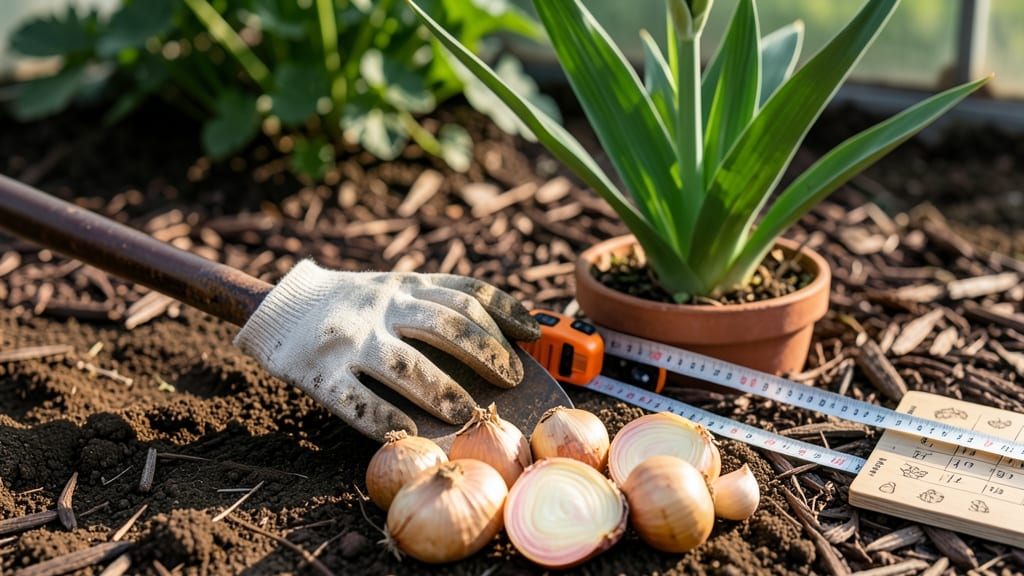
Planting gladiolus bulbs in Massachusetts at the wrong time means frost-killed dreams or missed summer blooms—both are garden heartbreaks you can avoid with a simple frost-date hack.
The key to vibrant 🌸 gladiolus starts with timing: too early, and your bulbs won’t survive; too late, and you’ll miss the 60-90 day window needed for those iconic spikes to reach their full height.
If you’ve ever wondered why your neighbors’ gardens burst with color while yours struggles, the answer lies in understanding Massachusetts’ USDA Zone 6a quirks. Late April to mid-May is your sweet spot—after the last frost (usually around April 15) but before the soil heats up too much.
This window ensures your bulbs establish roots before summer’s intensity hits, giving you the July-to-September blooms you’re craving.
But here’s the game-changer: even within that window, not all soil is ready. Cold, damp ground in early spring can stall growth, while waiting too long risks heat stress.
I’ll show you how to check soil temperature and adjust your planting schedule—plus how to extend your blooming season with a few simple tricks that work in New England’s unpredictable climate.
Ready to transform your garden into a gladiolus paradise? Let’s dive into the exact steps, from soil prep to bulb placement, so you can skip the guesswork and enjoy 4-5 foot spikes of color all summer long.
Massachusetts gladiolus planting calendar: frost-date hack for perfect timing
Gladiolus bulbs thrive in Massachusetts when planted after the last frost date, which typically falls around April 15 in most regions. But don’t rely solely on this date—soil temperature and local microclimates play a critical role.
In USDA Zone 6a, where most of Massachusetts falls, aim for late April to mid-May for optimal results.
Your planting window isn’t just about frost—it’s about soil warmth. Gladiolus bulbs need soil temperatures of at least 60°F (15°C) to sprout. Use a soil thermometer to confirm readiness, especially in cooler inland areas like the Berkshires or Worcester County.
For a frost-date hack, calculate your planting window by counting 4-6 weeks before your average last frost. This gives bulbs time to establish roots before summer heat arrives. In coastal areas like Cape Cod, you might plant 2-3 weeks earlier due to milder conditions.
Here’s how to adjust for early or late springs:
| Scenario | Adjustment | Ideal Planting Window |
|---|---|---|
| Early Spring (frost ends by April 1) | Plant 2-3 weeks later (mid-April to early May) | Late April to early May |
| Late Spring (frost ends after May 1) | Plant 2-3 weeks earlier (early April) | Early April to mid-April |
| Coastal Areas (Cape Cod, Islands) | Plant 2 weeks earlier (early April) | Early April to late April |
| Inland Areas (Berkshires, Worcester) | Plant 2 weeks later (late April) | Late April to mid-May |
If you’re unsure about your last frost date, check local records from the Massachusetts State Climatologist or use the National Weather Service’s frost calculator. For example, Boston’s average last frost is April 18, while Springfield’s is May 1—a 13-day difference that matters for gladioli.
For extended blooming seasons, try a staggered planting approach. Plant 1/3 of your bulbs in late April, another 1/3 in early May, and the final 1/3 in mid-May. This ensures continuous blooms from July through September, perfect for cut flower arrangements.
Remember, gladiolus bulbs are not frost-hardy—even a light frost after planting can damage emerging shoots. If an unexpected frost threatens, cover plants with row fabric or straw mulch until temperatures rise.
Pro tip: Mark your planting date on a garden journal to track success. Over time, you’ll refine your timing based on your specific microclimate, whether it’s a sunny urban yard or a shaded woodland garden.
By mastering this frost-date hack, you’ll transform gladiolus planting from guesswork into a predictable, rewarding process—guaranteeing vibrant blooms year after year. 🌸
Step-by-step gladiolus planting process for Massachusetts gardens
Now that you’ve nailed your planting window, let’s dive into the hands-on process. Massachusetts gardeners often struggle with clay-heavy soils and unpredictable weather, so these steps will help you overcome those challenges. Start by preparing your soil at least 1-2 weeks before planting—this gives nutrients time to integrate.
First, test your soil’s drainage and pH. Gladiolus bulbs rot in soggy conditions, so amend heavy clay with compost or sand to improve aeration. Aim for a pH between 6.0 and 6.8—you can adjust with lime (to raise pH) or sulfur (to lower it).
A simple soil test kit from your local garden center makes this easy.
🌱 Step-by-Step Gladiolus Planting Guide
- 1. Choose Healthy Bulbs: Select firm, plump gladiolus corms with no soft spots or mold. Plant large corms (3+ inches) for showstopping blooms.
- 2. Prep Planting Site: Loosen soil to 12 inches deep and mix in 2 inches of compost. Avoid fresh manure—it can burn delicate roots.
- 3. Plant at Correct Depth: Bury corms 4-6 inches deep, with the pointy end up. Space them 6 inches apart in rows 12 inches apart.
- 4. Water Thoroughly: Soak the soil until water drains 2-3 inches below the surface. This encourages deep root growth before summer heat arrives.
- 5. Mulch for Moisture: Apply 2-3 inches of straw or shredded leaves to retain moisture and suppress weeds. Avoid thick mulch—it can smother emerging shoots.
- 6. Fertilize Lightly: After shoots reach 6 inches tall, apply a balanced 10-10-10 fertilizer at half strength. Repeat every 4-6 weeks during bloom.
Here’s a pro tip for Massachusetts gardeners: If your spring is unusually late, start corms indoors in biodegradable pots 4-6 weeks before your target planting date. This gives you a head start on the 60-90 day growth cycle before blooms appear.
Once planted, monitor for emerging shoots—they’ll appear in 2-3 weeks under ideal conditions. Thin seedlings if they’re crowded, leaving the strongest stems to grow. In late summer, after blooming, cut back foliage to 2 inches tall and let corms replenish for next year.
Remember, gladiolus bulbs are not perennial in Massachusetts’ climate—they’ll need replanting annually. But with this method, you’ll enjoy vibrant blooms from July to September every year, even with our short growing season. 🌸