
Plants
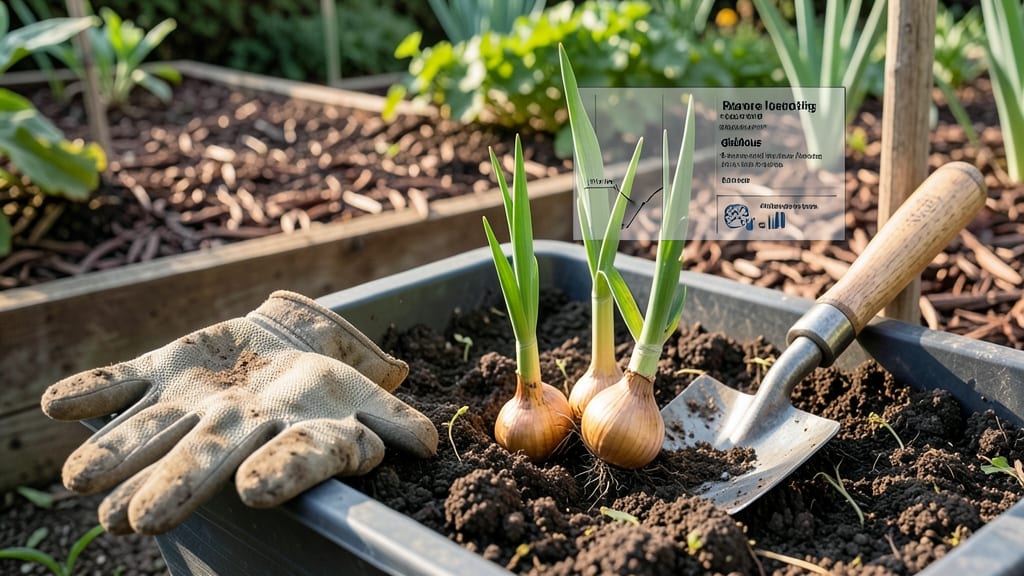
Planting gladiolus bulbs in North Carolina at the wrong time can mean the difference between stunning 🌸 blooms and wilted disappointment. With NC’s varied climate—from the coastal warmth to the Piedmont’s cooler springs—getting the timing right is your secret weapon for thriving gladiolus.
Most gardeners in zones 7a-8b swear by late spring, but there’s more to it than just picking a month. Soil temperature, frost dates, and even your specific region (Raleigh vs. Asheville) play a huge role in when you should plant those corms for maximum success.
I’ve tested the best planting windows over the years, and what works for a Charlotte garden might fail in the mountains. Let me show you exactly when to plant in NC—plus how to adjust for your microclimate—to ensure your gladiolus thrive from bulb to bloom.
Ready to avoid frost damage and get those vibrant spikes standing tall by summer? Let’s dive into the perfect planting schedule tailored just for North Carolina’s unique growing conditions.
Best planting months for gladiolus bulbs in North Carolina
North Carolina’s gladiolus bulbs thrive when planted at the right time—typically after the last frost date, which varies by region. The ideal planting window is late April to mid-May, ensuring soil temperatures stay above 60°F for optimal root growth.
This timing aligns with NC’s USDA Zones 7a-8b, where frost-free periods last 180-220 days.
Gladiolus are spring-planted perennials that need warmth to sprout, so rushing them into cold soil can stunt growth. In coastal NC, where winters are milder, you might start as early as mid-April.
Meanwhile, mountain regions like Asheville should wait until late May to avoid late frosts. The key is planting 4-6 weeks before your area’s last frost date.
For maximum blooms, aim for a planting schedule that ensures flowers emerge 6-8 weeks before the first fall frost. This usually means starting in late April or early May for most of NC.
If you miss this window, you can try a fall planting, but it’s riskier due to winter dormancy needs.
Here’s a quick reference for soil temperature and planting readiness:
| Stage | Action | Soil Temp | NC Region |
|---|---|---|---|
| Pre-Planting | Test soil warmth | ≥60°F | Coastal: Mid-April Piedmont: Late April Mountains: Late May |
| Planting Window | Plant corms 4-6" deep | 60-70°F | Statewide: Late April-Mid May |
| Post-Planting | Water deeply, mulch | 65-75°F | All regions |
| Bloom Time | Expect flowers in 120-150 days | 70-85°F | July-September |
If you’re in Raleigh or Charlotte, late April is perfect—soil warms quickly, and the risk of frost drops below 10%.
In Asheville or Boone, wait until after Mother’s Day to ensure no late frosts. Coastal areas like Wilmington can start as early as mid-April due to their milder climate.
For extended blooms, try staggered plantings every 2-3 weeks from April to early June. This ensures a continuous display from summer through early fall. Just remember: gladiolus need full sun (6+ hours daily) and well-draining soil to thrive.
One common mistake is planting too early when soil is still cold. If you plant in March, your corms may rot before sprouting. Use a soil thermometer to confirm temperatures are above 60°F before planting. This simple tool can save your gladiolus from failure.
Once planted, maintain consistent moisture but avoid waterlogging. Gladiolus are drought-tolerant once established, but young plants need weekly deep watering during dry spells. Mulching with straw or pine needles helps retain moisture and regulate soil temperature.
In USDA Zone 7a (e.g., western NC), aim for late April to early May planting. In Zone 8a (e.g., eastern NC), you can start as early as mid-April. Always check your local extension office for precise frost dates—these can shift yearly due to climate changes.
Pro tip: Mark your planting dates on a garden calendar to track progress. Gladiolus grow 2-5 feet tall, so plan spacing accordingly—4-6 inches apart in rows 12-18 inches apart prevents overcrowding and improves airflow, reducing disease risk.
Best planting months for gladiolus bulbs in North Carolina
North Carolina’s USDA zones 7a-8b offer a long growing season, but gladiolus bulbs need precise timing to thrive. The ideal window spans from late April to mid-May, when soil temperatures consistently reach 60°F+ and frost risk fades.
Planting too early exposes corms to late frosts, while delaying risks stunted blooms before fall’s first chill.
For coastal NC, where milder winters prevail, you can start as early as early April. Meanwhile, the Piedmont and mountain regions should wait until mid-May to avoid lingering cold snaps. This regional flexibility ensures your gladiolus get the 120-150 frost-free days they need to mature.
| Planting Window | Soil Temp | Frost Risk | Bloom Time |
|---|---|---|---|
| Late April - Early May | 60°F+ | Low | July - August |
| Mid-May - Early June | 65°F+ | None | August - September |
| Early June (staggered) | 70°F+ | None | September - October |
To extend your blooming season, try staggered plantings every 2-3 weeks. Start with early April batches in coastal areas, then follow with mid-May plantings inland. This technique ensures continuous color from July through October, even in NC’s shorter seasons.
Check your local last frost date (typically March 15 in coastal zones to April 15 inland) and plant 4-6 weeks after. Use a soil thermometer to confirm warmth—gladiolus corms won’t sprout until soil hits 60°F for 3+ days.
For container gardening, plant in early May when nighttime temps stay above 55°F. Containers warm faster but dry out quicker, so monitor moisture closely. Use well-draining pots with 4-6 inches of compost mixed into soil.
Pro tip: Mark your calendar for June 1—this is the absolute latest you should plant for a full-season bloom. After this date, your gladiolus may not reach maturity before fall’s first frost, leaving you with underdeveloped spikes or no flowers at all.