
Plants
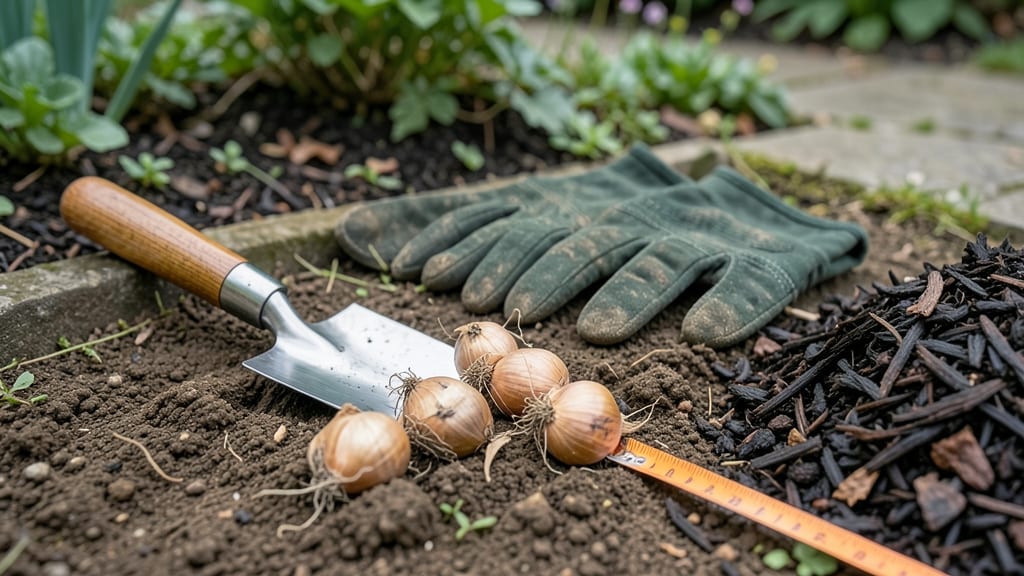
Planting daffodil bulbs at the wrong time in Massachusetts can mean fewer blooms or even lost bulbs—so timing is the key to those cheerful 🌼 spring displays you love.
With USDA Zone 6a winters, your window for planting is narrow but critical, and getting it right means stronger roots before the first frost hits.
Most gardeners in Massachusetts know the fall is when to plant daffodil bulbs, but the exact timing matters more than you might think. Aim for October through November, when soil temperatures drop but the ground hasn’t frozen solid—this gives roots time to establish before winter sets in for good.
Don’t worry if you’re new to this—this guide breaks down everything you need, from soil prep to spacing, so your daffodils thrive year after year. We’ll also cover what to do after planting to protect your bulbs through the coldest months.
Ready to set the stage for next spring’s vibrant blooms? Let’s get your daffodils in the ground the right way—so you can enjoy their bright faces come April.
Massachusetts daffodil planting dates by USDA Zone (2024 guide)
Massachusetts spans USDA Zones 5-6, where daffodil bulbs need 6-8 weeks to establish roots before winter. Planting too early risks rot, while waiting too long means bulbs won't anchor before frost.
For Zone 5 (western MA), aim for mid-October to early November, while Zone 6 (eastern MA) can extend until mid-November.
The key is planting when soil temps drop to 50-60°F—ideal for root growth but not yet freezing. Check your local first frost date: Boston averages October 20, while Springfield hits frost by October 28. Count back 4-6 weeks for your target window.
Daffodils thrive with well-draining soil and 6+ hours of sun daily. In Massachusetts' clay-heavy soils, amend with compost or sand to prevent waterlogging. Bulbs need 6-8 inches of depth and 4-6 inches apart for optimal airflow and bloom size.
🌼
| Zone | Ideal Planting Window | Soil Temp | Moon Phase Tip |
|---|---|---|---|
| Zone 5 (Western MA) | Mid-October to Early November | 50-60°F | Plant during waxing moon for stronger roots |
| Zone 6 (Eastern MA) | Late October to Mid-November | 50-60°F | Avoid planting during full moon to prevent overgrowth |
| Both Zones | 4-6 weeks before frost | Never below 40°F | Add 2 inches of mulch after planting |
For mass planting, use a bulb planter for even depth. Space bulbs 4-6 inches apart in rows 8-12 inches apart for full spring color. In containers, plant 3 bulbs per 6-inch pot and ensure drainage holes are present.
After planting, water deeply to settle soil and encourage root growth. Avoid overwatering, as daffodils rot easily in soggy conditions. A 2-inch layer of mulch (straw or shredded leaves) helps insulate bulbs through winter and suppresses weeds.
🌱
If you miss the fall window, you can plant daffodils in early spring (March-April), but blooms may be delayed by 2-4 weeks. Spring-planted bulbs need consistent moisture until roots establish, typically by June.
Pro tip: Mark your planting spots with biodegradable flags to avoid disturbing bulbs next spring. Daffodils multiply yearly, so your garden will fill with cheerful blooms for decades with proper care.
💧
How to prepare daffodil bulbs for Massachusetts soil and climate
Massachusetts’ clay-heavy soils and cold winters can challenge daffodil bulbs if not prepped properly. The key is mimicking their natural forest-floor habitat—well-draining, slightly acidic soil with organic matter.
Start by testing your soil’s pH; daffodils thrive in 6.0–7.0 range. If your soil tests higher, amend with peat moss or pine needles to lower it gently.
Before planting, inspect each bulb for firmness and plumpness. Discard any with soft spots or mold, as these won’t survive winter. Soak bulbs in a 10% hydrogen peroxide solution for 10 minutes to prevent fungal diseases—common in MA’s damp fall air.
This step is non-negotiable for long-term bulb health.
⚠️ Critical Mistake Alert
Planting in heavy clay without amendments? Your bulbs will rot. Massachusetts’ Zone 6a soils often compact after frost—break up clumps with a garden fork and mix in coarse sand or perlite to improve drainage.
🌱 Pro Tip: Add a 2-inch layer of gravel at the bottom of planting holes for extra drainage.
Daffodils need a 6-week chill period to bloom reliably. If you’re planting in late November, store bulbs in a cool, dark place (40–50°F) until spring. This mimics winter dormancy and ensures vibrant spring blooms.
Skip this step, and you’ll get weak stems or no flowers at all—a common issue in MA’s variable winters.
Once planted, mulch with 3–4 inches of straw or shredded leaves to insulate bulbs from freeze-thaw cycles. Remove mulch in early spring to prevent rot from excess moisture. This balance is crucial for bulb longevity—many gardeners in MA see daffodils lasting 5+ years with proper care.
Finally, avoid over-fertilizing with nitrogen-rich feeds. Daffodils store energy in their bulbs; too much nitrogen promotes leafy growth over flowers. Instead, use a balanced 5-10-10 fertilizer in early spring when shoots emerge. Timing matters—apply it before buds form for the best results.
With these prep steps, your daffodils will thrive in Massachusetts’ climate, rewarding you with bold, early spring color year after year. Happy planting! 🌼