
Plants
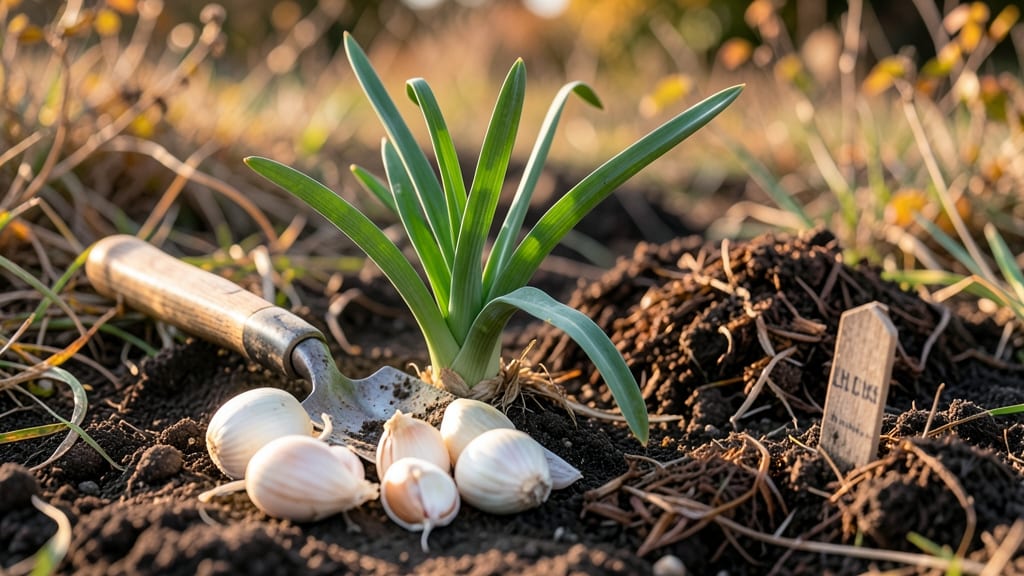
If you're asking "when to plant garlic in Rhode Island", the answer isn't just about timing—it's about catching that 4-6 week window before the ground freezes in USDA Zone 6b. Miss it, and your 🧄 bulbs might not survive the winter.
But get it right, and you're setting up a harvest of bold, flavorful cloves by next summer.
Rhode Island's chilly winters and unpredictable fall weather make garlic planting a delicate balance. Unlike spring-planted crops, garlic thrives when planted in the cool months, but too early and it'll rot, too late and it won't establish roots.
The sweet spot? Late October to early November, when soil temps drop but frost hasn't arrived yet.
Here's the game-changer: hardneck varieties like 'German White' or 'Music' are your best bet for Rhode Island's climate. They handle our winters better than softnecks and produce those prized hardneck stalks—perfect for braiding and storing.
I'll walk you through exactly how to prep your cloves and soil so they're ready to face whatever winter throws at them.
Ready to go from clove to harvest? Let's break down the precise steps to plant garlic this fall, including soil prep, spacing tricks, and how to tell if your planting window is still open. Your future meals—and your neighbors' jealous glances at your garlic harvest—will thank you.
Best fall planting window for Rhode Island hardneck garlic
Rhode Island’s USDA Zone 6b climate creates a narrow but critical window for planting hardneck garlic. Unlike spring-planted garlic, fall planting allows bulbs to establish roots before winter dormancy, ensuring robust growth by next summer.
The key is timing—plant too early, and cloves may sprout prematurely; too late, and they won’t root before frost.
Based on Rhode Island’s average first frost date (mid-October) and soil temperature thresholds (40°F for root establishment), aim to plant 4–6 weeks before the ground freezes. This typically lands between late September and early November, with October 15–November 1 being the sweet spot for most years.
However, Rhode Island’s coastal areas (like Block Island) may experience slightly later frosts, while inland regions (e.g., Providence) can see frost earlier. Adjust your timeline by monitoring local frost forecasts—plant when soil temps hover around 50–60°F and nights stay above 40°F.
For 2024 gardeners, check the National Weather Service’s Rhode Island frost predictions and plant when soil temperatures consistently drop below 60°F at night.
If you miss the ideal window, don’t panic—garlic can tolerate light frosts, but avoid planting after November 10 unless you’re in a microclimate with delayed frosts.
| Stage | Action | Rhode Island Timeline |
|---|---|---|
| Soil Prep | Test pH (6.0–7.0), amend with compost | Late August–Early September |
| Planting Window | Plant cloves 2" deep, pointed end up | Late September–Early November |
| First Frost | Garlic tolerates light frost; roots establish | Mid-October (average) |
| Winter Dormancy | Mulch with straw; no watering | November–March |
| Spring Growth | Remove mulch; water deeply | April–May |
| Harvest Ready | Lower leaves brown; bulbs firm | Mid–Late July |
If you’re unsure about your local frost date, use the Old Farmer’s Almanac or check with your Rhode Island Cooperative Extension for hyper-local data. For example, Narragansett may frost 1–2 weeks earlier than Newport, so adjust accordingly.
Pro tip: Plant a test row in late September and another in early November to see which yields better. Rhode Island’s variable coastal climate means no single date fits all—experimentation is key! Once planted, mulch with 4–6 inches of straw to insulate bulbs through winter and prevent heaving.
Remember, garlic planted in fall matures in late summer of the following year, so your 2024 planting will reward you with harvests in July 2025. Mark your calendar now—this narrow window is your ticket to plump, flavorful bulbs! 🌱
For container gardeners, the same timing applies, but use large pots (12"+ deep) with drainage holes. Coastal areas with sandy soil may need extra compost to retain moisture during Rhode Island’s dry autumn winds.
Best fall planting window for Rhode Island hardneck garlic
Rhode Island’s USDA Zone 6b climate gives you a narrow but critical window to plant garlic—typically between late October and early November. This aligns with the 4-6 week window before the ground freezes, ensuring your cloves establish roots before winter dormancy.
Miss this window, and your garlic may rot or fail to thrive. The key is planting when soil temperatures drop below 70°F but before the first hard frost, which usually hits mid-October in most of the state.
For 2024, I recommend checking your local frost dates—some inland areas like Providence may freeze earlier than coastal spots like Newport. Aim to plant by November 1st to guarantee success.
If you’re unsure, use a soil thermometer to confirm temps are consistently below 60°F at a 4-inch depth. This ensures your garlic won’t sprout prematurely and rot in cold, wet soil.
Pro tip: If you’re in a warmer microclimate (like near Narragansett Bay), you might push planting to early November. But if your garden is in a colder pocket (e.g., Blackstone Valley), start as early as late September to avoid late-season delays.
The goal is to give your garlic time to root before the ground freezes solid.
📅 Rhode Island Garlic Planting Timeline
| Stage | Action | Soil Temp |
|---|---|---|
| Prep Cloves | Break bulbs, cure cloves | 60-70°F |
| Planting Window | Late Oct - Early Nov | Below 60°F |
| First Frost | Mid-October (varies) | 32°F |
| Dormancy | Winter (no care) | Below freezing |
| Spring Growth | Resumes in April | 40-50°F |
Don’t panic if you miss the ideal window—you can still plant garlic in early December, but success depends on your soil’s insulation. Amend beds with compost or straw mulch to protect roots from freezing. Just know that late-planted garlic may produce smaller bulbs or require extra care in spring.
For best results, stick to the October-November window and let Rhode Island’s cold winters do the work of hardening your garlic for a robust harvest.
Once planted, your garlic will enter dormancy, only to burst back to life in early spring. By mid-July of the following year, you’ll be harvesting plump bulbs ready for cooking or storing. The key to this entire process?
Planting at the right time. Now that you’ve got your dates locked in, let’s talk about prepping those cloves for Rhode Island’s winters—because not all garlic is created equal, and some varieties will outperform others in our climate.
🌱