
Plants
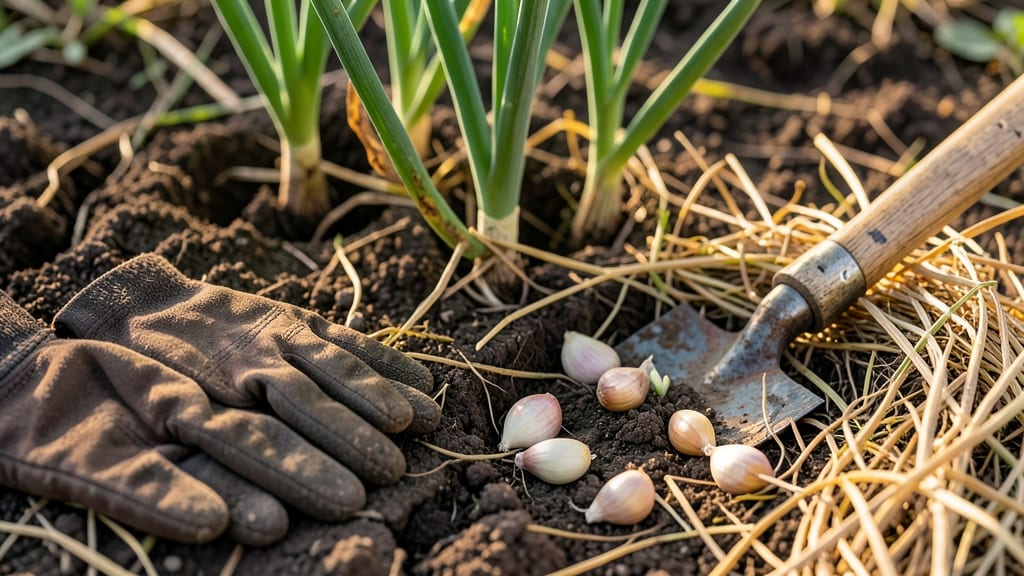
If you're dreaming of a bountiful garlic harvest in Colorado, timing your planting is everything—especially when it comes to hardneck varieties like Rocambole. Planting too early means risking rot, while waiting too long could leave your cloves struggling to root before winter's chill sets in.
For Colorado’s USDA Zones 4-7, the ideal window is mid-October to early November, when soil temperatures hover around 50°F but haven’t yet frozen. This gives your 🧄 cloves just enough time to establish roots before the ground locks up.
Spring planting is possible too, but it’s trickier and often yields smaller bulbs.
Why does timing matter so much? Garlic thrives on cold winters to form strong bulbs, but it needs a head start. In Colorado’s variable climate—where Denver’s last frost can hit as early as October 10—getting it right means the difference between a thriving crop and a wasted effort.
I’ll walk you through the exact steps to prep your soil, choose the right varieties, and avoid common pitfalls that Colorado gardeners face. Let’s make sure your garlic gets the perfect start for a late June harvest!
Best planting dates for Colorado garlic by elevation Zone
Colorado’s diverse elevation zones mean your garlic planting window can shift by weeks depending on where you live. Lowland areas like Colorado Springs (Zone 5-6) have 4-6 weeks longer to plant than mountain regions like Fort Collins (Zone 4).
Timing is critical—plant too early, and cloves rot; too late, and roots won’t establish before winter.
For hardneck varieties like Rocambole or Purple Stripe, aim to plant 4-6 weeks before ground freezes. In Colorado, this typically means mid-October to early November for most regions, but mountain gardeners should start as early as late September to account for earlier frosts.
Soil temperature is your best guide: plant when it drops to 40-50°F at night. Use a soil thermometer to check—garlic cloves need cool but not freezing soil to sprout.
In Denver (Zone 5), this usually aligns with October 10-20, while Grand Junction (Zone 6) can wait until November 1-10.
Here’s how elevation affects your planting window:
| Elevation Zone | Ideal Planting Window | Soil Temp Threshold | Notes |
|---|---|---|---|
| Lowland (3,500-5,000 ft) | Mid-October to early November | 40-50°F nighttime | Denver, Colorado Springs (Zone 5-6) |
| Foothills (5,000-7,000 ft) | Late September to mid-October | 35-45°F nighttime | Boulder, Fort Collins (Zone 4-5) |
| Mountain (7,000+ ft) | Late August to early September | 30-40°F nighttime | Aspen, Durango (Zone 3-4) |
Spring planting is possible in Colorado, but it yields smaller bulbs and is best for softneck varieties. Plant in early March (Zone 6) or mid-March (Zone 4) for a summer harvest.
However, hardneck garlic—Colorado’s star—requires cold winters to form bulbs, so fall planting is non-negotiable for the best flavor and size.
Pro tip: Check your local USDA Plant Hardiness Zone and add 2-3 weeks to the general planting window if your area tends to have earlier-than-average frosts. Colorado’s weather is unpredictable, so always have a backup plan for late plantings—like a cold frame to extend the season.
Once planted, garlic needs consistent moisture but no standing water. In Colorado’s dry climate, mulch with straw or leaves to retain soil moisture and insulate roots during winter temperature swings. This is especially critical in Zone 4, where winters can dip below -10°F.
Hardneck garlic thrives in Colorado’s climate when planted at the right time. The key is balancing root establishment before winter with avoiding early frost. By following elevation-based guidelines, you’ll give your garlic the best chance to survive the cold and produce plump bulbs by next summer.
For a visual reminder, bookmark this timeline: Late August (mountains) to early November (lowlands). Adjust based on your frost dates, and you’ll be well on your way to a garlic harvest fit for Colorado’s high-altitude kitchen.
Best planting dates for Colorado garlic by elevation Zone
Colorado’s diverse elevations create three distinct garlic planting zones, each with its own frost timing and soil temperature thresholds. Planting too early in lowland areas (like Denver) risks rot, while high-elevation gardens (above 7,000 ft) need earlier starts to avoid winter freeze.
Aim for 4-6 weeks before your first hard frost—this gives roots time to establish before winter dormancy.
For hardneck varieties like Rocambole and Purple Stripe (Colorado’s favorites), timing is critical. These varieties need cold stratification to form bulbs, so planting too late means smaller harvests.
Check your USDA Zone 4-7 and local frost dates—Denver’s average first frost is October 10, but mountain towns like Aspen can freeze by September 20.
| Elevation Zone | Ideal Planting Window | Soil Temp Threshold | First Frost Date |
|---|---|---|---|
| Lowland (3,000–5,000 ft) | Mid-October to early November | 50–60°F (10–15°C) | October 10–20 |
| Foothills (5,000–7,000 ft) | Late September to mid-October | 45–55°F (7–13°C) | September 25–October 10 |
| Mountain (7,000+ ft) | Late August to early September | 40–50°F (4–10°C) | September 10–20 |
Pro tip: Use a soil thermometer to confirm readiness—garlic roots need consistent soil temps between 40–60°F (4–15°C). In high-altitude gardens, plant earlier and use black plastic mulch to warm the soil. This mimics lower-elevation conditions and extends your planting window by 2–3 weeks.
Spring planting is possible in Colorado, but yields are 20–30% smaller than fall-planted garlic. If you must plant in spring, do so by early March—no later, or your bulbs won’t mature before summer’s heat.
Hardneck varieties like German Red or Silverskin are better suited for spring starts if you’re experimenting.
Watch for false springs—warm spells in late winter can trick garlic into sprouting too early. If temps rise above 50°F (10°C) before your last frost, protect your beds with frost cloth or move potted garlic to a sheltered spot.
Colorado’s variable mountain weather makes this a common pitfall for new growers.
Once planted, mark your garlic beds with stakes or flags to avoid disturbing them in spring. Colorado gardeners often forget where they planted after snowmelt, leading to accidental tilling or weeding. A simple flag saves time and stress when it’s time to harvest in late June or early July.