
Plants
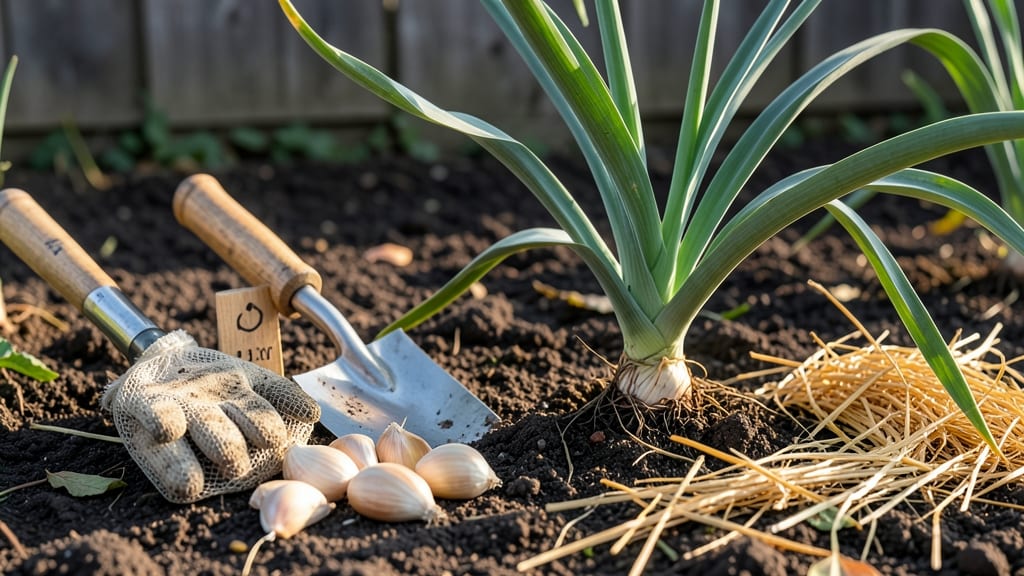
Planting garlic in Minnesota isn’t just about timing—it’s about unlocking hardneck varieties’ full potential in your 4a-5b climate. The difference between a mediocre harvest and a bountiful July crop often comes down to those crisp fall weeks when the soil cools but hasn’t frozen solid.
Most gardeners assume spring planting works, but Minnesota’s cold winters actually favor fall planting—specifically, late September to early October. Why? Because garlic needs 60–90 days of cold to form robust bulbs, and planting too late risks stunted growth or bulb rot before harvest.
The key is getting those cloves into the ground 4–6 weeks before the first hard frost, when soil temps hover around 40–50°F.
Here’s what you’ll discover: the exact 30-day window that works for your zone, how to prep soil with compost and sulfur for Minnesota’s heavy clay, and why hardneck varieties like ‘German White’ outperform softneck in your short growing season.
Skip the guesswork—let’s turn your garlic patch into next summer’s star.
Whether you’re a first-timer or a veteran gardener, these Minnesota-specific tips will help you avoid common pitfalls like planting too deep, choosing the wrong variety, or ignoring mulch. Ready to grow garlic that rivals the grocery store? Let’s get those cloves in the soil.
Minnesota’s hardneck garlic planting window: exact months and climate factors
Minnesota’s cold-hardy climate makes it perfect for growing hardneck garlic, but timing your planting is non-negotiable. The ideal window is between late September and early October, when soil temperatures drop below 50°F (10°C) but before the ground freezes.
This cold period is what triggers bulb formation in hardneck varieties.
Why this timing? Garlic needs 4-6 weeks of cool soil before winter sets in. Planting too early (like August) can lead to premature sprouting, while planting too late (November or later) risks frozen cloves that won’t thrive.
Minnesota’s USDA Zones 3-5 demand precision—miss the mark, and you’ll sacrifice yield or quality.
Pro tip: Check your last frost date (typically mid-November in most of Minnesota). Aim to plant 4-6 weeks before that date. For example, if your last frost is November 10, plant between October 1-15. This ensures cloves establish roots before winter.
Soil temperature is your best guide. Use a soil thermometer to confirm temps are between 40-50°F (4-10°C). If temps drop below 32°F (0°C), cloves may freeze, but established roots can survive. The key is root development before dormancy.
Minnesota’s northern regions (Zones 3–4) have shorter growing seasons, so prioritize early October planting to maximize bulb development. In southern Minnesota (Zone 5), you can stretch the window to late October, but avoid planting after November 1—cloves won’t root in time.
One common mistake? Using softneck garlic, which isn’t cold-hardy. Stick to hardneck varieties like ‘German White,’ ‘Music,’ or ‘Silverskin.’ These varieties require cold vernalization (a period of cold) to form bulbs. Without it, you’ll end up with small, weak cloves or just leafy stems.
For extra insurance, plant a test row in late August if your soil warms slowly. Monitor for sprouting—if cloves sprout before frost, they’ll bolt (flower) prematurely. If they stay dormant, you’ve got time to plant your main batch in early October.
Don’t overlook soil drainage. Minnesota’s clay-heavy soils can become waterlogged in spring. Amend beds with compost or sand to improve drainage. Well-drained soil prevents rot and disease, ensuring healthy bulb formation over winter.
Finally, mulch after planting with straw or leaves (4–6 inches thick) to insulate cloves. This protects them from freeze-thaw cycles and keeps soil temps stable. Remove mulch in early spring to allow sunlight to promote growth.
Minnesota’s hardneck garlic planting window: exact months and climate factors
Minnesota’s cold climate is perfect for hardneck garlic, but planting at the wrong time can ruin your harvest. The ideal window is late September to early October, when soil temperatures drop but before the ground freezes.
This timing ensures bulbs have 6–8 weeks of cold exposure, which hardneck varieties need to form properly.
For USDA Zones 3–5, aim to plant 4–6 weeks before the first hard frost (typically mid-October). If you miss this window, you can still plant in early November, but bulbs may be smaller. Never plant after November—the cloves won’t root before winter sets in.
| Factor | Minnesota Specification | Why It Matters |
|---|---|---|
| Planting Month | Late September–early October | Allows roots to establish before winter dormancy. |
| Soil Temperature | 40–50°F (4–10°C) | Cooler temps prevent rot and encourage strong root growth. |
| Frost Timing | 4–6 weeks before hard freeze | Cloves need cold exposure to form bulbs. |
| Hardiness Zone | 3–5 (Minnesota’s range) | Hardneck varieties thrive in cold winters. |
Minnesota’s northern regions (like Zone 3) need to plant earlier (late August to early September) to beat the frost. In southern Minnesota (Zone 5), you can wait until mid-October. Check your local frost dates—the University of Minnesota Extension provides annual updates.
If you’re unsure about timing, use the "knuckle test": Plant when the bottom joint of your index finger (where it meets your palm) feels cold but not frozen.
This usually aligns with mid-October for most of the state. Pro tip: Mark your calendar now—garlic cloves sell out fast in fall!
One common mistake? Planting softneck garlic (like supermarket varieties) in Minnesota. These need warmer climates and won’t survive our winters. Stick to hardneck varieties like ‘German White’ or ‘Chesnok Red’, bred for cold climates. They’ll reward you with larger bulbs and hardnecks (the prized flower stalks).
Finally, soil prep is key. Amend your garden with compost and sulfur (to lower pH slightly) in late summerslightly acidic pH (6.0–6.8) helps bulbs develop. Test your soil now—it’s easier to adjust before planting than after! 🌱