
Plants
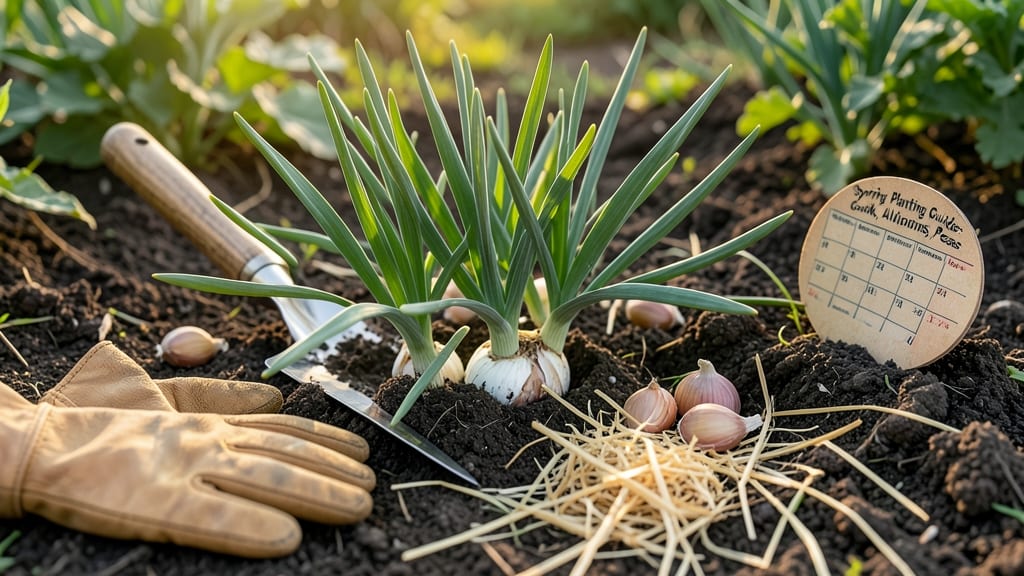
Timing your garlic planting in Northeast Ohio isn't just about following a calendar—it's about syncing your 🧄 hardneck varieties with the region's chill-hour magic to unlock plump, flavorful bulbs.
If you've ever planted garlic too early and watched it bolt before harvest or too late and struggled with weak growth, you're not alone.
The key lies in understanding how USDA Zone 6a conditions interact with your chosen varieties, like 'German White' or 'Music', to ensure they get the 300-1,000 hours of cold they crave.
For gardeners in Northeast Ohio, the optimal window stretches from mid-October to November, when soil temperatures dip to 40-50°F—a perfect sweet spot for root establishment before winter sets in.
This isn't just guesswork; it's about matching your garlic's dormancy needs with Ohio's climate quirks, like sudden freezes or unpredictable snow cover. Plant too soon, and your cloves might sprout before the ground freezes. Plant too late, and they won't get enough cold exposure to form strong bulbs.
What sets Northeast Ohio apart is its microclimates, where urban heat islands or sheltered valleys can shift ideal planting dates by weeks.
Whether you're in Akron, Canton, or Youngstown, I'll show you how to read your soil's signals and adjust your schedule for peak harvest timing—because July's heat is no time to scramble for garlic ready to pull.
Let's dive into the science and local tricks that'll turn your garlic patch from good to exceptional.
By the end, you'll know exactly when to plant, how deep to bury those cloves, and which varieties thrive best in your backyard. No more second-guessing—just confident, chill-hour-perfect garlic that'll make your neighbors ask for your secrets. Ready to grow garlic like a pro? Let's get started.
Northeast Ohio chill-hour requirements for hardneck garlic planting
Northeast Ohio's USDA Zone 6a climate creates perfect conditions for growing hardneck garlic, but timing is everything. The region's 300-1,000 chill hours (below 40°F) determine when to plant for maximum bulb size. Most hardneck varieties thrive with 600-900 chill hours, which Northeast Ohio reliably delivers during winter months.
Hardneck varieties like 'German White' and 'Music' need these chill hours to form strong bulbs. Without enough cold, your garlic will bolt (send up flower stalks) prematurely or produce weak, small bulbs.
The key is planting 4-6 weeks before the ground freezes, typically between mid-October and early November in this region.
Here’s how to match your garlic to Northeast Ohio’s chill hours for a successful harvest:
| Variety | Chill Hours Needed | Best Planting Window | Notes for Northeast Ohio |
|---|---|---|---|
| German White | 800-1,000 hours | Mid-October to early November | Top choice for Ohio; large bulbs, great flavor. |
| Music | 600-800 hours | Late October to mid-November | Adaptable; good for shorter chill seasons. |
| Silverskin | 400-600 hours | Early November to December | Best for late planting; smaller bulbs. |
| Creole | 700-900 hours | Mid-October to early November | Heat-tolerant; great for urban gardens. |
To calculate your local chill hours, check NOAA climate data for your specific area. For example, Cleveland averages 850 chill hours, while Akron sees around 900 hours. Planting in late October ensures your garlic gets enough cold exposure before winter sets in.
Soil temperature is just as critical as chill hours. Aim for 40-50°F soil temps when planting. Use a soil thermometer to check—if temps drop below 32°F, your garlic may freeze before establishing roots. In urban areas, pavement can create microclimates that stay warmer longer, so adjust planting dates accordingly.
Pro tip: Plant 'German White' or 'Music' in October for the largest bulbs. If you miss that window, opt for 'Silverskin' in November. Both will still produce, but expect smaller yields if chill hours are insufficient.
Remember, garlic planted in fall is a spring harvest crop. The bulbs you plant now won’t be ready until July or August of next year. This long growing cycle is why timing your chill hours is so crucial for success.
For extra protection, add a 2-3 inch layer of mulch (straw or leaves) after planting. This insulates the soil, helping maintain stable temperatures and preventing freeze-thaw cycles that can damage young cloves.
🌱
Optimal planting windows for Northeast Ohio garlic: month-by-month calendar
Northeast Ohio’s USDA Zone 6a climate means garlic thrives when planted during the 4-6 weeks before the ground freezes, typically between mid-October and early November. This window ensures garlic cloves receive 300-1,000 chill hours—critical for hardneck varieties like 'Music' and 'German White'.
Soil temperatures should be between 40-50°F for best root establishment. Use a soil thermometer to check, as urban areas may warm faster than rural spots. Moon phases also play a role—planting during the waning moon (after the full moon) encourages stronger root growth.
🌱 Mid-October to October 31: Ideal for most hardneck varieties. Soil temps should be 50°F or cooler.
🌱 Early November only: Plant if soil hasn’t frozen yet. Use 4-6 inches of mulch to insulate cloves.
⚠️ Avoid unless using cold-hardy varieties. Soil must be workable, and cloves need 4+ weeks before freeze.
🌡️ 40-50°F: Optimal for root growth. Below 32°F, cloves risk frost damage.
🏙️ Urban areas: Plant 2 weeks earlier (soil warms faster). Rural areas: Wait until late October.
For urban gardeners, consider raised beds—they warm up faster in spring and drain better than in-ground soil. Add compost to beds before planting to boost fertility, as Northeast Ohio’s clay-heavy soils often need amendments.
After planting, cover cloves with 2-3 inches of straw or leaves to protect them from freeze-thaw cycles. Remove mulch in early spring once shoots emerge, but keep soil moist until April to prevent bolting.
Pro tip: Mark your garlic rows with biodegradable flags or a garden map. Northeast Ohio’s snow cover can obscure beds, making it easy to forget where you planted until spring!
By following this month-by-month guide, you’ll ensure your garlic gets the chill hours and stable soil temps it needs for plump, flavorful bulbs ready by July-August. 🌱