
Plants
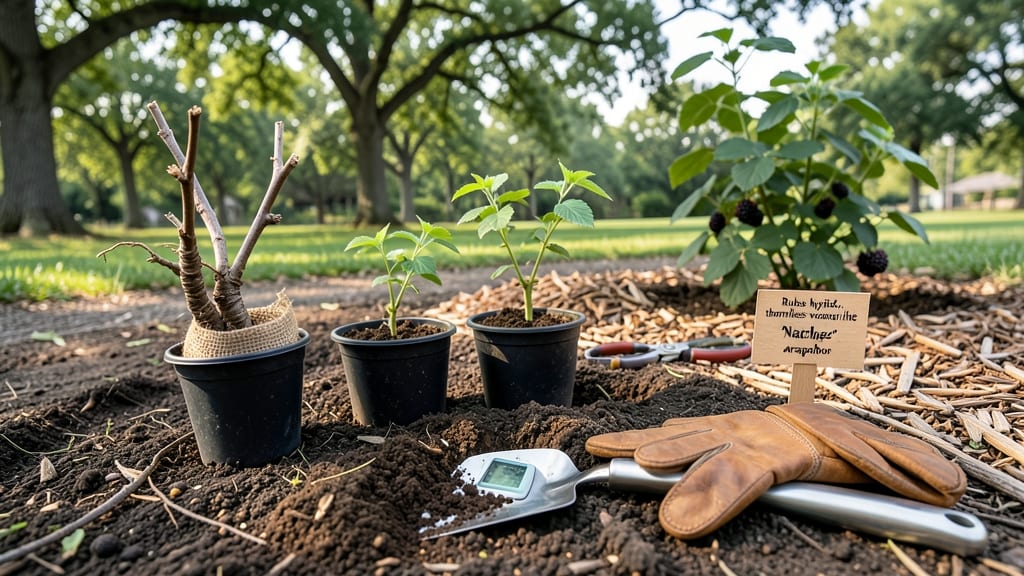
If you’ve ever wondered when to plant blackberries in Arkansas, timing isn’t just about the calendar—it’s about matching your variety to the state’s 7a-8a climate zones and avoiding those pesky late frosts that can ruin your harvest before it even starts.
Picture this: you’ve spent months preparing your soil, selecting the perfect 🫐 variety, and dreaming of juicy berries by summer—only to have a surprise frost nip your young canes. Arkansas’s unique chill-hour requirements mean planting too early or too late can make or break your blackberry bushes.
The key? Understanding whether your chosen variety thrives in Arkansas’s spring or fall windows and how to prep your soil for success.
In this guide, I’ll break down the exact planting windows for Arkansas gardeners, from late winter to early spring or fall, and which varieties (like thornless or traditional) align best with your zone.
You’ll also learn how to time your planting around frost dates, soil conditions, and even humidity—because Arkansas’s climate isn’t just about heat, it’s about survival.
Ready to turn your blackberry patch into a bountiful harvest? Let’s get started with the step-by-step timeline and variety recommendations that actually work for Arkansas’s growing conditions.
Arkansas blackberry planting Zones: chill-hour requirements by variety
Arkansas spans USDA Hardiness Zones 6b through 8a, creating distinct microclimates that affect blackberry planting success. The key factor? Chill-hour requirements—the number of hours below 45°F (7°C) your blackberries need to break dormancy and thrive.
Most Arkansas varieties require 300 to 1,000 chill hours, but choosing the wrong type for your zone can mean poor fruiting or no harvest at all.
For example, floricane varieties (like 'Natchez' or 'Ouachita') need 500-800 chill hours and thrive in Zones 6b-7b, while primocane varieties (like 'Prime-Ark Freedom') tolerate 300-500 chill hours and suit Zones 7a-8a. Matching your variety to your zone ensures healthier canes and bigger yields.
Here’s how Arkansas’s zones break down for blackberry planting:
| USDA Zone | Chill Hours Needed | Best Varieties | Planting Window |
|---|---|---|---|
| 6b (North AR) | 800-1,000+ | Natchez, Chester, Ouachita | Late March–April |
| 7a (Central AR) | 500-800 | Prime-Ark Freedom, Apache, Arapaho | Late March–May or Sept–Oct |
| 7b (South AR) | 300-500 | Prime-Ark 450, Navaho, Choctaw | Feb–March or Sept–Nov |
| 8a (Southeast AR) | 300-400 | Prime-Ark Freedom, Kiowa, Comanche | Jan–Feb or Sept–Oct |
If you’re in Zone 7b or warmer, prioritize primocane varieties like 'Prime-Ark Freedom'—they produce fruit on new growth, so they’re more forgiving if you miss the traditional chill window.
For Zones 6b-7a, stick to floricane types that need more winter chill to set fruit buds for next year’s harvest.
Pro tip: Use a chill-hour calculator (like the one from the University of Arkansas Extension) to confirm your local chill hours. Arkansas’s humid subtropical climate can sometimes undercut chill accumulation, so don’t assume your zone’s average applies to your specific yard.
For thornless varieties, like 'Prime-Ark Freedom' or 'Arapaho', you’ll still need to match chill hours, but their ease of harvest makes them worth the extra planning. Thornless blackberries are ideal for family-friendly gardens or areas where kids or pets might brush against the canes.
One common mistake? Planting high-chill varieties in Zone 8a. These bushes may leaf out but fail to fruit because they didn’t get enough winter chill. Always check a variety’s chill-hour range before buying, and ask your local nursery for Arkansas-tested cultivars.
Ready to plant? Start by testing your soil’s pH (5.5-6.5 ideal) and drainage. Blackberries hate soggy roots, so amend heavy clay soil with compost or sand if needed. Once your site is prepped, you’re ready for the next step: choosing your planting season.
Step-by-step planting timeline for Arkansas’s spring and fall seasons
Arkansas’s spring and fall planting windows offer two prime opportunities to establish your blackberry bushes, but each comes with unique challenges.
For spring planting (March-May), aim to get canes in the ground 4-6 weeks before your last frost date—typically by mid-March—to give roots time to establish before summer heat arrives.
Fall planting (September-October) lets canes settle in without competing with summer’s intensity, but you’ll need to protect them from early frosts.
The key difference? Spring planting prioritizes early root growth before the heat of summer, while fall planting focuses on winter chill accumulation (critical for fruit production). Both methods work in Arkansas, but your USDA zone (7a-8a) and chosen variety will dictate which window suits you best.
🌱
-
📅 MarchSoil Prep: Test soil pH (aim for 5.5-6.5) and amend with compost. Till in 2-3 inches of organic matter.
-
📅 Late MarchPlanting: Transplant dormant canes 4-6 weeks before last frost (mid-March). Space 4-5 feet apart in full sun.
-
📅 April-MayEstablishment: Water deeply 2-3x/week and mulch with 3 inches of straw to retain moisture.
-
📅 SeptemberSoil Prep: Improve drainage if needed (blackberries hate soggy roots) and add aged compost for nutrients.
-
📅 OctoberPlanting: Plant 6-8 weeks before first frost (early October). Use mulch immediately to insulate roots.
-
📅 NovemberWinter Prep: Add extra mulch (4-6 inches) after first frost to protect canes from freeze-thaw cycles.
For Arkansas gardeners, fall planting often yields better results because it avoids the stress of summer heat and gives canes a head start on root growth before winter dormancy.
However, if you’re planting in Zone 8a (southern Arkansas), spring planting can work too—just be prepared to water more frequently during dry spells.
Pro tip: If you’re unsure about frost dates, use a frost calendar for your county (check the Arkansas Climate Office) and adjust your timeline accordingly. For example, Little Rock (Zone 7b) has a later last frost (April 15) than Fort Smith (Zone 7a) (March 20).
Once planted, your blackberries will need consistent care—like pruning old canes in late winter and fertilizing in early spring—but getting the timing right at planting sets the stage for a productive harvest in 1-2 years. 🌿