
Plants
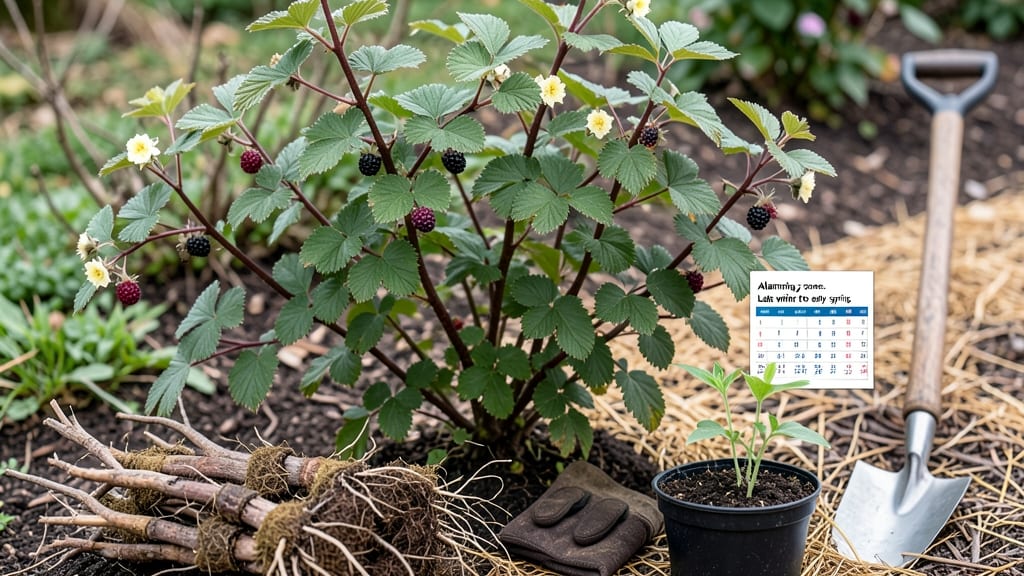
If you're dreaming of a backyard bursting with juicy 🫐 blackberries this year, when to plant blackberries in Alabama is the first critical decision—especially in the state’s warm, humid climate.
Planting your blackberries at the wrong time could mean struggling canes, poor fruit production, or even complete failure before you ever get to taste that first ripe berry.
Alabama's unique growing conditions—from the cooler highlands of the north to the steamy lowlands of the south—mean there's no one-size-fits-all answer. But with the right knowledge, you can match your planting schedule to your local chill hours and frost dates for a thriving blackberry patch.
I'll show you exactly when to plant, whether you're working with bare-root canes or potted plants, so you can set your blackberries up for success from day one.
The key to a productive blackberry harvest starts with understanding Alabama's 7a-8b zones and their specific requirements. Most varieties need 200-1000 chill hours to break dormancy properly, and planting too early or too late can throw off their entire growth cycle.
Let's break down the ideal window—typically late winter to early spring—and how to prepare your soil for maximum growth.
Once you've got the timing down, we'll cover everything from soil prep to post-planting care, so your blackberries establish strong roots and start producing those sweet, plump berries by next summer. Ready to turn your backyard into a blackberry paradise? Let's get started.
Alabama blackberry planting zones: chill-hours breakdown by region
Alabama’s diverse climate—from the cooler Appalachian highlands to the hot, humid Gulf Coast—creates unique challenges for blackberry growers. The key to success lies in matching your USDA zone with the chill-hours your blackberry variety needs.
Most Alabama-grown varieties thrive with 300-1000 chill-hours, but planting at the wrong time can lead to poor fruit set or stunted growth.
For example, thornless varieties like 'Natchez' or 'Ouachitambela' typically require 400-600 chill-hours, while traditional types like 'Apache' or 'Chester' need 800-1000 chill-hours. If you plant too early in South Alabama’s Zone 8a, your canes may break dormancy prematurely and suffer heat stress.
Conversely, delaying planting in North Alabama’s Zone 7a risks insufficient root establishment before summer.
Here’s how to align your planting with Alabama’s microclimates and chill-hour needs:
| Region | USDA Zone | Chill-Hours | Best Varieties | Planting Window |
|---|---|---|---|---|
| North Alabama (Huntsville, Decatur) | 7a-7b | 800-1000+ | Apache, Chester, Navajo | Late Feb - Early March |
| Central Alabama (Birmingham, Montgomery) | 7b-8a | 500-800 | Natchez, Ouachitambela, Triple Crown | Early March - Mid-March |
| South Alabama (Mobile, Dothan) | 8a-8b | 300-500 | Arapaho, Choctaw, Prime-Ark Freedom | Mid-March - Early April |
If you’re unsure about your chill-hours, check your local Alabama Cooperative Extension Service data or use a chill-hour calculator to match your variety.
For instance, Prime-Ark Freedom (a popular thornless variety) thrives in South Alabama’s Zone 8a with just 300-400 chill-hours, while Apache needs 900+ chill-hours, making it ideal for North Alabama’s cooler climate.
Another critical factor is soil temperature. Blackberry canes should be planted when soil temps reach 50°F (10°C)—typically by mid-February in North Alabama and late March in South Alabama.
Planting too early in cold soil can stunt root growth, while waiting too long risks heat stress before roots establish.
For bare-root canes, aim to plant 2-3 weeks before your last frost date (usually mid-February in most of Alabama). Potted blackberries, however, can handle slightly later planting since their roots are already established. Just ensure they’re hardened off if moving from a nursery container to the ground.
Pro tip: Use mulch (straw or pine needles) after planting to retain moisture and regulate soil temperature. This is especially important in Alabama’s hot, dry summers, where mulch can reduce water needs by up to 30% while protecting young roots from temperature swings.
Finally, consider microclimates within your region. A north-facing slope in Birmingham might mimic North Alabama’s cooler conditions, while a south-facing yard in Mobile could feel like Zone 9. Adjust your planting window accordingly—sometimes just a few weeks can make the difference between a thriving patch and a failed crop.
🫐
Step-by-step planting timeline for Alabama’s microclimates
Alabama’s diverse climate—from the cooler Appalachian foothills to the steamy Gulf Coast—means your blackberry planting timing should vary by region. In North Alabama (USDA Zones 6b-7a), like Huntsville or Decatur, aim for late February to early March when soil temps hit 50°F (10°C).
Meanwhile, South Alabama (Zones 7b-8a), including Mobile or Dothan, should wait until mid-March to early April to avoid heat stress on young canes.
For bare-root plants, soak roots overnight before planting to ensure hydration. If using potted blackberries, transplant as soon as roots fill the container—typically in March for most areas.
The key is planting 2-3 weeks before your last frost date (usually mid-February in North Alabama and late February in South Alabama), giving canes time to establish roots before summer’s intensity.
- 🌱 Late Winter (Feb): Soak bare-root canes overnight; test soil temp (50°F+).
- ✂️ Early Spring (Mar): Prune old canes; amend soil with compost (pH 5.5-6.5).
- 🪴 March-April: Plant bare-root or potted blackberries 2-3 weeks pre-last frost.
- 💧 April-May: Water deeply 2x/week; mulch to retain moisture.
- ☀️ May-June: Monitor for pests; fertilize with 10-10-10 (1 cup/10 sqft).
Adjust your timeline if unseasonable frosts threaten. In North Alabama’s higher elevations, like Madison or Cullman, watch for late frosts into March and delay planting until April 1 if needed.
Conversely, South Alabama’s coastal areas (e.g., Baldwin County) may experience earlier soil warming, allowing planting as early as February 20 for heat-tolerant varieties like ‘Natchez’ or ‘Ouachita’.
Pro tip: Use row covers if planting early to protect young canes from 32°F (0°C) frosts. Remove covers by late April to avoid trapping heat and encouraging fungal diseases like anthracnose.
In South Alabama, where humidity spikes early, prioritize well-draining soil and morning watering to prevent root rot.
After planting, stake canes to support 6-12 ft growth and train them along trellises or wires. In North Alabama, canes may need winter protection with mulch or burlap wraps in harsh winters, while South Alabama’s milder winters often require minimal protection.
Monitor for spider mites or Japanese beetles, common in Alabama’s heat and humidity.
By following this regional timeline, your blackberries will establish strong roots before Alabama’s brutal summer heat arrives, setting the stage for abundant fruit in late spring/early fall. Patience in planting pays off with juicy, flavorful berries that Alabama’s climate can deliver—if you time it right! 🫐