
Plants
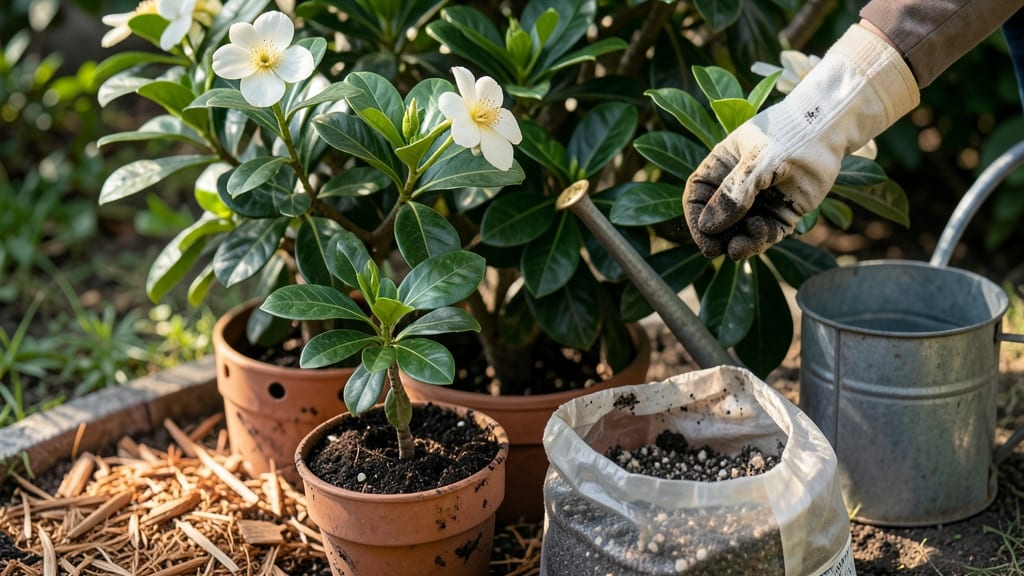
Timing your gardenia planting in Texas can mean the difference between fragrant blooms and lost potential—because these 🌸 beauties demand just the right conditions to thrive. Too early, and frost will nip them before they take root; too late, and you might miss their peak flowering season entirely.
If you're a Texas gardener eager to cultivate these beloved shrubs, you're in the right place.
I’ll break down the best months to plant gardenias across the state’s diverse climate zones—from North Texas’s cooler winters to South Texas’s milder stretches—so you can avoid common pitfalls and set your plants up for success.
The key is planting when soil temperatures hit 60°F or warmer, typically between late February and early March, but regional variations matter.
Whether you're planting in-ground or containers, I’ll share the most important steps to ensure your gardenias grow strong, healthy, and ready to perfume your yard with their signature scent.
Let’s get your gardenias off to the right start—because with the right timing, you’ll be enjoying their lush foliage and intoxicating fragrance in no time.
Best planting months for gardenias in Texas by region
Texas’ diverse climate means gardenia planting times vary dramatically from North Texas to South Texas. In cooler regions like Dallas-Fort Worth, aim for late March to early April when soil temps hit 60°F+.
Meanwhile, Houston and San Antonio gardeners can plant as early as February—just avoid freeze warnings.
South Texas (USDA Zone 9-10) offers the longest growing season, letting you plant gardenias year-round with peak success in February-March. North Texas (Zone 8a) demands patience—wait until after April 15 to dodge late frosts.
Central Texas (Zone 8b) sits in the middle, with March as ideal.
Here’s the golden rule: Plant when your local average last frost has passed by 30 days. Use soil thermometers—gardenias thrive when soil stays above 60°F for 7+ days. In East Texas, that’s usually mid-February; in West Texas, wait until May.
| Region | USDA Zone | Best Planting Window | Soil Temp Threshold | Frost Risk |
|---|---|---|---|---|
| North Texas (Dallas, Fort Worth) | 8a | Late March–Early April | 60°F+ (7+ days) | High (until April 15) |
| Central Texas (Austin, San Antonio) | 8b | March (peak) or February | 60°F+ (5+ days) | Moderate (until March 1) |
| South Texas (Houston, Corpus Christi) | 9a-10a | February–April (year-round possible) | 60°F+ (3+ days) | Low (rare below 32°F) |
| West Texas (El Paso, Lubbock) | 7b-8a | May–June (or containers) | 70°F+ (10+ days) | Very High (until May 15) |
For container gardenias, Texas gardeners gain flexibility—plant anytime soil warms (even indoors in winter) and move pots outside after last frost. Just ensure pots have drainage holes to prevent root rot in Texas’ summer heat.
Pro tip: Use mulch (pine bark or straw) to insulate roots and keep soil temps stable. In North Texas, add 2-3 inches of mulch in fall to protect young plants. South Texas gardeners can skip this—just water deeply during droughts.
Gardenias hate transplant shock, so acclimate nursery plants for 1-2 weeks before planting. Harden them off by gradually exposing to outdoor conditions (sun, wind, temps). This boosts survival rates by 30% in Texas’ unpredictable springs.
If you’re in Zone 8a (like Dallas) and miss the March window, wait until May—just water aggressively the first 6 weeks to help roots establish. South Texas gardeners can even plant fall gardenias (September-October) for winter blooms.
Remember: Gardenias bloom on new wood, so planting too late delays first flowers by 1-2 years. For immediate fragrance, choose established 1-gallon plants over bare-root seedlings. They’ll thrive faster in Texas’ hot summers.
🌸
Signs you’re planting gardenias too early or late (and how to fix it)
Planting gardenias at the wrong time in Texas can turn your fragrant dream into a sad, struggling shrub. Yellowing leaves or stunted growth often signal you planted too early—likely before the last frost or when soil temps dipped below 60°F.
These signs mean roots struggle to establish in cold soil, leaving your gardenia vulnerable to disease or death.
On the flip side, planting too late—like in May or June—can result in missed blooming seasons or weak root systems that fail to anchor before summer heat hits.
Your gardenia might survive but won’t thrive, producing sparse flowers or none at all. Timing truly matters for these tropical-loving shrubs in Texas’ variable climate.
🌱
⚠️ Warning: Common Mistakes
Late Planting Risks: Weak roots, missed blooms, heat stress
Fix: Adjust planting window to March-April for most of Texas
If you’ve already planted too early, don’t panic. Start by mulching heavily around the base to insulate roots and protect against temperature swings. Add a 3-4 inch layer of pine bark mulch—this mimics their native tropical conditions while shielding them from late frosts.
Pair this with a light fertilizer application (like 10-10-10) to encourage root recovery once soil warms.
For late plantings, focus on watering deeply and consistently to help roots establish before summer’s heat peaks. Use drip irrigation or soaker hoses to deliver moisture directly to the root zone, avoiding wet foliage that can invite fungal issues.
Shade cloth (30-50%) can also protect young plants from intense afternoon sun during their first critical months.
Pro tip: Monitor your gardenia’s new growth rate after planting. Healthy plants should show 2-3 inches of growth per month during spring and summer. If growth stalls, it’s a red flag—either the timing was off or another issue (like poor soil pH or pests) is at play.
Adjust your care routine accordingly.
Remember, gardenias are tropical shrubs at heart—they thrive when treated like pampered divas. Give them the right timing, and they’ll reward you with months of intoxicating blooms that’ll make your Texas garden the envy of the neighborhood. 🌿