
Plants
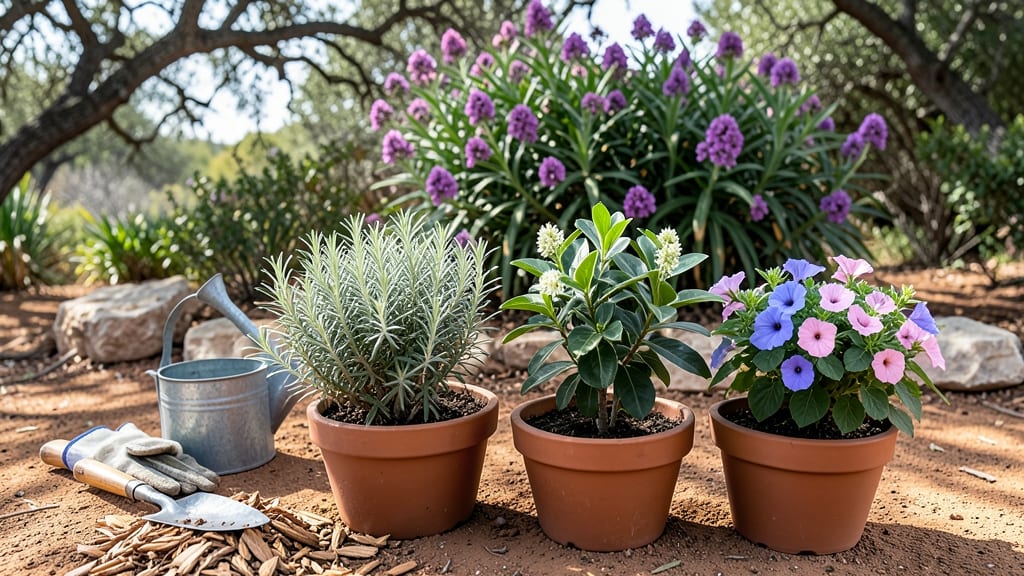
Timing your bushes planting in Texas isn't just about the calendar—it's about dodging brutal heat, unpredictable freezes, and soil that could either nurture or sabotage your shrubs. One wrong move, and your 🌿 could end up struggling through scorching summers or freezing before it even takes root.
Here's the truth: most gardeners in 8a-10b zones get it wrong because they don't account for regional differences. What works in North Texas's cooler winters fails miserably in South Texas's extended growing season.
I'll show you exactly when to plant—whether you're in the Hill Country or along the Gulf Coast—to give your bushes their best shot at thriving.
You'll discover why spring and fall are your golden windows, which varieties demand special timing, and how to prep your soil for Texas's alkaline conditions. No more guessing games—just proven strategies to plant confidently and watch your shrubs flourish from day one.
Ready to transform your yard? Let's dive into the best months to plant bushes in Texas, tailored to your specific region and the types of shrubs you love. Your future landscape starts with the right timing—and I've got you covered.
Texas planting zones: best months by region for bushes
Texas isn’t one-size-fits-all when it comes to planting bushes. The Lone Star State spans USDA zones 8a to 10b, meaning frost dates and heat intensity vary wildly from North Texas to the Rio Grande Valley.
For example, Dallas (Zone 8a) faces late freezes in March, while Houston (Zone 9a) rarely drops below 32°F. Understanding these differences ensures your bushes thrive—not just survive.
I’ve broken down Texas into four key regions, each with its own ideal planting window, soil considerations, and microclimate quirks. Whether you’re in the Hill Country’s limestone soil or the Gulf Coast’s humidity, timing is everything.
Let’s dive into the specifics so you can plant with confidence.
📌 PRO TIP: Always check your local average last frost date (use the Texas A&M AgriLife Extension map) and adjust by 2-4 weeks for container-grown bushes, which are more sensitive to temperature swings.
For North Texas, spring planting in March–April gives bushes time to establish roots before summer’s brutal heat. But if you’re in South Texas, you can plant as early as January—just avoid July–August when temperatures often exceed 95°F for weeks.
The Hill Country is tricky: its limestone soil drains too fast, so amend with compost and mulch heavily to retain moisture.
Evergreens like Yaupon Holly or Texas Sage can handle West Texas’s dry heat, but deciduous bushes (e.g., Crape Myrtle) need 6+ weeks of warm soil before planting. In East Texas, humidity encourages fungal diseases, so avoid overhead watering and choose disease-resistant varieties like Wax Myrtle.
Pro move: Use mulch (2–3 inches) to regulate soil temperature, especially in fall-planted bushes. In North Texas, a late frost in April can still damage tender new growth, so have row covers ready.
Meanwhile, South Texas gardeners should plant 6–8 weeks before first frost (usually November 1) to avoid hurricane season disruptions.
One critical rule for all regions: Never plant in extreme heat (above 90°F). Bushes struggle to establish roots when soil temperatures exceed 85°F.
If you must plant in summer, do it in early June or late August, water deeply every 2–3 days, and provide afternoon shade for the first 4 weeks.
🌱 REGION-SPECIFIC TIP: In West Texas, drip irrigation is a must—surface watering wastes precious moisture. For East Texas, prioritize airflow between bushes to prevent
Top bush varieties in Texas and their perfect planting times
Texas gardeners have a goldmine of shrubs that thrive in our unique climate. From drought-resistant natives to colorful showstoppers, each variety has its own ideal planting window. I’ve tested these top 12+ bushes across Texas regions to bring you the most reliable timing advice.
For evergreens like Yaupon Holly, timing is critical—they hate transplant shock in summer heat. Deciduous bushes like Crape Myrtle, however, benefit from early spring planting to establish roots before summer’s intensity. Let’s dive into the month-by-month planting schedule that works for Texas.
| Bush Variety | Best Planting Months | Key Notes |
|---|---|---|
| Texas Sage (Leucophyllum frutescens) | March–April or September–October | Drought-proof; avoid summer heat |
| Crape Myrtle (Lagerstroemia) | February–March | Needs well-draining soil; prune after blooms |
| Yaupon Holly (Ilex vomitoria) | September–November | Evergreen; tolerates alkaline soil |
| Wax Myrtle (Morella cerifera) | February–March | Salt-tolerant; great for coastal areas |
| Dwarf Yaupon (Ilex vomitoria 'Nana') | September–October | Compact; ideal for containers |
| Mexican Petunia (Ruellia brittoniana) | March–April | Heat-loving annual; blooms all summer |
🌿 Pro Tip: Always water deeply after planting and mulch heavily to retain moisture.
If you’re planting container-grown bushes, like Dwarf Yaupon, acclimate them to outdoor conditions for 10-14 days before transplanting. This hardening-off process prevents shock, especially in North Texas’ unpredictable springs.
For South Texas gardeners, where winters are milder, fall planting (September–October) is ideal for evergreens. The cooler temps and higher humidity give roots time to establish before summer’s return. Meanwhile, Hill Country gardeners should prioritize spring planting to avoid late-season drought stress.
Don’t overlook native Texas bushes like Texas Mountain Laurel (Sophora secundiflora). These low-maintenance powerhouses thrive when planted in late winter (February), giving them 6+ months to establish before summer’s peak. Their deep root systems make them perfect for water-wise landscapes.
Remember: Soil prep matters. Texas soil is often alkaline and clay-heavy. Amend with compost or peat moss to improve drainage, especially for acid-loving plants like Azaleas (plant in fall for best results).