Plants
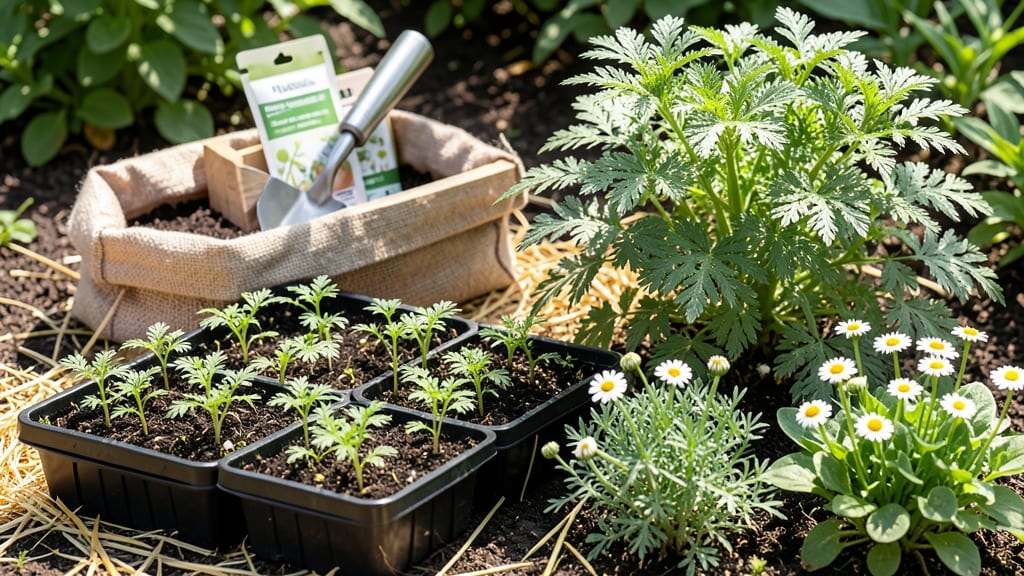
Planting chamomile in Texas isn’t just about timing—it’s about survival. With frost dates that vary from North Texas’s December chill to South Texas’s rare January freeze, getting your 🌼 in the ground at the wrong time means wilted dreams before they even bloom.
But here’s the good news: Chamomile thrives in Texas if you play by the rules. Whether you’re in Zone 8a’s North Texas or Zone 10a’s Central Texas, the key is planting in September-November (fall) or February-March (spring)—when soil temps are just right and frost isn’t lurking.
Think you can just toss seeds anytime? Think again. I’ll break down the exact months to plant for zero-frost survival, plus how to keep your chamomile lush through Texas’s brutal summers—so you’re harvesting fragrant blooms by April or June instead of scratching your head in frustration.
Ready to turn your Texas garden into a chamomile oasis? Let’s dive into the best planting schedule for your region, so you’re not left with sad, sun-scorched herbs—or worse, frostbite before the first bloom.
Best months to plant chamomile in Texas: frost-free survival guide
Texas gardeners, listen up—chamomile thrives in mild temperatures and consistent moisture, but our extreme heat and unpredictable frosts can sabotage your harvest. The secret? Plant at the right time to avoid frost damage while escaping summer’s scorching sun. Let’s break down the optimal planting windows for your Texas region.
Chamomile is a cool-season herb that performs best when soil temps stay between 60°F and 75°F.
In Texas, this means focusing on fall and early spring planting. German chamomile (the most common variety) is typically grown as an annual in Texas, though it may self-seed if conditions are ideal. Roman chamomile is slightly more hardy but still benefits from strategic timing.
Here’s the key: Plant 6-8 weeks before your average first frost to give roots time to establish. In North Texas (Zone 8a), that’s September to early October.
For Central Texas (Zone 8b-9a), aim for mid-September to November. In South Texas (Zone 9b-10a), you’ve got flexibility—plant from August through November since frost is rare.
Spring planting is also possible but riskier. Wait until soil warms to 60°F (usually late February to March in North Texas) to avoid stunted growth. In South Texas, you can push it to early April if you provide afternoon shade. Never plant in summer—chamomile wilts under 100°F+ heat.
🌱Pro Tip: Use a soil thermometer to check temps before planting. Chamomile roots struggle in hot, dry soil, so aim for below 80°F in fall or above 60°F in spring.
| Texas Region | USDA Zone | Best Fall Planting Window | Best Spring Planting Window | First Frost Date |
|---|---|---|---|---|
| North Texas | 8a | September 15 - October 15 | Late February - March 15 | December 1 |
| Central Texas | 8b-9a | September 1 - November 15 | February 15 - March 30 | November 15 |
| South Texas | 9b-10a | August 15 - November 30 | March 1 - April 15 | January 1 (rare) |
🌡️ Soil Temp Matters: Plant only when soil is <60°F in spring or <80°F in fall.
For perennial chamomile (like Roman chamomile), fall planting is critical. Establish roots before winter to survive mild Texas frosts. In North Texas, a light frost can kill young plants, so use row covers if planting late.
In South Texas, frost is rare, but summer heat is the bigger enemy—plant early to avoid wilting.
🌿Regional Hack: In East Texas (humid), plant in raised beds to improve drainage. In West Texas (dry), mulch heavily to retain moisture. Both regions benefit from afternoon shade during peak summer.
If you miss the fall window, don’t panic—just start seeds indoors in January and transplant after last frost. Chamomile grows quickly (60-90 days to harvest), so timing is flexible if you’re proactive.
The goal? Harvest before summer’s heat (aim for April-May blooms from fall plants or June-July from spring plants).
💡Remember: Chamomile is self-seeding in mild winters. Let some flowers go to seed in fall for natural spring regrowth—no replanting needed! Just thin seedlings in spring to avoid overcrowding.
Best months to plant chamomile in Texas: frost-free survival guide
Texas’s diverse climate—from North Texas freezes to South Texas humidity—means chamomile planting isn’t one-size-fits-all. The key is avoiding last frost dates while giving plants time to establish before summer’s brutal heat.
In Zone 8a (North Texas), aim for September–November or February–March to beat frost and heatwaves. Meanwhile, South Texas (Zones 9b–10a) gardeners can plant year-round, though fall remains ideal for perennial varieties.
Chamomile thrives as a perennial in Texas, but its growth cycle depends on timing. Planting in early fall (September–October) lets roots establish before winter, while spring planting (February–March) ensures blooms by summer.
Avoid summer sowing—chamomile wilts under 100°F+ soil temps, and seedlings struggle to germinate. Instead, use transplants in late summer for a head start.
| Region | Last Frost | First Frost | Best Planting Window | Notes |
|---|---|---|---|---|
| North Texas (Zone 8a) | February 15 | December 1 | September–November or February–March | Use row covers for winter protection. |
| Central Texas (Zone 8b–9a) | January 31 | November 15 | September–October or February–March | Partial shade helps in peak summer. |
| South Texas (Zone 9b–10a) | December 15 | January 1 (rare) | Year-round (peak: September–November) | Prioritize afternoon shade for containers. |
For perennial chamomile, focus on fall planting—it’s the secret to multi-year blooms. In North Texas, sow seeds 6–8 weeks before first frost (early September) to ensure roots harden before winter.
In Central and South Texas, extend planting into October for a second bloom cycle. Pro tip: Direct-sow seeds ¼ inch deep—they germinate faster in cooler soil than transplants.
Spring planting works too, but rush it, and your chamomile will bolt (go to seed) before flowering. Wait until soil temps hit 60°F (usually mid-February in North Texas, late January in South Texas) to avoid stunted growth.
Start seeds indoors in January for transplants ready by March, or buy nursery-grown plants to skip the wait.
Texas’s humidity and heat demand extra prep. Amend soil with compost to improve drainage, and mulch with straw to retain moisture. In West Texas, where water is scarce, group chamomile with drought-tolerant perennials like lavender to share resources.
East Texas’s stickier soils? Mix in sand or perlite to prevent root rot.
Don’t overlook container gardening for urban areas. Chamomile thrives in 5-gallon pots with drainage holes, letting you move plants to shade during 100°F+ heatwaves. Use a lightweight potting mix and water every 5–7 days—containers dry out faster than in-ground beds.
For year-round harvests, stagger plantings every 2–3 weeks from September to March.
Remember: Chamomile’s delicate, but Texas-hardy with the right timing. Master these regional windows, and you’ll enjoy fragrant blooms from spring to fall—no frost or heat stress in sight! 🌼