
Planting
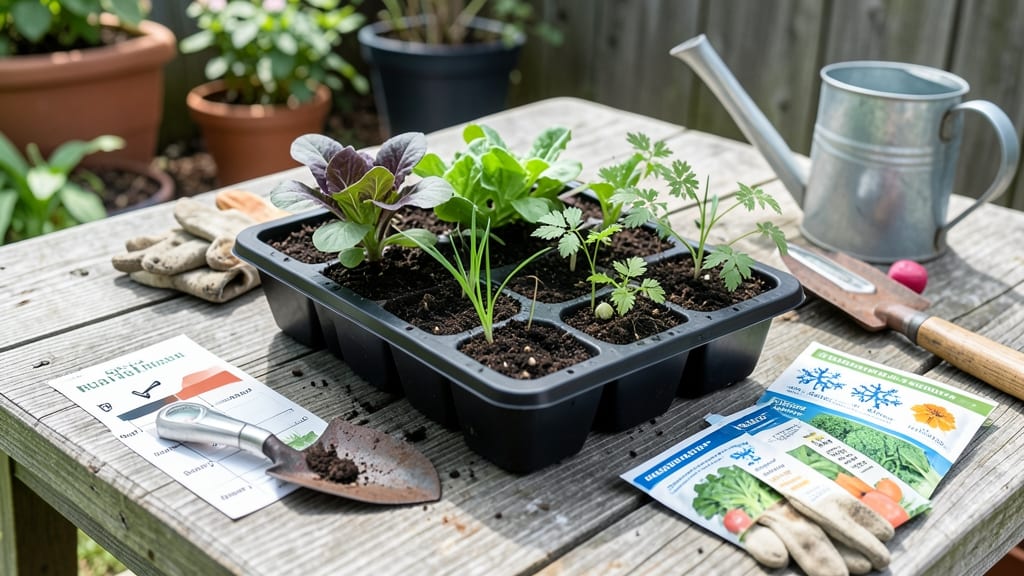
Timing your garden planting in Oregon can make or break your harvest—coastal fog, high-desert heat, and unpredictable frost dates mean one wrong move could leave you with wilted dreams instead of fresh veggies.
Oregon’s USDA Zones 4-8 create a patchwork of microclimates where last frost dates vary wildly—from late April in the Willamette Valley to early June in Eastern Oregon. That’s why knowing exactly when to plant your 🌱 isn’t just helpful; it’s essential for avoiding frost damage and maximizing growth.
In this guide, I’ll break down the perfect planting windows for spring, summer, and fall crops, tailored to Oregon’s unique regions. Whether you’re sowing garlic in March or tomatoes in June, you’ll learn how to sync your garden with nature’s rhythm—no guesswork required.
Ready to transform your backyard into a thriving oasis? Let’s dive into the zone-specific calendar that’ll help you plant with confidence and harvest like a pro.
Oregon planting zones: key dates by USDA Zone (4-8) for zero-frost success
Oregon spans USDA Zones 4 through 8, creating dramatic differences in planting windows. Coastal areas like Astoria (Zone 8) enjoy mild winters, while Eastern Oregon (Zone 4-5) faces harsh freezes. Knowing your zone helps you avoid frost damage and maximize growing seasons.
For example, tomatoes thrive in Zone 7+ but need row covers in Zone 5. Meanwhile, peas and spinach can handle Zone 4’s early spring planting. Let’s break down the last frost dates and ideal planting windows for each zone.
| USDA Zone | Last Frost Date | Cool-Season Start | Warm-Season Start | Notes |
|---|---|---|---|---|
| Zone 4 (Eastern OR) | Mid-May | Late April | Early June | Use cold frames for early crops |
| Zone 5 (Bend, La Grande) | Early May | Early April | Mid-May | Drought-resistant varieties recommended |
| Zone 6 (Portland, Salem) | Late April | Mid-March | Early May | Willamette Valley’s mild winters allow early starts |
| Zone 7 (Southern OR) | Mid-April | February | Late April | Longer growing season for heat-loving plants |
| Zone 8 (Coastal OR) | Early April | January | March | Coastal fog may delay warm-season crops |
In Zone 4, focus on cold-hardy crops like kale and potatoes, while Zone 8 gardeners can push the limits with year-round greens and even tropical plants like okra. The key is adjusting for microclimates—your backyard might be 2-3 weeks earlier than official dates.
For Willamette Valley (Zone 6-7), aim to plant cool-season crops by March 15th and warm-season crops after May 1st. In Eastern Oregon (Zone 4-5), wait until soil warms above 50°F—usually late May—for tomatoes and peppers.
Always check local frost alerts and consider planting dates from your county extension office. For example, Corvallis (Zone 7) often sees 10-14 days earlier than Portland due to urban heat islands.
Pro tip: Use frost cloth to extend your Zone 4-5 season by 2-3 weeks. In Zone 8, prioritize shade-tolerant varieties to combat coastal fog.
Next, we’ll dive into a month-by-month planting calendar tailored to Oregon’s unique climate zones—so you can plan your garden like a pro! 🌱
Month-by-month Oregon planting calendar: what to sow in spring, summer, and fall
Oregon’s mild but unpredictable weather demands a flexible planting schedule. Unlike one-size-fits-all guides, Oregon’s coastal, valley, and desert zones each have unique timing. Start by checking your last frost date—typically mid-April to early June—then adjust based on your microclimate.
For Zone 7 (Willamette Valley), spring planting kicks off in March with hardy crops like peas and spinach. In Zone 4 (Eastern Oregon), wait until mid-May for frost-sensitive plants. Coastal gardeners in Zone 8 (Astoria) can plant earlier (February-March) due to milder winters.
Here’s your month-by-month breakdown for 12 essential crops, including succession planting tips to maximize yields:
Plant cool-season crops like garlic, onions, peas, and spinach. Soil temps should be 40–50°F.
Add lettuce, kale, and carrots. Start warm-season seeds indoors (tomatoes, peppers).
Transplant tomatoes, basil, and cucumbers after last frost. Succession plant beans every 2 weeks.
Sow squash, corn, and zucchini. Direct-seed heat lovers like okra in Zone 8+.
Plant broccoli, cabbage, and radishes for fall harvests. Extend season with row covers.
Sow garlic and hardy greens (spinach, arugula). Protect with mulch for winter.
Pro tip: Succession plant every 2–3 weeks for crops like lettuce, beans, and carrots to ensure a continuous harvest. For example, in Zone 7, plant lettuce every 3 weeks from April to September.
In Zone 4 (Bend, La Grande), avoid planting tomatoes before June 1—early starts risk frost damage. Coastal gardeners in Zone 8 (Astoria) can plant warm-season crops 4–6 weeks earlier than inland areas.
Always check soil temperature with a soil thermometer—most warm-season crops need 60°F+, while cool-season crops thrive in 50–60°F. Adjust your schedule based on microclimate—a sunny south-facing slope warms faster than a shady valley.