Planting
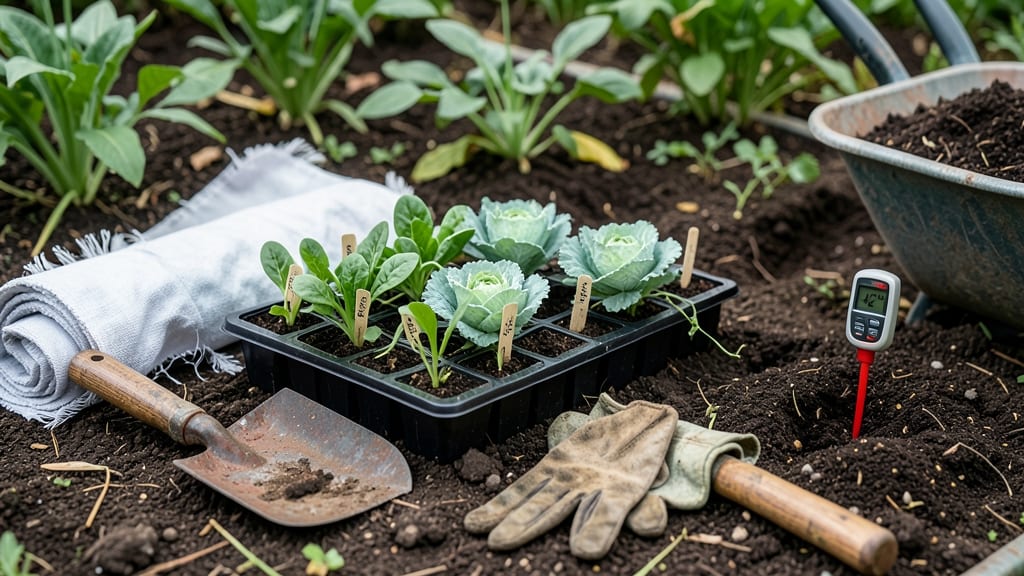
Timing your garden planting in Maine wrong could mean the difference between a bountiful harvest and wasted seeds—but getting it right unlocks a season of fresh tomatoes, crisp lettuce, and thriving herbs.
With frost dates that shift dramatically between coastal Portland and inland Bangor, knowing the exact windows for cool-season crops like peas or warm-season favorites like peppers is non-negotiable.
I’ve spent years tracking Maine’s unpredictable frost patterns, and the key isn’t guessing—it’s working with your zone’s history. Whether you’re in USDA Zone 5-6 or a protected valley where microclimates extend the season, the right timing turns Maine’s short growing window into your advantage.
Let’s break down the critical dates and plants that thrive when you plant them.
From hardy greens in early spring to late-summer tomatoes, this guide covers what to start indoors, what to direct-sow, and how to stretch your season with simple tools like row covers. No more second-guessing—just a clear, zone-specific roadmap to maximize your harvest before the first frost hits in October.
Ready to turn your garden dreams into reality? Grab your calendar, and let’s dive into the perfect planting schedule for Maine’s unique climate.
Maine planting zones: frost dates and last-frost timelines by region
Maine’s USDA Hardiness Zones 5-6 mean frost can strike anytime between April and June, but your exact planting window depends on where you live.
Coastal areas like Portland average their last frost around May 15, while inland cities like Bangor often wait until May 25, and northern regions like Presque Isle may not be frost-free until June 10.
These variations can mean the difference between a thriving garden and a sad, frost-nipped crop.
To plan with confidence, I rely on Maine State Climate Office data and local weather averages.
For example, cool-season crops like peas or spinach can often be planted as early as late April in protected areas, while warm-season crops like tomatoes and peppers need to wait until after the last frost—usually mid-to-late May—to avoid damage.
Even a few degrees of difference can shift your planting timeline by weeks.
🌱
🌡️ Maine Last-Frost Timelines by Region
| Region | Last Frost Date (Avg.) | First Frost Date (Avg.) | Frost-Free Days | Best for Cool Crops | Best for Warm Crops |
|---|---|---|---|---|---|
| Coastal (Portland) | May 15 | October 5 | 143 days | Late April | May 20 |
| Central (Bangor) | May 25 | October 10 | 138 days | Early May | June 1 |
| Northern (Presque Isle) | June 10 | September 20 | 102 days | Mid-May | June 15 |
| Protected Valleys (e.g., Androscoggin Valley) | May 10 | October 15 | 158 days | Late April | May 25 |
Data sourced from Maine State Climate Office and UMaine Cooperative Extension. Always verify with local weather updates!
Even within these averages, microclimates play a huge role. For example, a south-facing slope in Augusta might warm up enough to plant cucumbers by May 20, while a frost pocket in Greenville could delay planting by a full week.
To refine your schedule, I recommend checking local frost alerts from the National Weather Service or using a soil thermometer—aim for 50°F (10°C) for most vegetables.
For cool-season crops like kale, broccoli, or lettuce, I start planting as early as late March or April under row covers or in a cold frame. These hardy plants can handle light frosts and often produce faster in Maine’s cool springs.
Meanwhile, warm-season crops like peppers, eggplants, and basil need to wait until after the last frost—usually mid-to-late May—and may benefit from a 6-week indoor start to maximize their 120-day growing window before frost.
If you’re unsure about your local frost dates, I suggest planting a test crop like radishes or spinach in early May. These fast-growing plants will tell you if your soil is warm enough for other vegetables.
For extra protection, I always keep frost cloth on hand—it can add 4-8°F of warmth and extend your planting season by 2-3 weeks.
🌿
One common mistake I see is assuming that because the air temperature is warm, the soil is ready. In Maine
Best plants to start indoors vs. direct-sow in Maine’s short season
Maine’s 120–150-day growing season demands smart planning—starting some plants indoors and others directly in the soil maximizes your harvest before frost. I’ve learned the hard way that peppers and tomatoes need a head start, while lettuce and radishes can handle Maine’s cool soils.
The key is matching each plant’s days to maturity with your zone’s frost-free window.
For warm-season crops like tomatoes and basil, begin seeds indoors 8–10 weeks before your last frost date (typically mid-May). These plants won’t germinate in cold soil, so indoor starts are non-negotiable.
Meanwhile, cool-season crops like spinach and peas can go straight into the garden as soon as the soil is workable—often by early April in protected areas.
🌱Pro Tip: Use a seedling heat mat for slow starters like parsley or dill, which struggle in Maine’s cool greenhouses. My herbs always sprout faster when I keep them warm for the first 2 weeks.
Timing isn’t just about dates—it’s about soil temperature. Test your soil with a thermometer; most seeds need 40–50°F to germinate. I’ve seen radishes bolt in 3 days if planted too early, so always check before sowing.
For warm crops, wait until soil hits 60°F or use black plastic mulch to warm it faster.
🌿Maine-Specific Hack: Use row covers to direct-sow cucumbers and zucchini 2 weeks earlier than usual. I’ve added 10 extra days to my harvest by protecting young plants from late frosts. Just remove covers when flowers appear to prevent heat stress.
Finally, create a 30-day pre-planting