
Plants
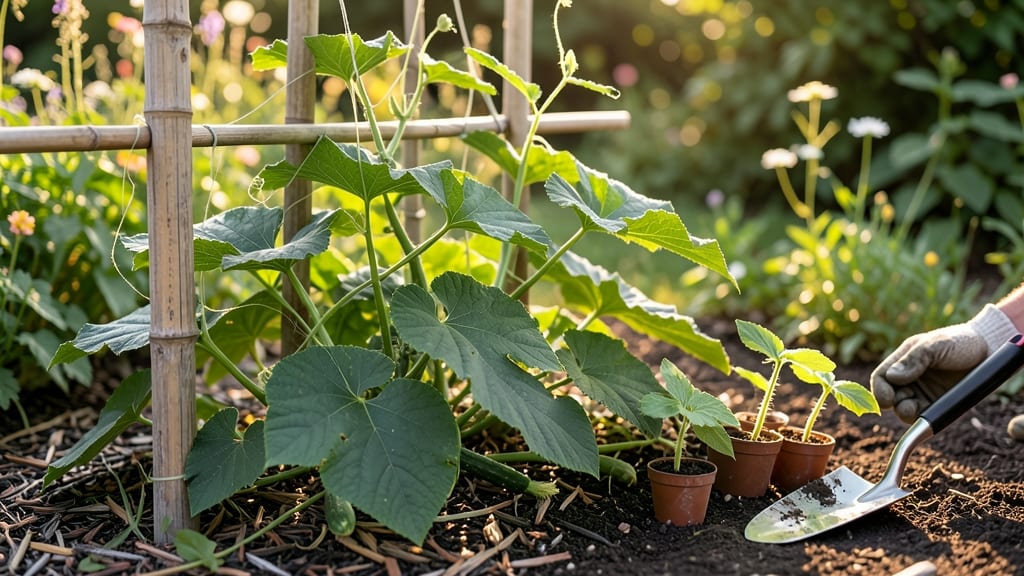
Timing your 🥒 cucumber planting in Central Texas can make or break your harvest—get it wrong, and you’ll either fry your seedlings in early heat or miss the sweet spot for peak production.
The key isn’t just waiting for spring’s last frost (usually around March 15), but also accounting for soil temperatures that need to hit at least 60°F before seeds sprout.
If you’ve ever watched your cucumbers wilt under 100°F heat or bolt too fast for a usable harvest, you know how critical the right window is.
Central Texas’s USDA Zone 8a-8b climate gives you two prime chances: spring (mid-March to early May) and fall (late August to early September), but each comes with its own challenges—like avoiding early heat stress or late-season pests.
I’ll break down exactly when to plant for maximum yield, how to adjust for urban vs. rural microclimates, and which heat-tolerant varieties thrive here. Whether you’re a first-time gardener or a seasoned grower, these insights will help you beat the heat and enjoy fresh 🥒 cucumbers from May to October.
Ready to stop guessing and start growing? Let’s dive into the perfect planting schedule tailored for Central Texas’s scorching summers and unpredictable springs.
Central Texas cucumber planting calendar: exact start dates by heat zone
Central Texas's USDA Zones 8a-9b bring intense heat and unpredictable weather patterns, making cucumber planting a timing-sensitive task. Unlike cooler climates, cucumbers here thrive when soil temperatures hit 60°F+, and air temps stay below 90°F during critical growth stages.
Getting the timing wrong means struggling with heat stress or missed harvests.
For spring plantings, aim for mid-March to early May—just after the last frost (typically around March 15 in Austin). Fall plantings should start late August to early September to ensure cucumbers mature before the first frost (November 15).
These windows align with Central Texas's 215 frost-free days, maximizing your growing season.
Microclimates matter! Urban areas like Austin and San Antonio often experience urban heat islands, pushing soil temps higher earlier than rural areas. Use a soil thermometer to confirm readiness—60°F+ soil is non-negotiable for germination.
In Waco, where heat arrives faster, delay planting by 1-2 weeks to avoid early-season stress.
| Planting Window | Soil Temp | Air Temp Threshold | Heat Zone Notes |
|---|---|---|---|
| Spring: Mid-March to Early May | 60°F+ | Below 90°F | Urban areas: Delay 1-2 weeks |
| Fall: Late August to Early Sept | 60°F+ | Below 85°F | Rural areas: Plant earlier |
| Direct-Seeded | 65°F+ | N/A | Best for heat tolerance |
| Transplanted | 55°F+ | Below 80°F | Use shade cloth for 1-2 weeks |
Not all cucumber varieties handle Central Texas heat equally. Heat-tolerant varieties like 'Straight Eight' and 'Lemon Cucumber' thrive in 90°F+ temps, while 'Marketmore' struggles above 85°F.
Start seeds indoors 4-6 weeks before the last frost to give seedlings a head start, or opt for direct sowing once soil warms to 65°F+ for faster, hardier plants.
Fall plantings require extra attention. Cucumbers need 55-60 days to mature, so late August starts ensure harvests before frost. Use black plastic mulch to warm soil faster and retain moisture, especially in clay-heavy soils common in Waco.
In Austin, where humidity spikes in fall, space plants 3-4 feet apart to improve airflow and reduce disease risk.
Missed the spring window? No problem—succession planting every 2 weeks in spring or 1 week in fall keeps cucumbers coming. Just adjust spacing: crowd plants in early spring for faster canopy coverage, but space them out in summer to prevent overheating.
A drip irrigation system is a game-changer here, delivering 1-2 inches of water weekly without wetting leaves and inviting fungal diseases.
Pro tip: Monitor your local Cooperative Extension Service updates for real-time frost and heat advisories. In San Antonio, for example, Southside gardens often see 5°F warmer soil temps than Northside yards—adjust your planting dates accordingly.
With the right timing, you’ll turn Central Texas’s brutal heat into your cucumber harvest advantage.
Remember, soil prep is just as critical as timing. Amend clay soil with compost to improve drainage, and add a 5-10-10 fertilizer at planting to give cucumbers the nutrients they need to fight off heat stress. The goal? Healthy vines that produce crisp, flavorful cucumbers despite the Texas sun.
🌱
How to extend your cucumber growing season in Central Texas heat
Central Texas summers can push temperatures past 100°F, making cucumbers bolt or wilt if not protected. The key to success? Heat management through shade, mulch, and variety selection. I’ve grown cucumbers in 95°F+ heat for years using these proven strategies.
First, choose heat-tolerant varieties like 'Straight Eight' or 'Lemon Cucumber'—they thrive in 90-100°F ranges without bolting. Pair them with shade cloth (30-50%) during peak afternoon sun (12 PM–4 PM) to lower soil temps by 10-15°F.
🌡️ Heat Survival Tips
30-50% block
3-4 inches straw
Morning-only water
Reduces leaf burn
Mulch with straw or black plastic to keep soil temps stable—plastic can add 5-10°F during heatwaves, while straw retains moisture. Water deeply early morning (6-8 AM) to prevent fungal diseases like powdery mildew, which thrives in 90°F+ humidity.
For fall plantings, start seeds indoors in late July and transplant after September 1 (when temps dip below 90°F). This gives vines time to establish before winter sets in. I’ve had success with 'Marketmore 76' in fall—it handles 80-85°F better than most varieties.
Watch for heat stress signs: yellowing leaves, curled vines, or blossom drop. If you see these, prune lower leaves to improve airflow and increase water frequency to daily during 100°F+ days. A fan on low near plants can also reduce heat stress by 3-5°F.
With these adjustments, you can grow cucumbers June through October in Central Texas—just be ready to adapt quickly when temps spike. The payoff? Fresh, homegrown cucumbers when grocery store options wilt on the vine! 🥒