
Planting
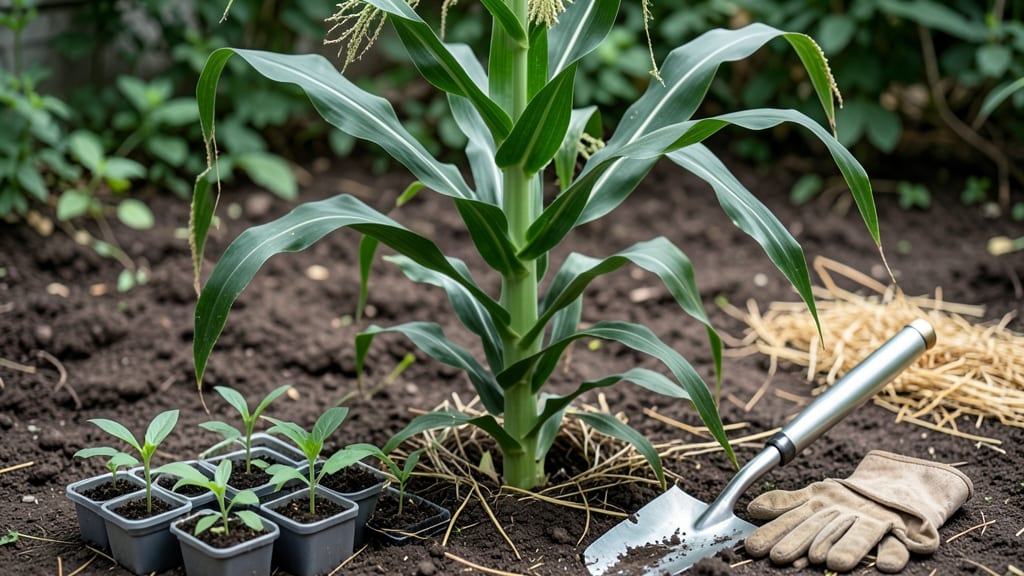
Timing your garden planting in Iowa wrong can mean the difference between a bountiful harvest and wasted effort—especially when late frosts strike without warning. With USDA Zones 4a-5a across the state, knowing when to plant isn’t just helpful—it’s essential for avoiding common mistakes that even experienced gardeners make.
I’ve spent years tracking frost dates and soil temperatures, and the key is understanding how Iowa’s microclimates vary from county to county. Whether you’re in Des Moines or Sioux City, planting too early can leave your seedlings vulnerable, while waiting too long might cut your growing season short.
Let me show you the exact windows to maximize your garden’s potential.
You’ll discover how to use Iowa State University’s frost data to pinpoint the safest planting dates for everything from cold-hardy greens to heat-loving tomatoes.
I’ll also share my top strategies for adjusting your schedule based on unpredictable weather—so you can plant with confidence, no matter what Mother Nature throws your way.
Ready to transform your garden from guesswork to guaranteed success? Let’s dive into the county-specific planting calendar that’ll help you grow like a pro—without losing a single seedling to frost.
Iowa’s last frost dates by county: exact timing for zero-failure planting
Timing your garden correctly in Iowa means the difference between a bountiful harvest and wasted seeds. The state’s USDA Zones 4a-5a create dramatic variations—northern counties like Worth can see frosts until May 20, while southern Scott County often warms up by April 25.
Using Iowa State University’s frost data, I’ve broken down the best planting windows for your specific location.
For cold-hardy crops like spinach and peas, you can start seeds 4-6 weeks before your last frost date. But frost-sensitive plants such as tomatoes and peppers need to wait until 2 weeks after the average last frost. Let’s dive into the specifics by region.
Pro Tip: Always check your local almanac or Iowa State Extension for real-time updates, as microclimates (like urban heat islands) can shift frost dates by 5-7 days.
If you’re planting warm-season crops like beans or squash, wait until the soil temperature reaches at least 60°F. Use a soil thermometer to check—cold soil stunts growth and delays harvests. In northern Iowa, this often means waiting until late May.
For perennials and asparagus, plant in early spring (March-April) when the ground is workable. These plants establish roots slowly, so earlier is better—just cover them with straw mulch if late frosts threaten.
Iowa’s first frost typically arrives between September 20 (southern counties) and October 15 (northern regions). Use this to plan fall crops like kale or radishes, which thrive in cooler weather.
Always monitor weather forecasts in the days leading up to planting. A 10-day rule works well: if frost is predicted within 10 days, delay planting frost-sensitive crops by another week. This simple trick has saved my tomato plants multiple times!
For container gardening, you can extend your season by 2-3 weeks in both directions—planting earlier in spring and later in fall—since pots warm up faster. Just ensure containers have drainage holes to prevent root rot.
Remember: No two springs are alike in Iowa. Even if your neighbor plants on April 15, their microclimate might be ideal while yours still has frost risk. When in doubt, start with cold-hardy crops and transition to heat lovers as the season progresses.
How to adjust planting dates for Iowa’s microclimates and unpredictable weather
Iowa’s diverse microclimates mean your neighbor’s perfect planting window might not work for you. Northern counties like Worth or Cerro Gordo often face 2-3 weeks later last frosts than southern areas like Scott or Muscatine.
Even within cities, urban heat islands can create earlier planting opportunities—so don’t rely solely on county averages.
To account for these variations, I use the 10-day rule: Wait until the average last frost date has passed by at least 10 days before planting frost-sensitive crops like tomatoes or peppers.
For cold-hardy plants such as spinach or peas, you can start 2-3 weeks earlier—but always monitor soil temperatures (aim for 45°F or warmer for most vegetables).
The National Weather Service and Iowa State University Extension provide real-time frost predictions, but I also track my own data. For example, in Des Moines (Zone 5b), I’ve seen last frosts range from April 15 to May 5 over the past decade.
Planting cucumbers or squash before April 25 risks frost damage—even if the forecast looks promising.
Warning: Don’t Trust "Early" Planting Hype
Some gardeners rush to plant warm-season crops in late April, but northern Iowa’s late frosts (like in Winneshiek County) can still hit in May. Use row covers or cold frames to extend early planting—but never skip the 10-day buffer for high-value crops.
For fall planting, I follow the opposite rule: Start seeds 8-10 weeks before the first frost (typically October 10-20 in most of Iowa).
In southern Iowa, you can squeeze in a second planting of bush beans or radishes as late as September 15, but in northwest Iowa, I stop by September 1 to avoid frost.
Another trick I swear by? Planting succession crops every 2 weeks after the last frost. For example, I’ll plant lettuce or carrots in early May, then again in mid-May and late May to ensure a continuous harvest before summer heat sets in.
This works especially well for short-season crops like bush beans or turnips, which mature quickly.
Finally, don’t overlook microclimate hotspots in your yard. South-facing slopes warm up 1-2 weeks earlier than shaded areas, while low-lying spots can stay cold longer. I always test soil temperature with a thermometer before planting—if it’s below 50°F, even frost-resistant crops like kale or Swiss chard may struggle.
When in doubt, start seeds indoors and transplant after the last frost.
With these adjustments, you’ll avoid the heartbreak of frost-nipped seedlings and maximize your garden’s potential—no matter where in Iowa you’re gardening. Happy planting! 🌱