
Planting
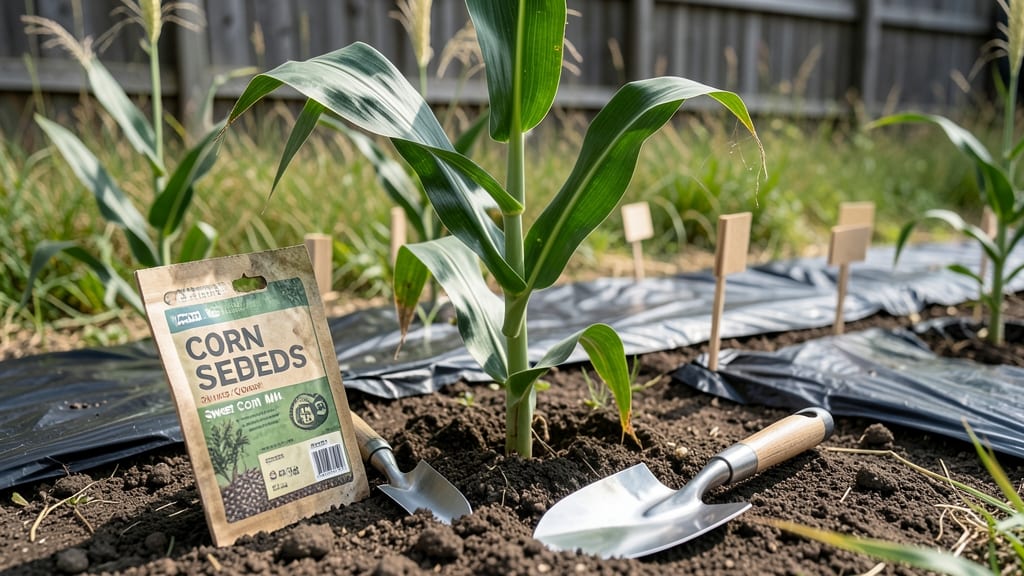
Knowing when to plant a garden in Iowa could mean the difference between a thriving harvest and wasted effort—especially when you're working with USDA Zone 5b's unpredictable spring frosts. The wrong move, and you might end up with bolted lettuce or stunted tomatoes before summer even kicks in.
If you've ever stared at seed packets wondering, "Why does it say 'plant after last frost' when my neighbor's already got beans sprouting?"—you're not alone.
Iowa's short growing season demands precision, and getting those deadlines right means knowing when the soil warms up, not just when the calendar flips to May.
I'll break down the exact planting windows for your favorite crops—whether you're dreaming of crisp early spring peas or late-summer zucchini—plus how to adjust when Mother Nature throws curveballs. No more guessing games; just science-backed deadlines tailored to Iowa's climate.
Ready to turn your garden into a productive powerhouse? Let's dive into the must-know timing that'll have your plants thriving from seed to harvest—without the stress of last-minute frost damage.
Iowa’s planting deadlines by crop type: USDA Zone 5b schedule
Iowa’s USDA Zone 5b growing season is short but productive when you follow precise planting deadlines. The average last frost date in most of Iowa falls between April 15–May 1, while the first frost typically arrives in October 15–November 1.
To maximize your harvest, align planting with these frost-free windows and soil temperatures.
Cool-season crops like spinach, peas, and kale thrive in Iowa’s spring and fall when temperatures hover between 40°F–65°F. Meanwhile, tomatoes, peppers, and cucumbers need to wait until soil warms to 60°F+, usually by late May. Missing these windows can lead to stunted growth or crop failure.
Here’s your Iowa-specific planting schedule for vegetables, herbs, and flowers, organized by crop type and season. Use this as your roadmap to avoid common mistakes like planting warm-season crops too early or cool-season crops too late.
| Crop Type | Planting Window | Soil Temp Requirement | Notes |
|---|---|---|---|
| Cool-Season Vegetables | Early Spring (March 15–April 15) or Fall (August 15–September 15) | 40°F–65°F | Direct sow or transplant. Use row covers for frost protection. |
| Warm-Season Vegetables | Late Spring (May 1–May 31) | 60°F+ | Start indoors 6–8 weeks before last frost. Harden off before transplanting. |
| Herbs (Basil, Cilantro) | Spring (April 15–May 15) or Fall (July 15–August 15) | 50°F+ (Basil: 70°F+) | Basil bolts in heat; plant in partial shade in summer. |
| Flowers (Marigolds, Zinnias) | Spring (April 15–May 15) or Fall (July 1–August 15) | 50°F+ | Direct sow after frost. Deadhead for continuous blooms. |
| Perennials (Asparagus, Rhubarb) | Early Spring (March 1–April 15) | 40°F+ | Plant crowns 6–8 inches deep. First harvest in year 3. |
🌱 Pro Tip: Use a soil thermometer to verify temperatures before planting warm-season crops.
For cool-season crops, start seeds indoors 4–6 weeks before your target planting date. For example, if you aim to plant lettuce on April 1, begin seeds indoors by February 28–March 15. This head start gives seedlings a competitive edge against weeds and pests.
Warm-season crops like tomatoes and peppers are more forgiving if planted slightly late, but they’ll struggle if soil temperatures drop below 55°F. To extend your growing season, use black plastic mulch or row covers to warm the soil faster.
I’ve had success with bush beans planted as late as June 1—they tolerate heat better than vining varieties.
Fall planting in Iowa is often overlooked but can yield high-quality harvests of kale, carrots, and radishes. Aim to sow these by August 15 so they mature before first frost. For overwintering crops like garlic and onions, plant bulbs in October for next year’s harvest.
Microclimates in Iowa—like urban heat islands or sheltered garden spots—can shift planting windows by 1–2 weeks. Observe your garden’s specific conditions: South-facing slopes warm up faster, while low-lying areas may hold frost longer.
Adjust your schedule accordingly to avoid common pitfalls like blossom-end rot in tomatoes from inconsistent soil moisture.
Always check the Iowa State University Extension for localized frost date updates, as weather patterns shift yearly. Bookmark their growing degree day calculator to fine-tune your planting timeline. With these deadlines, you’ll turn Iowa’s short season into a high-yielding garden—no wasted seeds or missed opportunities! 🌿
How to adjust planting times for Iowa’s unpredictable weather
Iowa’s unpredictable frost dates and sudden temperature swings can turn a perfect planting plan into a disaster. Last year, my tomato seedlings wilted overnight after a late May frost—a reminder that flexibility is key.
The average last frost date for most of Iowa falls between April 25 and May 10, but don’t rely on averages. Urban areas like Des Moines often experience earlier warming than rural zones, while northern Iowa can see frost well into May.
To protect your garden, start by checking the National Weather Service’s frost predictions or your local Iowa State University Extension office. They provide hyperlocal adjustments based on microclimates. For example, gardens near large bodies of water (like Lake Okoboji) may have 2-3 weeks later frost dates than inland areas.
Use a soil thermometer—plant when soil reaches 45°F for cool crops or 60°F for warm crops.
Succession planting is your secret weapon against Iowa’s short season. Instead of planting all your lettuce or radishes at once, stagger seeds every 2 weeks from April through June. This ensures a continuous harvest and minimizes losses if one batch fails.
For warm-season crops, try fast-maturing varieties like ‘Early Girl’ tomatoes (55 days to harvest) or ‘Cherry Belle’ radishes (25 days).
Heatwaves can also derail your garden. If a 90°F+ stretch hits in June, shade cloth (30-50%) can protect leafy greens from bolting. Mulch with straw or grass clippings to keep roots cool and retain moisture.
For container gardens, move pots to shadier spots during peak afternoon sun. My basil plants thrived this year after I relocated them under a trellis during heatwaves.
Don’t forget about fall planting—Iowa’s second chance for a garden! Cool-season crops like spinach, carrots, and broccoli can be sown as early as mid-August for a harvest before winter.
Aim to plant 6-8 weeks before your first frost (typically October 15-November 1). Use black plastic mulch to warm soil faster in spring or straw mulch to insulate in fall.
Finally, keep a gardening journal to track your Iowa-specific adjustments. Note which varieties thrived, when you planted, and any weather surprises. Over time, you’ll spot patterns—like how my southern exposure garden warms up 10 days earlier than my north-facing beds.
With these strategies, you’ll turn Iowa’s unpredictable weather into an advantage, not a roadblock. 🌱