
Planting
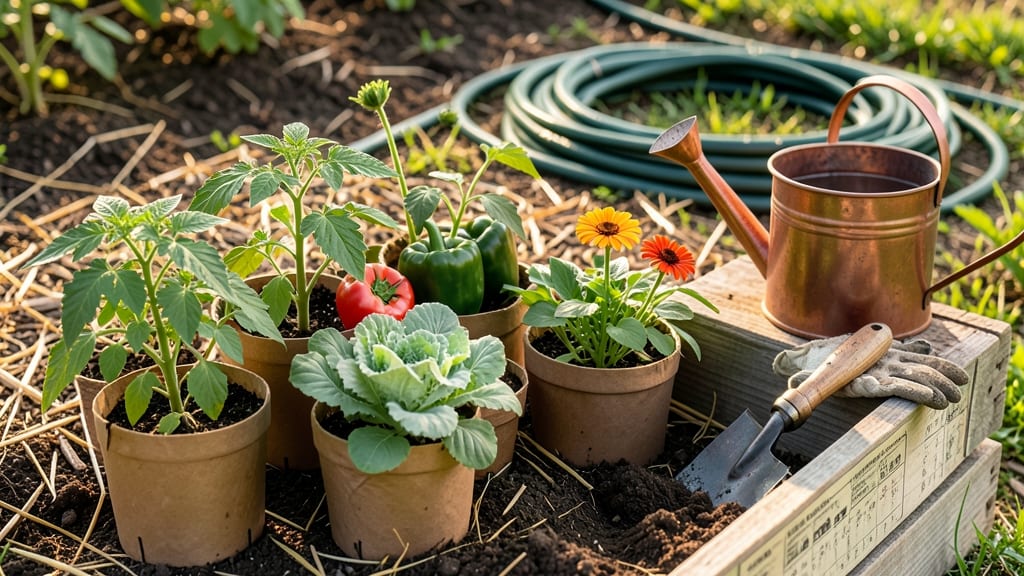
Timing your garden just right in West Virginia can turn a handful of seeds into a bountiful harvest—or leave you wondering why your plants never took off.
With USDA Zone 5b-7a conditions, knowing when to plant isn’t just about following a generic calendar; it’s about working with WV’s unpredictable frosts, humidity swings, and microclimates that can make all the difference.
If you’ve ever stared at a seed packet wondering, "Should I plant this now?" or watched your tomatoes bolt in the heat, you’re not alone.
The key to success lies in understanding West Virginia’s unique planting windows—like starting cool-season crops as early as March 15 or holding off on warm-season plants until soil temps hit 60°F after the last frost.
Let’s break down the exact timing for your 🌱 General Garden Plants so you can maximize your growing season.
From leafy greens that thrive in spring’s chill to heat-loving peppers that need summer’s warmth, each crop has its own ideal window. I’ll walk you through the month-by-month schedule tailored to WV’s climate, including how to adjust for your specific zone and even extend your harvest with smart techniques.
Ready to turn your garden dreams into reality?
Whether you’re a first-time gardener or a seasoned green thumb, mastering these planting dates will help you avoid common pitfalls—like late frosts or stunted growth—and give your plants the best possible start. Let’s get those seeds in the ground at the perfect moment!
West Virginia planting calendar: month-by-month guide for zone 6a crops
West Virginia’s Zone 6a climate means we only get about 165 frost-free days—so timing is everything. Whether you're planting cool-season crops like lettuce or warm-season favorites like tomatoes, knowing the right window can make or break your harvest.
Let’s break down the month-by-month planting schedule tailored to WV’s unique microclimates, from mountain valleys to river plains.
The last frost date in most of WV falls around April 15, but this can shift 1-2 weeks earlier in higher elevations or 1-2 weeks later in sheltered lowlands. Similarly, the first frost typically arrives by October 15.
These dates are your planting anchors—and missing them can mean lost crops. Let’s dive into the details so you can maximize your garden’s potential.
Notice how cool-season crops like lettuce and peas thrive in early spring and late summer/fall, while warm-season crops like tomatoes and peppers need soil temperatures above 60°F—usually after May 15.
In WV’s mountain regions, wait until May 30 or even June 1 to avoid late frosts. Meanwhile, valley areas can safely plant warm-season crops by May 1.
For herbs like basil and flowers like marigolds, aim to plant after the last frost but before July 1 to ensure they mature before fall frosts. These plants are heat-tolerant but still need time to establish. If you’re in a higher elevation
Best crops to plant in West Virginia by season (with success tips)
West Virginia’s USDA Zone 6a climate thrives with cool-season crops in spring and fall, while warm-season crops dominate summer. My top picks for WV gardens include tomatoes, peppers, and strawberries—all of which handle the state’s humidity and short growing season beautifully when planted at the right time.
For spring planting, focus on leafy greens, peas, and radishes—they tolerate cooler temps and give you early harvests. In summer, prioritize heat-loving crops like okra and sweet potatoes, which flourish in WV’s hot, humid summers.
Fall is perfect for broccoli, carrots, and kale, which mature quickly before first frost in mid-October.
🌱 Pro Tip: Use fast-maturing varieties (like Early Girl tomatoes) to maximize harvests in WV’s 165 frost-free days. These varieties reach maturity in 50-60 days, giving you a second harvest before cold sets in.
🌿 Spring Crops (March-May)
- 🥬 Lettuce – 30-50 days to harvest; plant 4-6 weeks before last frost (early March).
- 🌱 Peas – 60-70 days; sow as soon as soil reaches 40°F (late March).
- 🥕 Radishes – 25-30 days; ideal for succession planting every 2 weeks.
- 🌿 Spinach – 40-50 days; tolerates light frost for sweeter flavor.
☀️ Summer Crops (May-July)
- 🍅 Tomatoes – 70-85 days; transplant after last frost (mid-May) with cages or stakes.
- 🌶️ Peppers – 75-90 days; start indoors in March and move out after soil hits 65°F.
- 🍆 Eggplant – 60-85 days; loves full sun and warm soil—ideal for WV’s valleys.
- 🍉 Okra – 50-65 days; thrives in hot, dry conditions—perfect for summer heat.
🍂 Fall Crops (August-September)
- 🥦 Broccoli – 60-80 days; plant 6-8 weeks before first frost (early August).
- 🥕 Carrots – 70-80 days; sow in loose, stone-free soil for straight roots.
- 🥬 Kale – 50-60 days; becomes sweeter after frost—harvest until hard freeze.
- 🍎 Apples (dwarf varieties) – 4-5 years to fruit; plant bare-root in early spring.
West Virginia’s mountain vs. valley microclimates also play a role. Valleys (like the Kanawha Valley) stay warmer longer, allowing late summer plantings of beans or cucumbers. Meanwhile, higher elevations (like Pocahontas County) may need row covers to protect tender crops from late frosts.
For herbs, basil and cilantro thrive in summer, while parsley and chives are perennial and return yearly. Flowers like marigolds and zinnias attract pollinators and repel pests—plant them alongside vegetables for a natural garden boost.
My #1 tip for WV gardeners? Plan for succession planting—sow fast crops like radishes or lettuce every 2 weeks to keep harvests coming. And always check soil temps with a thermometer—warm-season crops need 60°F+ soil to germinate successfully.