
Planting
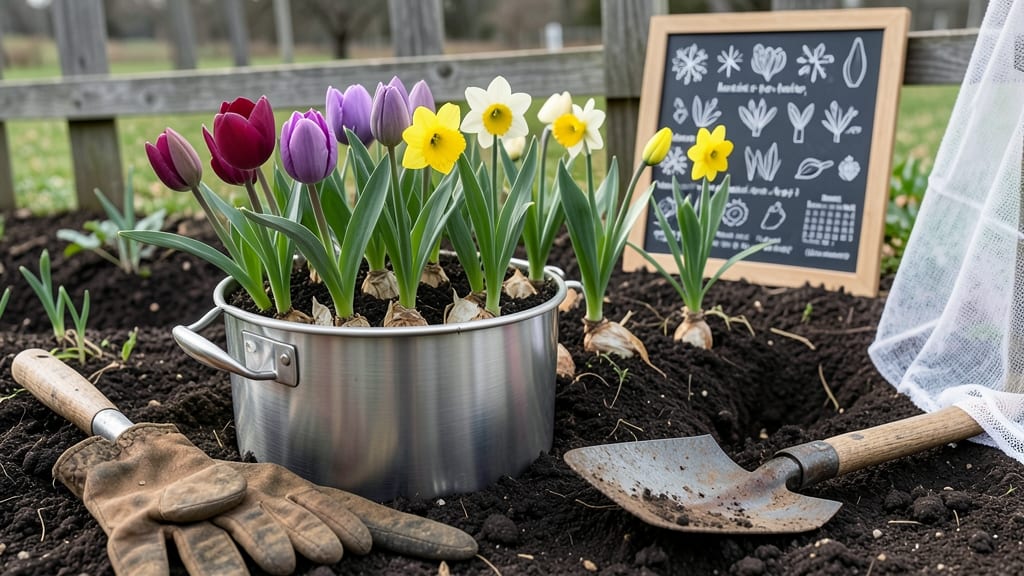
When to plant a garden in Connecticut’s USDA Zone 6B can mean the difference between a thriving harvest and a disappointing flop—especially when unpredictable spring frosts lurk around every corner.
If you’ve ever stared at your seed packets in April wondering, "Is it too early to plant?" or panicked when late-summer tomatoes refuse to ripen, you’re not alone. The key to success lies in understanding Connecticut’s unique frost dates, soil temperatures, and microclimates—from coastal New Haven to inland Hartford.
In this guide, I’ll break down the exact planting windows for your favorite vegetables, flowers, and herbs, so you can align your schedule with nature’s rhythm.
Whether you’re sowing lettuce in March or transplanting peppers in June, these CT-specific tips will help you avoid common pitfalls and maximize your garden’s potential.
Ready to turn your green thumb into a bountiful harvest? Let’s dive into the science-backed timeline that works for Connecticut gardens—and why waiting just a little longer (or planting earlier) can make all the difference.
Connecticut planting calendar by season: exact dates for vegetables, flowers, and herbs
Timing your garden in Connecticut’s USDA Zone 6B means balancing last frost dates (typically mid-April) with soil warmth—cold soil can delay germination. Start with cool-season crops like spinach and peas in early spring, then transition to warm-season plants (tomatoes, peppers) after May 15 when soil hits 55°F.
Fall planting begins 4-6 weeks before frost (around September 1) for hardy crops like kale and carrots.
Connecticut’s microclimates matter—coastal areas (like New London) warm faster than inland regions (like Hartford). Use the UConn Plant Database to find localized frost-free dates and adjust your schedule accordingly. For example, southern CT may support late-summer tomatoes, while northern CT might need earlier varieties.
🌱 Key Rule: Always check soil temperature (not air temp) with a soil thermometer—50°F for peas, 60°F for beans, and 70°F for squash. CT’s clay-heavy soil stays cold longer, so amend with compost to warm up faster.
| Season | Plant Type | Planting Window | Notes |
|---|---|---|---|
| Spring | Cool-Season Veggies | March 15–April 30 | Spinach, peas, lettuce, kale. Start seeds indoors in March. |
| Spring | Warm-Season Veggies | May 15–June 15 | Tomatoes, peppers, cucumbers. Wait until soil is 55°F+. |
| Summer | Succession Planting | June–July | Beans, zucchini, radishes. Replace early crops to extend harvests. |
| Fall | Cool-Season Veggies | September 1–October 15 | Carrots, beets, broccoli. Plant 4-6 weeks before frost. |
| Fall | Perennial Flowers | September–October | Coneflowers, black-eyed Susans. Plant before first frost. |
For herbs, plant basil and cilantro in late spring (after frost) and dill or parsley in early spring or fall. Perennial herbs like thyme and rosemary can go in spring or fall—they’re drought-tolerant once established.
Pro tip: Use row covers to extend your spring planting window by 2-3 weeks. They protect tender seedlings from late frosts while letting sunlight through. Remove covers when daytime temps stay above 50°F.
Don’t overlook fall planting—it’s when root crops like carrots and leafy greens taste sweetest after a light frost. Start broccoli and cabbage by August 15 for a fall harvest before winter sets in.
For flowers, annuals like marigolds and zinnias thrive when planted after May 15, while perennials (e.g., daylilies) can go in spring or fall. Bulbs like tulips should be planted in fall (October) for spring blooms.
Track your progress with a gardening journal—note local frost dates, soil conditions, and plant performance to refine your next year’s schedule. CT’s climate shifts yearly, so flexibility is key!
🌱 Remember: Soil temperature >
How to adjust planting times for Connecticut’s frost risks and soil temperatures
Connecticut’s variable frost dates and clay-heavy soils can make planting feel like a guessing game. But with the right tools, you can outsmart Mother Nature and extend your growing season.
Start by checking the UConn Agricultural Experiment Station’s frost maps—they provide hyper-local last spring frost and first fall frost predictions for your exact location.
A soil thermometer is your next best friend. Most warm-season crops like tomatoes and peppers need soil temps of at least 60°F to thrive, while cool-season crops like spinach and lettuce can handle 40-50°F soils.
In CT, this often means waiting until late April to early May for warm-season plants.
🚨
For succession planting, aim to sow fast-maturing crops like radishes (30 days) or bush beans (50 days) every 2-3 weeks from May through July. This ensures a continuous harvest and maximizes your garden’s potential. In fall, start cool-season crops like kale and carrots by mid-August to harvest before frost.
Hardening off seedlings is another critical step for CT’s unpredictable spring weather. Gradually expose young plants to outdoor conditions over 7-10 days by placing them in a shady, sheltered spot and slowly increasing sun exposure. This builds resilience against temperature swings and wind that are common in New England.
If you’re dealing with slow-warming soils in early spring, consider black plastic mulch or straw bales to raise soil temperatures by 5-10°F. This trick is especially useful for heat-loving plants like cucumbers and squash, which struggle in CT’s cool, damp springs.
Always remove mulch once soil temps stabilize to avoid overheating roots in summer.
Finally, keep an eye on microclimates—coastal areas like Groton or Stonington may have later frosts than inland spots like Hartford. Adjust your planting dates by 1-2 weeks based on your specific location.
With these adjustments, you’ll beat the frost and grow a garden that thrives all season long. 🌱