
Plants
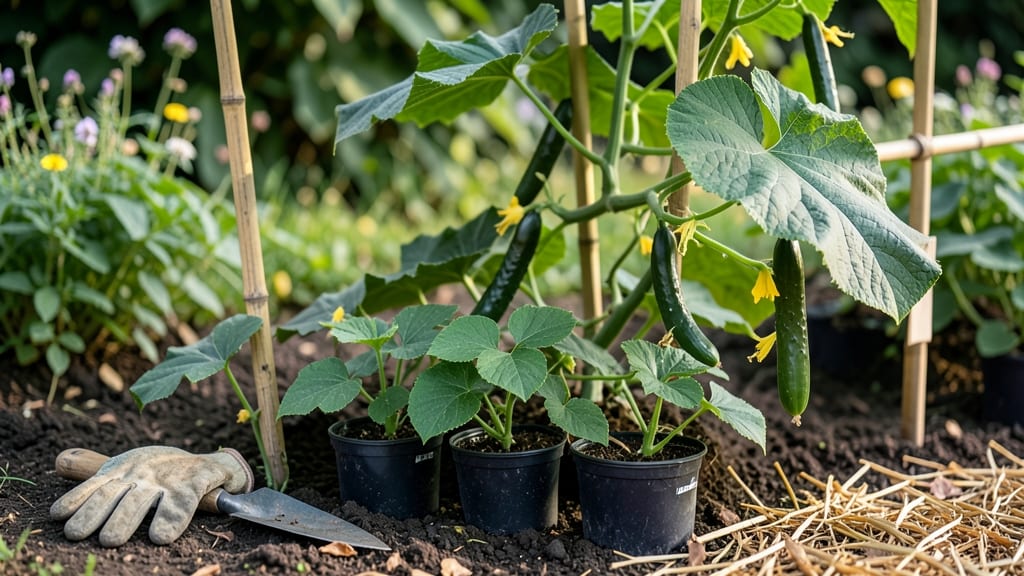
Timing is everything when it comes to growing cucumbers 🥒 in Maine—plant too soon, and frost will nip your seedlings in the bud, but wait too long, and you’ll miss the sweet spot for a bountiful harvest. The key lies in understanding Maine’s unique USDA Zones 5A/6A, where the last frost typically lingers around May 15 and the growing season stretches just 150 days.
If you’ve ever stared at your seed packets, wondering whether to brave the chilly soil or wait for warmer days, you’re not alone.
The answer depends on soil temperature, local microclimates, and even the variety you choose—some cucumbers thrive in Maine’s cooler springs, while others need the heat of summer to shine.
In this guide, I’ll walk you through the exact planting window (May 1–June 15), soil prep tricks to speed up warming, and how to stretch your harvest into September with row covers and cold frames. No more guesswork—just a foolproof plan for Maine gardeners.
Whether you’re a first-time gardener or a seasoned pro, these tips will help you beat Maine’s short season and enjoy crisp, homegrown cucumbers from July through the first frost. Let’s get those seeds in the ground at the perfect moment!
Maine’s cucumber planting timeline by USDA zone 5A/6A (with frost dates)
Maine’s USDA Zones 5A/6A offer a 150-day frost-free window, making timing critical for cucumbers. The last spring frost typically arrives around May 15, while the first fall frost hits near October 1. Planting too early risks frost damage, while late planting cuts harvests short.
Cucumbers thrive in warm soil (60°F+) and full sun (6+ hours daily). In Maine, this means starting seeds indoors 3-4 weeks before transplanting or buying transplants after May 15. Soil temperature is your best guide—wait until it consistently stays above 60°F.
Black plastic mulch can warm soil faster, extending your planting window by 1-2 weeks. For coastal Maine (Zone 6A), you may have a slightly longer window, but inland areas (Zone 5A) demand extra caution. Always check your local USDA frost calendar for precise dates.
Here’s your Maine cucumber planting timeline, broken down by zone and method:
| Stage | Zone 5A Action | Zone 6A Action | Soil Temp |
|---|---|---|---|
| Start Seeds Indoors | April 15–May 1 | April 1–April 15 | 60°F+ |
| Transplant Outdoors | May 20–June 1 | May 10–May 20 | 60°F+ |
| Direct Sow Outdoors | May 30–June 15 | May 20–June 1 | 65°F+ |
| Harvest Window | July 15–September 15 | July 1–September 30 | N/A |
| First Frost Risk | October 1 (Zone 5A) | October 10 (Zone 6A) | N/A |
For Zone 5A gardeners, prioritize early-maturing varieties like ‘Northern Pickling’ (50 days) or ‘Straight Eight’ (55 days). These varieties can outpace Maine’s short season and still deliver harvests before frost. In Zone 6A, you have more flexibility to try longer-season varieties like ‘Marketmore’ (65 days).
Always monitor weekly frost forecasts from the National Weather Service or Maine State Climate Office. A late frost in May can delay planting by weeks, while an early September frost may cut harvests short. Use row covers to protect plants if frost threatens after transplanting.
Pro tip: Succession planting works well for cucumbers in Maine. Sow a second batch of seeds in early July to extend harvests into early September. This staggered approach ensures a continuous supply of fresh cucumbers while maximizing your garden’s potential.
If you’re using container gardening, move pots to a sunniest spot and use heat-absorbing fabric pots to maintain soil warmth. Containers also allow you to bring plants indoors during unexpected cold snaps, though yields may suffer.
Remember, soil temperature matters more than air temperature. Use a soil thermometer to confirm readiness—cucumbers won’t thrive until the soil hits 60°F consistently. Patience here prevents wasted effort and ensures healthy plants.
🌱
How to extend Maine’s cucumber growing season (cold-frame tips & varieties)
Maine’s 150-day growing season can feel like a ticking clock for cucumbers 🥒, but with the right strategies, you can push harvests from July all the way to September.
The secret lies in cold-hardy varieties and protective structures like cold frames that shield tender plants from late frosts and early chills.
I’ve found that starting seeds 4-6 weeks before the last frost (around April 15) in a cold frame gives plants a head start. These early starts let you transplant hardened-off seedlings directly into the garden by May 15, shaving critical days off the growing timeline.
For varieties that thrive in Maine’s cooler springs, look for ‘Northern Pickling’ or ‘Straight Eight’—both tolerate temperatures down to 50°F and produce well in shorter seasons. These aren’t just tougher plants; they’re also more productive in Maine’s USDA Zone 5A/6A climate.
- ‘Northern Pickling’ – Tolerates 50°F, great for pickling
- ‘Straight Eight’ – Compact vines, early producer
- ‘Marketmore 76’ – Disease-resistant, reliable in cool weather
Cold frames are my go-to for extending the season. By placing a clear plastic or glass cold frame over seedlings, you can raise soil temperatures by 10-15°F, letting you start planting 2-3 weeks earlier than usual. Just remove the cover when daytime temps hit 70°F to prevent overheating.
Another trick? Use row covers (floating fabric tunnels) to protect plants from late spring frosts (which can hit as late as May 30 in Maine). These lightweight covers let sunlight through while shielding plants from 28°F temperatures.
I’ve seen gardeners in Zone 5A harvest cucumbers until October 1 using this method!
Don’t forget about succession planting—sow a second batch of seeds June 1-15 for a late-summer harvest. Choose shorter-day varieties like ‘Bush Champion’ to mature quickly before frost. With these techniques, you’ll turn Maine’s short season into a long, productive harvest window.