
Trees
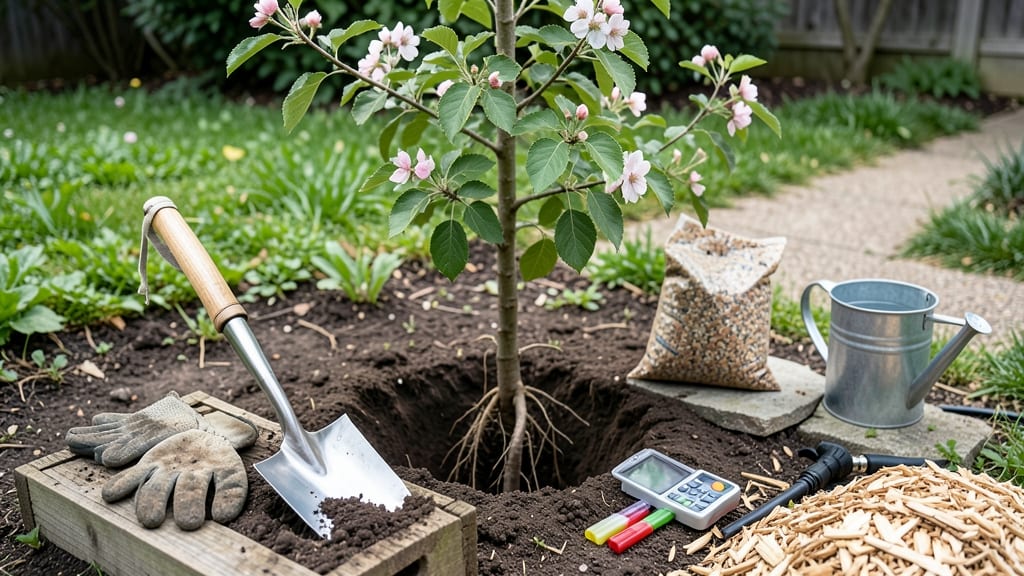
Timing your 🍎 apple tree planting in New Jersey isn’t just about picking a month—it’s about avoiding early frosts that can kill young roots before they establish.
With NJ’s USDA Zones 6a to 7b, you’ve got a narrow window to plant for success, whether you’re working with bare-root saplings or container-grown trees.
Most gardeners in NJ swear by two key planting seasons: early spring (March-April) and fall (October-November). But why? Spring gives roots time to grow before summer heat, while fall planting lets them settle before winter dormancy.
The difference between these windows can mean the difference between a thriving orchard and years of disappointment.
If you’re planting in spring, aim for March or early April—before buds swell but after the last frost (usually mid-April). For fall, October or November works best, giving roots time to establish before the ground freezes. Either way, soil prep and aftercare make all the difference.
Ready to plant? I’ll walk you through the exact steps—from soil prep to protecting your tree from NJ’s unpredictable weather—so you can enjoy homegrown apples in just a few years. Let’s get started.
Best planting months for apple trees in NJ (zone 6b-7a)
New Jersey’s USDA Zones 6b-7a offer two prime windows for planting apple trees: early spring (March-April) and late fall (October-November). These periods align with soil temperatures and dormancy cycles, giving roots time to establish before winter’s first freeze.
Coastal areas like Cape May may have 2-3 weeks later frost dates than inland regions like Sussex County, so adjust accordingly.
For bare-root trees, fall planting is ideal because cooler temperatures reduce transplant shock. Container-grown trees, however, can be planted in early spring when soil thaws but before buds break. The key is avoiding extreme heat or frost—both stress young roots and stunt growth.
Soil temperatures in NJ typically reach 45-55°F (7-13°C) in early spring and 50-60°F (10-15°C) in fall, perfect for root development. Use a soil thermometer to confirm—roots struggle to grow below 40°F (4°C) or above 85°F (29°C).
| Planting Window | Soil Temp | Root Growth | NJ Frost Risk |
|---|---|---|---|
| Early Spring (March-April) | 45-55°F (7-13°C) | Moderate (roots establish before bud break) | Low (post-last frost) |
| Late Fall (October-November) | 50-60°F (10-15°C) | Strong (cooler temps reduce shock) | High (before first frost) |
| Avoid: Summer (June-August) | Above 85°F (29°C) | Poor (roots dry out) | N/A (heat stress) |
Inland NJ (e.g., Morris or Hunterdon County) often sees first frosts in mid-November, while coastal areas like Atlantic City may delay until late November.
Use Rutgers Cooperative Extension’s frost date maps to pinpoint your local window. Planting 4-6 weeks before the average first frost ensures roots harden before winter.
Container-grown apple trees have a slight advantage—their roots stay moist longer, allowing late spring (May) planting if bare-root trees aren’t available. However, they cost 2-3x more and may require staking for stability in NJ’s windy conditions.
For dwarf varieties (like ‘Liberty’ or ‘Honeycrisp’), timing is even more critical—their smaller root systems need consistent moisture. Mulch with 3-4 inches of wood chips to retain soil moisture and regulate temperatures. Avoid plastic mulch, which can overheat roots in summer.
Pro tip: If planting in fall, water deeply once a week until the ground freezes. In spring, reduce watering as buds swell to prevent rot. Both strategies help young trees transition between seasons smoothly.
New Jersey’s microclimates mean your neighbor’s perfect planting time might not suit your yard. For example, Passaic County’s urban heat islands can delay frosts by 1-2 weeks compared to rural Warren County. Always check local weather trends for 3-5 years to refine your schedule.
Remember: The graft union (the swollen area where the scion meets the rootstock) should sit 2-4 inches above soil level. Burying it too deep causes girdling roots, while planting too high risks sunscald. Mark the union with a waterproof tag for future reference.
🌱
How to choose between fall vs. spring planting in NJ
Deciding whether to plant your apple tree in fall or spring depends on NJ’s unique climate patterns. Both seasons offer advantages, but each comes with trade-offs that can impact your tree’s root establishment and long-term health.
Let’s break down the pros and cons so you can make the best choice for your orchard’s success.
Fall planting (October-November) gives roots time to establish before winter dormancy. The cooler temperatures reduce transplant shock and allow roots to grow slowly without competing with top growth. However, planting too late risks exposing roots to frost heave or insufficient soil moisture before freeze.
In NJ’s Zone 6b-7a, aim to plant at least 4-6 weeks before the first hard frost (usually mid-November).
Spring planting (March-April) aligns with the tree’s natural growth cycle. Warmer soil temperatures encourage faster root development, and you avoid winter’s harsh conditions. But spring planting leaves roots vulnerable to drought stress if rainfall is delayed.
In NJ, wait until soil temperatures reach 45°F (7°C)—typically by mid-April—to minimize transplant shock.
- ✔ Roots establish before winter dormancy
- ✔ Lower risk of drought stress
- ✔ Cooler temps reduce transplant shock
- ✖ Limited planting window (late Oct-Nov)
- ✖ Risk of frost heave if planted too late
- ✖ Soil may be too cold for root growth
- ✔ Warmer soil speeds root growth
- ✔ Wider planting window (March-April)
- ✔ Aligns with tree’s natural growth cycle
- ✖ Higher risk of drought stress
- ✖ Transplant shock if planted too early
- ✖ Pest pressure (e.g., deer, rabbits) may be higher
For bare-root apple trees, fall planting is often preferred in NJ because roots can establish in moist soil before winter. However, if you’re planting container-grown trees, spring offers more flexibility since they’re less sensitive to late-season planting.
Always check the graft union height—it should sit 2-4 inches above soil level to prevent rot or frost damage.
Pro tip: If you choose fall planting, mulch heavily (4-6 inches of organic mulch) to insulate roots and retain moisture. For spring plantings, prioritize deep watering every 7-10 days until roots are established.
Both methods work, but NJ’s microclimates (coastal vs. inland) may require adjustments—consult Rutgers Cooperative Extension for localized advice.
Ultimately, the best time to plant depends on your tree type, site conditions, and willingness to monitor soil moisture.
Whether you plant in fall or spring, patience is key—your apple tree’s long-term success hinges on giving roots time to anchor before the first big stress (winter or summer heat). 🍏🌱