
Plants
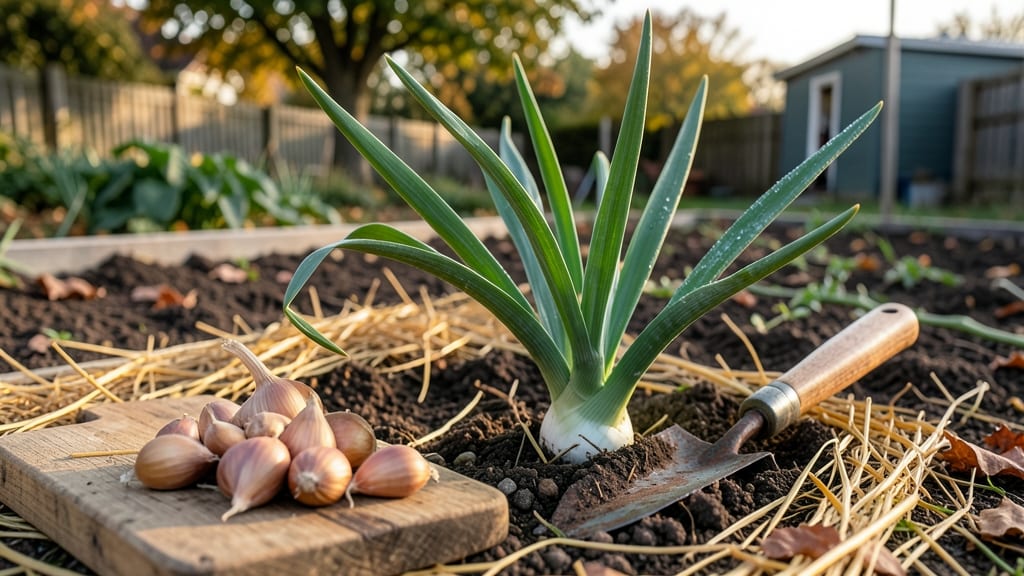
Planting garlic in New Jersey at the wrong time can mean the difference between a bountiful harvest and wasted effort. The key to success lies in timing—specifically, getting those cloves in the ground between October and early November when the soil is cool but still workable.
For gardeners in USDA zones 6a-7b, this window ensures your 🧄 develops strong roots before winter dormancy. Hardneck varieties, prized for their flavor and braiding potential, thrive with this schedule, while softneck types also benefit from fall planting.
But don’t wait too late—once the ground freezes, your garlic won’t establish properly.
I’ll break down exactly when to plant, how to prep your soil for New Jersey’s climate, and why fall planting is non-negotiable for avoiding bolting or poor bulb formation.
Whether you’re a seasoned gardener or just starting, these tips will help you grow garlic that’s ready to harvest by next summer.
Ready to turn your garden into a garlic powerhouse? Let’s dive into the perfect planting calendar and climate adjustments that work for NJ’s unique growing conditions.
New Jersey garlic planting calendar: hardneck vs softneck timing differences
New Jersey gardeners have a 6-week window to plant garlic for optimal results, but the choice between hardneck and softneck varieties changes your timing slightly.
Hardnecks, like 'Music' or 'German White', need cold vernalization to form bulbs, while softnecks, like 'Silverskin', are more flexible but still thrive with early planting.
The USDA zones 6a-7b in New Jersey mean your last frost typically hits mid-November, so aim to plant 4-6 weeks before ground freezes. For most of NJ, that’s late October to early November.
Coastal areas like Cape May may need to plant earlier (late September) due to milder winters.
Order your garlic cloves by September 1—they won’t sprout until planted, but you need them to arrive fresh. Store them in a cool, dark place (like your fridge’s crisper drawer) until planting day. Avoid planting store-bought garlic; it’s often treated to prevent sprouting.
Hardneck varieties are best planted by October 15 in northern NJ (zones 6a-6b) to ensure they get enough cold. Southern NJ (zone 7b) can stretch this to November 1. Softnecks are more forgiving and can handle planting up to November 10, but yields may suffer if planted later.
Prep your soil 2-3 weeks before planting by amending it with compost and a balanced fertilizer (10-10-10). Garlic prefers well-draining soil with a pH of 6.0-7.0. Test your soil in September—if it’s too acidic, add lime; if too alkaline, use sulfur.
Raised beds work well in NJ’s humid climate to prevent rot.
After planting, apply 2-3 inches of mulch (straw or leaves) to insulate cloves from freeze-thaw cycles. This protects them from heaving out of the soil. In northern NJ, add extra mulch if winters are harsh. Remove mulch in early spring to let soil warm for growth.
Spring planting is possible in NJ but not recommended. If you miss the fall window, plant in March—just expect smaller bulbs. Hardnecks won’t form scapes (the prized braiding stems) if planted in spring, and softnecks may bolt (flower prematurely) due to heat stress.
Mark your calendar for late June to early July—that’s when your garlic will be ready to harvest. Look for brown lower leaves and firm bulbs.
Cure them in a shady, dry place for 2-3 weeks before storing. Hardnecks store for 6-8 months; softnecks last up to a year.
Pro tip: Save your best bulbs for next year’s planting. Break them apart in late summer, let the cloves dry, and store them in a cool, dark place until fall. This ensures you’re planting heirloom-quality garlic adapted to NJ’s climate.
How to adjust planting for New Jersey’s microclimates and frost risks
New Jersey’s diverse climate—from coastal breezes in Cape May to colder inland areas in Sussex County—means your garlic planting timing should adapt to your specific location. Coastal regions like Atlantic City experience milder winters, while northern zones like Morris County face earlier frosts.
Adjust your schedule by 2-4 weeks depending on your microclimate to avoid premature bolting or frost damage.
For coastal areas, plant garlic in late October to early November, as soil stays warmer longer. Inland or northern zones should aim for mid-October, giving plants time to establish roots before first hard frost (typically mid-November).
Urban gardeners with limited space can use container planting but must monitor soil temperature closely—it cools faster in pots.
🌱
Protect your garlic from unpredictable late frosts (which can happen as late as December in some years) by applying a thick layer of straw or leaves after planting. This insulates the soil and prevents freeze-thaw cycles, which can heave cloves out of the ground.
In years with early snow cover, garlic thrives—just ensure snow melts gradually to avoid waterlogging.
If you’re in a warmer microclimate (like southern Jersey), you can* try a spring planting (March), but yields will be 50% smaller than fall-planted garlic. Spring garlic is best for green garlic harvests (young shoots) rather than mature bulbs.
Always test your soil’s drainage—New Jersey’s clay-heavy soils can suffocate garlic roots if waterlogged.
For gardeners in USDA Zone 6a (northern NJ), consider row covers or cold frames to extend the growing season if you miss the ideal October window. Even a 2-week delay can reduce bulb size, so prioritize timing over perfection.
Remember: hardneck varieties (like ‘Music’ or ‘German White’) need cold vernalization to form bulbs, while softnecks (like ‘Silverskin’) are more forgiving but still benefit from early planting.
🌿